Undergoing a medical procedure for the first time can be a nerve-wracking experience, especially when you don’t know what to expect. Many patients in Singapore feel anxious about endoscopy, a standard procedure used to examine the body’s internal structures.
Understanding what endoscopy entails, from preparation to post-procedure care, can help alleviate these concerns and ensure you feel more confident and prepared.
What Is An Endoscopy Specialist?
Endoscopies are performed by an endoscopist or endoscopy specialist in Singapore, a medical professional trained in gastroenterology, surgery, or other relevant fields. They use specialised instruments, such as an endoscope—a flexible tube with a light and camera attached—to view and operate on internal organs such as the lungs and stomach.
Endoscopy specialists in Singapore diagnose, monitor, and sometimes treat conditions such as gastrointestinal bleeding, lung infections and gastric cancer. Patients undergoing endoscopy often find additional insights through gastroscopy screening in Singapore, which offers a more focused examination of the upper digestive tract.
Preparing For Your Appointment
Before The Appointment
Preparation for an endoscopy begins days before the actual procedure. Your endoscopy specialist will provide instructions based on the type of endoscopy you’re having.
To prepare for an endoscopy, inform your specialist about your medical history, including any allergies and all medications or supplements you take. Certain medications may need to be adjusted or temporarily discontinued.
You may need to follow a special diet a few days before the procedure, typically avoiding solid foods and sticking to clear liquids 24 hours before the endoscopy. You’ll need to cleanse your bowel for some types of endoscopy, especially colonoscopy. Clearing the bowel may involve taking a prescribed laxative solution to clear the intestines.
On The Day Of The Appointment
On the day of your endoscopy, ensure you follow all instructions meticulously. Most endoscopic procedures require fasting, so refrain from eating or drinking for at least 6 hours before the procedure.
Arrange for someone to drive you to and from the appointment, as sedatives or anaesthesia will be administered, impairing your ability to drive. Wear loose-fitting clothing to the appointment, as you may need to change into a hospital gown for the procedure.
The Endoscopy Procedure
What Happens During An Endoscopy
When you arrive for your endoscopy in Singapore, you’ll be greeted by the medical team and given an overview of the procedure. Here’s what typically happens:
Preparation: You’ll change into a gown and be connected to devices that monitor your vital signs.
Sedation: You’ll receive a sedative or anaesthesia to help you relax or sleep during the procedure.
Insertion of the endoscope: The endoscope is gently inserted into your body through a natural opening, such as your mouth or rectum, depending on the type of endoscopy.
Examination: The specialist uses the endoscope’s camera to examine the internal structures. Small instruments can be pushed through the endoscope to take tissue samples or perform minor treatments if necessary.
Duration: The procedure usually takes 15 minutes to an hour, depending on its complexity.
Safety And Hygiene
Safety and hygiene are paramount in endoscopic procedures. The endoscope and all instruments are thoroughly sterilised to prevent infections. Doctors follow strict protocols to ensure a sterile environment and minimise any risk of complications.
Post-Procedure Care
Immediately After The Procedure
After the endoscopy, you’ll be taken to a recovery area, where the staff will observe you until the sedation wears off. Here’s what to expect:
Observation: You’ll be observed for adverse reactions to the sedative or the procedure.
Rest: It’s normal to feel groggy or sleepy. Rest until you feel alert enough to go home.
Instructions: You’ll receive post-procedure care instructions, including dietary guidelines and activity restrictions.
Follow-Up
Follow-up care is essential to ensure proper recovery and address any findings from the endoscopy. Your endoscopy specialist in Singapore will discuss the results with you, often on the same day, if no biopsies were taken. If tissue samples were collected, it may take a few days to get the results.
Contact your specialist if you experience severe pain, fever, vomiting, or any unusual symptoms after the procedure. Your endoscopy specialist may recommend additional tests, treatments, or lifestyle changes depending on the results. Patients interested in a complete digestive health check should consider both endoscopy and colonoscopy screening in Singapore, as these procedures collectively enhance the detection of early-stage gastrointestinal conditions.
Endoscopy Specialist In Singapore
Advanced Colorectal & General Surgery’s endoscopy specialists are trained and experienced in various endoscopic procedures in Singapore. If you’re considering a gastrointestinal check-up, you might want to understand the different endoscopic procedures to determine the most suitable option. We prioritise patient comfort and safety, ensuring each procedure is conducted with the utmost care.
Our team is dedicated to providing comprehensive pre- and post-procedure support, guiding you through every step to ensure a smooth and stress-free experience.
If you experience excruciating pain during or after bowel movements, you might be suffering from an anal fissure. This condition can impact your daily life, making each trip to the bathroom uncomfortable.
Understanding how patients are managing anal fissures in Singapore can provide better clarity on available treatment pathways.
Fortunately, anal fissures can be treatedIn this article, we discuss both surgical and non-surgical treatments for anal fissures, helping you make informed decisions about your well-being.
What Are Anal Fissures
Anal fissures are small tears in the anus lining that make bowel movements uncomfortable and painful. The pain may also be accompanied by itching, bleeding, and a visible tear in the skin around the anus. These fissures can affect anyone but are particularly common in adults aged 15 to 40.
Constipation: Hard, dry stools can cause tears as they pass through the anal canal.
Diarrhoea: Frequent loose or watery stools can irritate and tear the anal lining.
Childbirth: Women may develop fissures due to the strain of delivery.
Anal Intercourse: This can cause trauma to the anal lining.
Underlying Conditions: Conditions like Crohn’s disease can cause chronic inflammation of the intestines, leading to fissures.
Non-Surgical Treatment Options
Most anal fissures can be managed with non-surgical treatments, especially if addressed early. Early-stage anal fissure treatment in Singapore often focuses on conservative approaches to promote healing.
Here are some effective non-surgical options.
Dietary Changes
Changing your diet is one of the simplest ways to treat and prevent anal fissures. Key dietary changes you can implement include:
High-Fibre Foods: Incorporate fruits, vegetables, whole grains, and legumes for softer stools and make them easier to pass.
Hydration: Drinking plenty of water helps keep stools soft.
Avoiding Irritants: Limit intake of spicy foods, caffeine, and alcohol, which can irritate the digestive tract.
Medications
You can manage symptoms and promote healing of anal fissures with medication. These include:
Stool Softeners: Over-the-counter stool softeners can ease bowel movements.
Topical Anaesthetics: Creams or ointments containing lidocaine can reduce pain.
Nitrate Ointments: These help relax the anal sphincter and enhance blood circulation to the area, promoting healing.
Calcium Channel Blockers: Applied topically, these medications relax the anal sphincter muscles.
Sitz Baths
A sitz bath means sitting in warm water for 10-20 minutes several times daily, particularly after bowel movements. The warmth can soothe pain and itching, while increased blood flow to the area aids in healing. Regular sitz baths will also help maintain hygiene and prevent infection.
Lifestyle Modification
Changing your lifestyle can also support the healing process and prevent recurrence. Consider the following:
Regular Exercise: Being physically active can help prevent constipation and promote digestive health.
Proper Bowel Habits: Avoid straining during bowel movements, and go to the bathroom when you feel the urge.
Good Hygiene: Gently clean the anal area with water, and pat dry after bowel movements.
Surgical Treatment Options
If non-surgical treatments fail to heal the anal fissure or if it becomes chronic, your doctor may recommend surgery. Understanding the preparatory steps for anal fissure surgery in Singapore is crucial for a successful outcome.
Lateral internal sphincterotomy is the most common surgical procedure for treating anal fissures. This surgery has a high success rate, relieving pain and promoting healing. A small cut is made in the internal anal sphincter muscle. The cut helps reduce the muscle tension, allowing the fissure to heal.
Non Surgical Alternatives
Botox Injections: Botulinum toxin can be injected into the anal sphincter to paralyse the muscle, reducing spasms and pain temporarily.
Post-Surgery And Recovery
After surgery, proper care and adherence to recovery guidelines are essential:
Pain Management: Pain is usually minimal after surgery but can be managed with prescribed medications.
Wound Care: Clean the surgical site and keep it dry, and follow your surgeon’s instructions for wound care.
Diet: Continue a high-fibre diet and stay hydrated to prevent constipation.
Activity: Avoid straining yourself for a few weeks, but do light exercise as your doctor recommends.
Follow-up: Attend all follow-up appointments to ensure proper healing.
Choosing the right treatment for anal fissures depends on the severity of the fissure, your overall health, and your response to initial treatments. If you’re trying to understand your symptoms, our explanation on anal fissures vs fistulas and their causes might help clarify your doubts.
It is best to speak to your healthcare provider about your symptoms and treatment options so you can discuss which treatment option is suitable for you. It’s essential to understand the recovery timeline if you opt for anal fissure surgery in Singapore. If distinguishing between an anal fissure and haemorrhoid seems challenging, our blog provides a clear explanation of the four main differences.
Consult A Colorectal Specialist For Anal Fissure Treatment And Surgery In Singapore
For personalised care and expert advice on treating anal fissures, consult the specialists at Advanced Colorectal & General Surgery. Our team of experienced colorectal surgeons in Singapore provides complete care, from diagnosis to treatment and recovery. We offer non-surgical and surgical options tailored to your needs, ensuring the best possible outcomes.
Colon cancer, a malignancy of the large intestine, is a significant health concern in Singapore. Given its increasing prevalence and the complexities involved in its treatment, it’s crucial to understand the disease, its progression stages, and the various treatment options available.
In Singapore, continuous improvements in colon cancer treatment protocols reflect the country’s commitment to medical excellence and patient care. This article provides an in-depth look at colon cancer, focusing on the stages of the disease, factors influencing treatment decisions and the support necessary for patients.
What Is Colon Cancer?
Colon cancer originates in the large intestine (colon), which is the final part of the digestive tract. It typically starts as small, noncancerous clumps of cells called polyps that form on the inside of the colon. Over time, some of these polyps can become colon cancers. Emphasising early detection, Singapore colorectal cancer screening programs are designed to identify precancerous conditions before they develop into full-blown cancer.
While the exact cause of colon cancer is not entirely understood, several risk factors have been identified, including age, a family history of the disease, certain genetic mutations, a diet high in red and processed meats, and lifestyle factors such as smoking and physical inactivity. With ongoing research and clinical trials, colorectal cancer treatment in Singapore continues to evolve, offering new hopes for better outcomes.
The Stages Of Colon Cancer
Colon cancer is classified into stages based on the extent of its spread. Understanding these stages is critical for determining the appropriate treatment strategy. Recognizing the signs can be crucial for catching potential issues early, enabling timely medical intervention and increasing the chances of a favourable outcome.
Stage 0, also known as carcinoma in situ, is the earliest form of colon cancer. At this stage, the cancerous cells are confined to the innermost layer of the colon’s lining and have not invaded deeper tissues or spread to other parts of the body. This stage is typically highly treatable, often through surgery to remove the localised area of abnormal cells.
Stage 1 – Early Stage Colon Cancer
In Stage 1, cancer has spread beyond the inner lining of the colon to the second and third layers of the colon wall, but it has not yet spread to the lymph nodes or distant sites. Treatment at this stage usually involves surgical resection of the affected section of the colon, often followed by a comprehensive monitoring plan to ensure that the cancer does not return.
Stage 2 – High-Risk Early Stage
Stage 2 colon cancer is more advanced, as the cancer has penetrated through the colon wall and may have reached nearby tissues but has not spread to the lymph nodes. It is further divided into sub-stages:
Stage IIA: Cancer has spread through the muscle layer to the outermost layers of the colon or rectum.
Stage IIB: Cancer has grown through the outermost layer but hasn’t reached nearby organs.
Stage IIC: Cancer has grown through the outermost layer and into nearby structures.
Treatment for Stage 2 typically involves surgery to remove the tumour, possibly followed by chemotherapy, especially if there are high-risk features such as poorly differentiated cells or lymphovascular invasion.
Stage 3 – Regional Spread
At Stage 3, cancer has spread to nearby lymph nodes but not to other parts of the body. This stage is divided into three subcategories based on the number of affected lymph nodes and the extent of tumour invasion:
Stage IIIA: Cancer has spread to up to three nearby lymph nodes and has penetrated the muscle layer.
Stage IIIB: Cancer has spread to up to four to six nearby lymph nodes or into surrounding tissues.
Stage IIIC: Cancer has spread to seven or more nearby lymph nodes but not to distant organs.
Treatment usually involves a combination of surgery, chemotherapy, and sometimes radiation therapy to address the cancer’s spread to lymph nodes.
Stage 4 – Metastatic Colon Cancer
Stage 4, or metastatic colon cancer, is the most advanced stage. Cancer has spread to distant organs such as the liver, lungs, or distant lymph nodes. This stage is further classified based on the extent and number of distant metastases:
Stage IVA: Cancer has spread to one distant organ.
Stage IVB: Cancer has spread to more than one distant organ or area.
Stage IVC: Cancer has spread to the peritoneum (the lining of the abdominal cavity).
Treatment for Stage 4 focuses on controlling the cancer and relieving symptoms. This may include a combination of surgery, chemotherapy, targeted therapy, and immunotherapy to extend life and improve quality of life.
Colorectal cancer screening in Singapore is regarded as a key preventive measure that is highly encouraged among adults over the age of 50.
Factors Influencing Treatment Decisions
While we have covered various treatments above based on the stages of cancer, there are other factors in play, too:
Patient’s overall health: Comorbidities and overall fitness can affect the choice of treatment.
Genetic mutations: Specific genetic profiles, such as those involving KRAS, NRAS, and BRAF mutations, can influence treatment options, particularly concerning targeted therapies.
Patient preferences: The patient’s quality of life, personal preferences, and treatment goals are essential in shaping the treatment plan.
Treatments
The treatment for colon cancer, as seen above, includes a variety of options. They may also be used in combination depending on the stage and characteristics of the cancer. Here are more details for each treatment:
Surgery: The primary treatment for early-stage colon cancer, involves the removal of the tumour and surrounding healthy tissue. Types of surgery include polypectomy, colectomy, and proctectomy. For patients exploring surgical options, cost considerations for colorectal surgery in Singapore may also be part of the decision-making process.
Chemotherapy: Uses drugs to destroy cancer cells or stop them from growing. It is commonly used post-surgery in stages 2 and 3 and as a primary treatment for advanced stages.
Radiation therapy: Employs high-energy radiation to kill cancer cells or shrink tumours. Though it is used for colon cancer, it is more commonly used for rectal cancer.
Targeted therapy: Uses drugs or other substances to target specific molecules involved in cancer growth and spread. Commonly used drugs include cetuximab and bevacizumab.
Immunotherapy: Boosts the body’s natural defences to fight cancer. It is an option for certain advanced cancers that have specific genetic mutations or markers.
Palliative care: Focuses on relieving symptoms and improving the quality of life for patients with advanced cancer.
Supporting Patients Through Treatment
Supporting colon cancer patients involves a multidisciplinary approach that includes medical treatment, emotional support, and practical assistance.
Multidisciplinary care teams: These teams consist of oncologists, surgeons, radiologists, nurses, and social workers who collaborate to provide comprehensive care.
Patient education: Providing patients with detailed information about their diagnosis, treatment options, and side effects to empower them to make informed decisions.
Psychosocial support: Offering counselling services and support groups to help patients and their families cope with the emotional impact of cancer.
Financial assistance: Helping patients navigate financial resources and insurance options to ease the burden of treatment costs.
Rehabilitation services: Providing physical therapy and nutritional counselling to help patients recover and maintain their health during and after treatment.
Colon Cancer Treatment In Singapore
Colon cancer can be daunting, but with expert care, it’s manageable and treatable. At Advanced Colorectal and General Surgery, we specialise in the comprehensive screening and treatment of colorectal cancer in Singapore. We are committed to providing personalised and compassionate support every step of the way.
Ongoing public education efforts emphasise the importance of regular colon cancer screening in Singapore as a critical step towards maintaining long-term health. The colorectal cancer treatment services in Singapore are not only advanced but also emphasise compassionate care, recognizing the emotional and physical challenges faced by patients.If you or a loved one is facing a colon cancer diagnosis or you want to learn more about our services, don’t wait. Contact us today to schedule a consultation.
Proctologists and colorectal surgeons are specialists a general doctor may recommend to patients experiencing symptoms or issues related to the lower digestive tract. This could be in the form of persistent rectal pain, bleeding, and irregular bowel movements.
What’s the difference between these two professions? None. They can be used interchangeably, although colorectal surgeons are preferred by doctors today who specialise in colon and rectum.
This article discusses these roles, detailing the evolution from proctologist to colorectal surgeon and explaining the conditions these specialists treat.
What Is A Proctologist?
The term proctologist originates from a time when the medical community began recognising the need for a speciality focused on diseases of the colon, rectum, and anus.
Back in 1835, the field of proctology was emerging in response to a gap in medical care. Many doctors were reluctant to treat these conditions, leading patients to seek help from less reputable sources, often resulting in mistreatment.
To address this, a group of doctors established the speciality of proctology, aiming to provide professional and effective care for these intimate and complex conditions.
Historically, a proctologist was a doctor who specialised in the rectum, anus, and sigmoid colon. Their focus was narrow, primarily dealing with diseases confined to the lower portion of the digestive system.
The term “proctologist” emphasises a specialist’s expertise in diagnosing and treating disorders in the proctology area, using both medical and surgical methods.
When Did The Title Colorectal Surgeon Begin?
The transition from the term proctologist to colorectal surgeon was motivated by the need for clarity and precision in the scope of this medical speciality.
The term “proctologist” comes from the Greek word “proktos,” meaning anus, which inaccurately suggested that these specialists focused solely on the anal region. This narrow interpretation did not reflect the wide range of conditions treated by these doctors, including diseases of the colon, rectum, anus, and pelvic floor.
To better represent the comprehensive nature of their work, the designation evolved to “colon and rectal surgeon”, or colorectal surgeon in short, a term encompassing the full breadth of their expertise.
Colorectal surgeons in Singapore are professionals who have completed extensive education and training in both general surgery and specialised colorectal surgery.
They handle a wide variety of conditions, from benign diseases like haemorrhoids to more serious conditions such as colorectal cancer, using both surgical and non-surgical treatments.
Colorectal Surgeon Training And Qualifications
Becoming a colorectal surgeon in Singapore involves rigorous training and education. Initially, one must earn a medical degree over 5 to 6 years, followed by postgraduate medical training in various disciplines to secure general medical registration with the Singapore Medical Council.
Aspiring colorectal surgeons then undertake specialist general surgery training for around 5-6 years, gaining certification from professional bodies. Subsequently, they undergo advanced surgical training in colorectal surgery under expert supervision, including local and international opportunities.
To practise, they must pass exams and fulfil the Specialist Accreditation Board’s requirements, being registered as specialists in general surgery with a subspecialty in colorectal surgery.
Continuous professional development through Continuing Medical Education is essential to stay abreast of advancements. Singapore’s strict standards ensure its colorectal surgeons are highly qualified, often holding affiliations with prominent medical associations to enhance their expertise further.
Conditions Proctologists Or Colorectal Surgeons Treat And Manage
Colorectal surgeons are equipped with the expertise to diagnose, manage, and treat these conditions through a combination of medical treatments and surgical procedures. Their specialised training allows them to help patients suffering from these often complex and sensitive health issues.
Haemorrhoids: Enlarged veins in the rectal region, leading to discomfort, itchiness, and bleeding.
Anal Fissures: Minor lacerations in the anal skin, causing pain and bleeding with bowel movements.
Anal Fistulas: Unusual pathways connecting the anal canal to the skin surrounding the anus, typically arising from infection.
Anal Abscesses: Infections filled with pus located near the anus or rectum.
Diverticulitis: Swelling or infection of tiny sacs (diverticula) in the colon walls.
Colorectal Cancer: Tumours found within the colon or rectum, necessitating specialised surgical procedures.
Crohn’s Disease: A variant of inflammatory bowel disease impacting any segment of the gastrointestinal tract, including the colon.
Ulcerative Colitis: A chronic inflammatory bowel disease resulting in prolonged inflammation and ulcers within the colon and rectum.
Pilonidal Disease: Persistent skin infection situated in the buttocks’ crease adjacent to the tailbone.
Rectal Prolapse: The descent of the rectum, protruding through the anus.
Faecal Incontinence: The inability to retain bowel contents leads to unintended stool leakage.
Constipation: Persistent difficulty in stool passage, often needing clinical management.
Rectocele: Protrusion of the rectum’s front wall into the vagina’s back wall.
Colon Polyps: Lesions on the colon’s inner surface, potentially pre-cancerous.
Pelvic Floor Dysfunction: Disorders affecting the pelvic floor muscles’ coordination and relaxation, necessary for bowel movements.
Pruritus Ani: Persistent anal itching.
Lynch Syndrome and Other Genetic Colon Cancer Syndromes: Genetic disorders elevate the risk for colon cancer and additional cancers.
Medical Procedures Colorectal Surgeons Perform
Colorectal surgeons perform a wide array of procedures to diagnose, manage, and treat various diseases, ranging from benign to life-threatening. People don’t know that they also do diagnostic evaluations or screenings apart from surgeries.
Colonoscopy
This is the most comprehensive screening tool for colorectal cancer. It is necessary to visually examine the entire colon and rectum. This allows the surgeon to check for any abnormal growths or polyps.
Colonoscopy is recommended as a routine screening tool starting at age 50, but earlier or more frequent screenings may be advised for those with a higher risk.
Flexible Sigmoidoscopy
The procedure also involves using a flexible tube to check the rectum and the lower part of the colon. While less invasive than a full colonoscopy, it does not allow the entire colon to be examined, so its use as a screening tool may be limited to specific circumstances.
CT Colonography (Virtual Colonoscopy)
This imaging procedure uses CT scans to create detailed images of the colon and rectum. It is recommended as a less invasive alternative to traditional colonoscopy for patients who are medically unable to undergo the latter.
Minimally Invasive Surgery
Minimally invasive surgery, including laparoscopic and robotic-assisted techniques, represents a significant advancement in colorectal surgery. These approaches involve making several small incisions through which specialised instruments and a camera are inserted to perform the surgery.
The benefits of minimally invasive surgery are manifold: reduced pain and scarring, shorter hospital stays, and faster recovery times compared to traditional open surgery.
Laparoscopic surgery is widely used for a variety of colorectal conditions, including the removal of cancerous growths, the repair of hernias, and the treatment of diverticulitis.
Major Resection Surgery
For advanced cases of colorectal cancer and other severe conditions, major resection surgery may be necessary. This surgery is done to remove the affected portion of the colon or rectum and possibly nearby lymph nodes.
Resection procedures are critical in the management of colorectal cancer, ensuring the complete excision of cancerous tissues while striving to preserve as much of the healthy bowel as possible.
Techniques vary depending on the location and extent of the disease, including total colectomy, partial colectomy, and low anterior resection.
Anorectal Surgery
Anorectal surgery addresses conditions affecting the anal region and lower rectum, such as haemorrhoids, anal fissures, and fistulas. These are common problems that can cause significant discomfort and impact the quality of life.
Hemorrhoidectomy, for instance, involves the removal of haemorrhoids, offering relief from bleeding, irritation, and swelling. Surgery for anal fissures typically aims to relax the anal sphincter muscle, reducing pain and facilitating healing.
For anal fistulas, various procedures can be performed to close the fistula tract and prevent recurrent infections. Anorectal surgery often benefits from minimally invasive techniques, reducing recovery time and improving patient comfort.
Conclusion About Proctologist Vs Colorectal Surgeon
Seek a colorectal surgeon when experiencing symptoms related to the colon, rectum, or anus or for routine screenings to prevent colorectal cancer.
Consider scheduling a visit to Advanced Colorectal and General Surgery. We offer same-day colonoscopy, allowing you to get a consultation and get fast results. Our resident colorectal specialist, Dr Leong Quor Meng, provides an honest diagnosis and compassionate care.
Frequently Asked Questions About Proctologist Vs Colorectal Surgeon
What Can I Expect During My First Visit To A Colorectal Surgeon?
During your first visit, the colorectal surgeon will review your medical history, perform a physical examination, and discuss your symptoms. Diagnostic tests, such as blood tests, colonoscopy, or imaging studies, may be recommended to understand your symptoms’ cause and create a suitable treatment plan.
Is Colorectal Surgery Safe?
Colorectal surgery is generally safe when performed by an experienced and qualified surgeon. As with any surgical procedure, there are risks involved, but advancements in surgical techniques, including minimally invasive surgery, have significantly reduced these risks and improved recovery times.
How Long Is The Recovery After Colorectal Surgery?
Recovery time varies depending on the type of surgery performed, the individual’s overall health, and the presence of any complications. Minimally invasive surgeries tend to have shorter recovery times, often allowing patients to return to normal activities within a few weeks. Your surgeon will provide specific guidance based on your situation.
How Do I Prepare For A Colonoscopy Or Other Diagnostic Procedures?
Preparation for a colonoscopy typically involves following a special diet the day before the procedure and taking a laxative to empty the colon. Your colorectal surgeon will provide detailed instructions on how to prepare, including dietary restrictions and any necessary medication adjustments.
Rectal pain and pressure can be uncomfortable and sometimes alarming symptoms. These sensations can stem from a variety of causes, ranging from mild and manageable conditions to more severe health issues.
This article explores the potential causes, their symptoms, and available treatments. It also tackles the diagnostic procedures to determine the exact cause of rectal pressure and pain and for effective pain relief.
1. Haemorrhoids
Haemorrhoids can cause discomfort, itching, pain, bleeding, and pain when sitting and during bowel movements. Haemorrhoids are swollen veins that may be located internally (inside the rectum) or externally (under the skin around the anus). External haemorrhoids might produce more pain and swelling in the area of the anus.
Haemorrhoids Treatments
Treatment for haemorrhoids often includes over-the-counter creams or suppositories, warm baths, and keeping the anal area clean. Dietary changes, like increasing fibre intake, can help prevent constipation and straining, which can exacerbate haemorrhoids.
In severe cases, procedures like rubber band ligation, sclerotherapy, or surgery may be recommended.
2. Anal Fissures
An anal fissure is a small tear in the thin, moist tissue lining the anus. Fissures can cause pain, especially during bowel movements, and bleeding. The pain is often described as sharp and severe. People may also experience spasms in the ring of muscle at the end of the anus (anal sphincter).
Anal Fissure Treatments
Most anal fissures heal with home treatments, such as warm baths, increased fibre intake, and over-the-counter pain relievers.
Applying topical anaesthetics to numb the area can help relieve pain during bowel movements. In cases where fissures do not heal with home treatment, prescription creams or surgery may be required.
3. Proctitis
Proctitis is inflammation of the lining of the rectum. It can cause symptoms such as a frequent or continuous feeling of needing to have a bowel movement, rectal bleeding, mucus in the stool, rectal pain, and pain on the left side of the abdomen.
People with proctitis might also experience a sensation of fullness in the rectum.
Proctitis Treatments
Treatment of proctitis depends on the cause. If an infection causes it, antibiotics or antiviral medications may be prescribed. For inflammatory causes, such as inflammatory bowel disease, medications to reduce inflammation might be used. Dietary changes and symptom management, like sitz baths, can also help.

4. Constipation
Constipation or difficulty passing hard or lumpy stools can cause rectal pain. Due to the straining during bowel movements, a sensation of incomplete evacuation, and discomfort or pain in the abdomen and rectum.
Constipation Treatments
Treatment often includes lifestyle changes like increasing fibre intake, drinking more fluids, and regular exercise. You can take over-the-counter laxatives for short-term relief. For chronic constipation, a healthcare provider might recommend prescription medications or, in rare cases, surgery.
5. Abscesses
An anal or rectal abscess, which is a painful collection of pus, may cause severe pain, swelling, redness, and tenderness in the area around the anus or rectum. Other symptoms can include fever, fatigue, and a noticeable lump or mass at the anal opening. The pain usually intensifies during bowel movements.
Abscess Treatments
Treatment usually involves surgical drainage of the abscess, which is often done under local anaesthesia. Antibiotics may be prescribed if an infection is present. Pain management and keeping the area clean are important aspects of post-procedure care.
Among the other common symptoms of these Inflammatory Bowel Diseases include diarrhoea, abdominal pain, blood in the stool, weight loss, and fatigue. The severity of symptoms can vary and often fluctuates with periods of remission and flare-ups.
IBD Treatments
The goal of the treatment for IBD is to reduce inflammation and suppress the immune system. Doctors may recommend corticosteroids, immunomodulators, and biologics.
Dietary changes and nutritional support may also be necessary. In severe cases, surgery to remove a damaged portion of the digestive tract might be required.
7. Rectal Prolapse
Rectal prolapse involves the rectum stretching and protruding from the anus. It can cause symptoms like a feeling of a bulge or lump in the anus, discomfort or pain during bowel movements, mucus or blood discharge from the protruding tissue, and incontinence (difficulty controlling bowel movements).
Rectal Prolapse Treatments
The treatment for rectal prolapse may include lifestyle changes, pelvic floor exercises, or stool softeners to reduce straining. In more severe cases, surgery may be necessary to repair the prolapse.
Several surgical options are available, and the choice depends on the patient’s overall health, age, and the severity of the prolapse.
8. Colorectal Cancer
Colorectal cancer patients often experience changes in bowel habits (like diarrhoea or constipation), rectal bleeding or blood in the stool, persistent abdominal discomfort (like cramps, gas, or pain), a feeling that the bowel doesn’t empty completely, weakness or fatigue, and unexplained weight loss.
In the early stages, colorectal cancer might not cause any symptoms.
Colon Cancer Treatments
Depending on the stage of colon cancer, treatments may include surgery (to remove cancer), radiation therapy, chemotherapy and targeted drug therapy. Early detection significantly improves the prognosis.
9. Sciatica
Sciatica can cause rectal pain and pressure. While sciatica pain is usually felt in the lower back and legs, it can sometimes affect the pelvic area and cause discomfort in regions such as the rectum. This is because the nerve pain or nerve compression causing sciatica can sometimes extend to these areas.
However, rectal pressure is not the most common symptom of sciatica. Most people with this condition experience lower back pain, hip pain, and burning or tingling down the leg. It usually affects only one side of the body.
Sciatica Treatments
Treatment options include physical therapy, and medications (like pain relievers, anti-inflammatories, and muscle relaxants), and, in severe cases, surgery. Home remedies like heat/ice therapy and exercises can also provide relief.
10. Endometriosis
This condition happens when a person’s uterine lining grows outside the uterus. Endometriosis can cause rectal pain in women if it involves the bowel or is located near the rectum.
More common symptoms include painful periods, pain during intercourse, urinating, and bowel movements. It can also accompany excessive bleeding and infertility.
Endometriosis Treatments
Treatment includes pain medications, hormone therapy (like contraceptives or other hormonal treatments), and surgery (to remove endometrial tissue). The choice of treatment depends on the severity of symptoms and whether the woman wishes to become pregnant.
11. Fibroids
Uterine fibroids are benign tumours that develop in the uterus. Large fibroids can cause rectal pain by putting pressure on the rectum.
However, the primary symptoms are heavy menstrual bleeding, prolonged periods, pelvic pressure or pain, frequent urination, difficulty emptying the bladder, constipation, and backache or leg pains.
Fibroid Treatments
Treatment options include medications (to regulate menstrual cycle or shrink fibroids), noninvasive procedures (like MRI-guided focused ultrasound surgery), minimally invasive procedures (like uterine artery embolisation), and traditional surgical procedures (like myomectomy or hysterectomy).
Diagnosing The Cause Of Rectal Pressure And Pain
Determining the exact cause of rectal pain and pressure can be challenging, as several different conditions can produce similar symptoms. However, certain steps and considerations can help narrow down the potential causes.
Note The Specific Symptoms And Their Patterns
Keep track of your symptoms, including the nature of the pain (sharp, dull, throbbing), its duration, any triggers, and associated symptoms like bleeding, changes in bowel habits, or weight loss. Symptoms can often provide clues about the underlying condition.
Consult A Healthcare Professional
This is the most important step. A healthcare provider, such as a colorectal specialist, can conduct a thorough examination and ask detailed questions about your medical history and symptoms.
Based on the initial evaluation, your doctor may recommend tests such as:
Digital Rectal Exam (DRE): The doctor examines the rectum manually to check for abnormalities.
Anoscopy or Proctoscopy: Instruments are used to visualise the inside of the rectum.
Colonoscopy Screening: For a more extensive examination of the entire colon and rectum, the doctor may recommend a colonoscopy.
Imaging Tests: Ultrasound, MRI, or CT scans can provide detailed images of the rectum and surrounding areas.
Stool Tests: This is conducted to check for blood or signs of infection in the stool sample.
Blood Tests: This is necessary to look for signs of infection, inflammation, or other markers that might indicate a specific condition.
Consider Your Medical History
Pre-existing conditions such as inflammatory bowel disease, endometriosis, or past gastrointestinal problems can be crucial in understanding your current symptoms.
Your medical history provides valuable context that can help healthcare professionals pinpoint the cause of your discomfort and recommend the most appropriate treatment.
Conclusion About Rectal Pain And Pressure
Rectal pain and pressure can stem from a variety of causes, each requiring specific attention. If you are experiencing these symptoms, visit Advanced Colorectal and General Surgery. Our expert colorectal specialist can help diagnose and treat the underlying cause so you can find relief.
Do not ignore any rectal pain or pressure, as early diagnosis can help prevent more serious complications from developing. Schedule a consultation with us today to receive personalised care and treatments.
Frequently Asked Questions About Rectal Pain And Pressure
Can Diet And Lifestyle Changes Alleviate Rectal Pain?
Yes, dietary and lifestyle modifications, such as increasing fibre intake, staying hydrated, and exercising regularly, can help alleviate rectal pain, particularly when related to constipation or haemorrhoids.
When Should I Seek Immediate Medical Attention For Rectal Pain?
Seek immediate medical attention for rectal pain if it’s accompanied by severe bleeding, intense abdominal pain, dizziness, fever, or sudden worsening of symptoms.
Are There Any Home Remedies For Mild Rectal Pain?
For mild rectal pain, warm sitz baths, over-the-counter pain relievers, and applying haemorrhoid creams can provide relief. However, keep in mind that they are not substitutes for professional medical advice.
Is Rectal Pain Common During Pregnancy?
Rectal pain is relatively common in pregnancy, often due to increased pelvic pressure and constipation, and should be discussed with a healthcare provider for appropriate management.
Colorectal cancers start as polyps. Over time, the cells in these polyps can undergo genetic changes, causing the cells to multiply uncontrollably, leading to cancer.
How quickly do colon polyps grow before they become cancerous? The growth rate varies significantly depending on the type of polyp and individual factors. Generally, they grow slowly over several years.
This article further explores the factors influencing how fast polyps grow in the colon, the factors influencing their growth, and ways to prevent colorectal cancer.
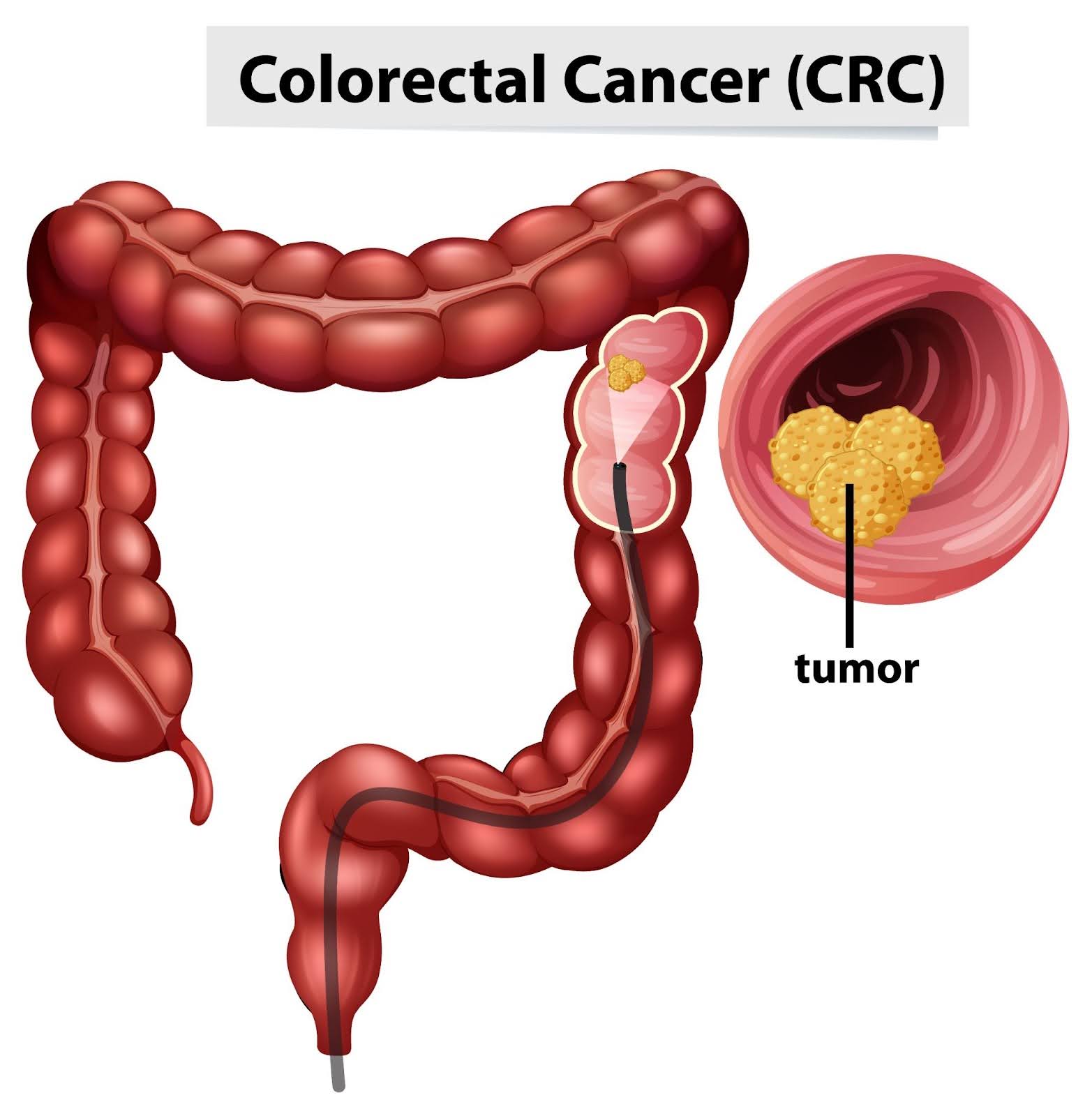
It Takes 10 Years For Colon Polyps To Grow
It can take about 10 years for a small colon polyp to develop into colorectal cancer, although this timeline can vary. According to a study, colonic polyps can invade the colonic wall and degenerate into cancer between 5 to 15 years.
The growth rate can be affected by the type of polyp, genetics, diet, lifestyle, and the presence of conditions like familial adenomatous polyposis (FAP) or Lynch syndrome, which can lead to a faster development of polyps and a higher risk of colon cancer.
So, even though it can take a decade for polyps to grow, this doesn’t mean you should wait or forget about getting checked for colorectal cancer. It’s a big reason why you should get a colonoscopy regularly.
Types Of Colon Polyps
A colonoscopy is a key screening tool used to identify and remove colon polyps. The doctor will classify the colon polyps found in the large intestine into two types: adenomatous and hyperplastic.
Adenomatous Polyps (Adenomas)
These are considered pre-cancerous and are the type most associated with developing colon cancer. They can take many years to develop into cancer, typically 10 to 15 years. Adenomatous polyps, particularly those larger than 1 cm or with more villous features, are more likely to become cancerous.
Hyperplastic Polyps and Inflammatory Polyps
These are generally not considered pre-cancerous. They are more common and usually don’t carry the same risk of developing cancer as adenomas do. Their growth rate is similar to that of adenomas, but they are less likely to develop cancer.
Other Factors That Can Influence The Polyps Growth Rate
In addition to the type of colon polyps, many other factors can affect their growth and their potential to become cancerous.
Size of Polyp: Polyps larger than 1 cm have a significantly increased risk of containing cancerous cells. According to the American Cancer Society, the likelihood of a larger polyp being cancerous is higher than that of a smaller polyp.
Number of Polyps: Individuals with multiple polyps, a condition known as polyposis, have a higher risk for colorectal cancer. Research indicates that the number of polyps correlates with the risk of colorectal cancer.
Genetic Factors: Conditions like familial adenomatous polyposis (FAP) and Lynch syndrome are associated with a higher risk and more rapid growth of polyps. FAP, for example, leads to hundreds to thousands of polyps at a young age and nearly a 100% risk of colorectal cancer if not managed.
Age: Polyp prevalence increases with age. Studies have shown that the incidence of adenomas increases significantly in individuals over 50 years of age, which is why colon cancer screening recommendations often start at this age.
Diet and Lifestyle: Diets high in red and processed meats and low in fibre, fruits, and vegetables are linked with an increased risk of colorectal cancer. Obesity, smoking, and physical inactivity are also risk factors. A study in the “Journal of Nutrition” highlighted the role of diet in polyp development.
Ethnicity and Race: African Americans are at a higher risk for colorectal cancer and may develop polyps at a younger age. This disparity suggests a potential difference in polyp growth rates among different ethnic groups, as noted in the American Journal of Gastroenterology research.
Inflammatory Bowel Disease: Chronic inflammation from conditions like ulcerative colitis or Crohn’s disease is associated with Dysplasia and an increased risk of colorectal cancer. Studies in the “Gastroenterology” journal have shown that the risk of cancer increases the longer a person has inflammatory bowel disease.
Previous Polyp History: A history of adenomas, especially advanced adenomas, is a decisive risk factor for the development of subsequent adenomas or colorectal cancer. The risk increases with the number and size of previously removed polyps, as indicated in studies.
Family History: A family history of polyps or colorectal cancer increases the risk. Studies suggest that first-degree relatives of patients with colon cancer or adenomatous polyps have a two to three times higher risk of developing colorectal cancer or polyps themselves.
Screening And Diagnostic Procedures For Colon Polyps
Most polyps do not turn into cancer. However, removing them and analysing them is a key step in preventing colorectal cancer. Regular colorectal cancer screening, especially for individuals at higher risk (due to age, family history, genetic factors, etc.), is crucial for early detection and effective management.
Doctors use a combination of screening methods and diagnostic procedures to determine if colon polyps are cancerous. The process typically involves the following steps:
Colonoscopy: This is the most common and effective method for detecting colon polyps using a colonoscope. If polyps are found in the colon, they can often be removed during the procedure.
Polyp Removal: Polyps found during a colonoscopy are usually removed using tools passed through the colonoscope. This is important not only for diagnosis but also for prevention, as removing polyps can prevent them from turning into cancer.
Histopathological Examination: The removed polyps are then sent to a laboratory for histopathological examination to identify their type and check for cancer signs.
Assessing Dysplasia: The pathologist looks for Dysplasia. As mentioned, Dysplasia is a pre-cancerous condition, and its presence in a polyp is a strong indicator of potential for developing into cancer.
Genetic Testing of the Polyp: Sometimes, genetic testing is performed on the polyp tissue to identify specific genetic mutations. This can help in assessing the risk of colorectal cancer and in guiding treatment decisions, particularly in hereditary cancer syndromes.
Follow-Up Surveillance: Doctors will recommend a follow-up schedule for future colorectal screenings after polyps are removed and analysed. The frequency of follow-up colonoscopies depends on the number, size, and type of polyps and whether they contain cancer cells.
A colonoscopy can help detect the presence of polyps and other abnormal growths, including potential cancer.
What Happens If Colon Polyps Are Cancerous
If colon polyps are found to be cancerous, the course of action and treatment will depend on various factors, including the cancer stage, the polyp’s size and location, and the patient’s overall health. Here’s a general outline of what might happen:
Staging the Cancer: The next step is determining the cancer stage if a polyp is found to be cancerous. This involves assessing how deeply the cancer has penetrated the colon or rectum wall and whether it has spread to other parts of the body. Staging may involve additional tests like CT scans, MRIs, or ultrasounds.
Surgical Intervention: Surgery is a standard treatment for colorectal cancer. Removing the polyp during the colonoscopy might be sufficient if the cancer is in its early stages and confined to the polyp. For larger cancers, more extensive surgery may be needed to remove the part of the colon or rectum where the cancer is located.
Additional Treatments: If the cancer is more advanced or if there’s a higher risk of it coming back, additional treatments might be necessary. Depending on the colon cancer stage, the treatment can include chemotherapy, radiation therapy, or targeted therapy.
Follow-up Care: After treatment, patients are required to do regular visits to the doctor and possibly additional colonoscopies or other tests to monitor for any signs of cancer returning or new polyps forming.
Ways To Prevent Colon Polyps From Becoming Colon Cancer
Aside from regular colon cancer screening, there are lifestyle changes that you can incorporate to stop colon polyps from growing or forming at all.
Adopt a healthy diet: Eat more fruits, vegetables, whole grains, and legumes to boost fibre. Reduce red or processed meat like bacon and sausages as they are linked to an increased risk of colorectal cancer. You should also consume foods rich in calcium and vitamin D.
Maintain a Healthy Weight: Obesity increases the risk of colon cancer and polyps. Aim for a healthy weight through diet and exercise for at least 30 minutes on most days of the week.
Avoid Tobacco and Limit Alcohol: Smoking is a known risk factor for colorectal cancer and polyps. Quitting smoking can reduce this risk. You must also limit alcohol consumption.
Consider Aspirin or Other Nonsteroidal Anti-inflammatory Drugs (NSAIDs): Some studies suggest that aspirin or other NSAIDs may help reduce the risk of polyps. However, these should only be taken under a doctor’s advice due to potential side effects.
Conclusion About How Fast Colon Polyps Grow
The growth rate of colon polyps can vary significantly, but generally, they develop over years rather than months. While not all polyps will turn into cancer, some can, especially if they’re left undetected and untreated. This slow growth rate highlights the importance of regular screenings so you can catch them earlier for better prognosis.
Our colorectal specialist will provide an in-depth diagnosis to help you understand your unique health needs and risks. Contact us to book a consultation today!
Frequently Asked Questions About How Fast Colon Polyps Grow
Do Colon Polyps Grow Back?
Yes, colon polyps can grow back, but it’s not inevitable. The likelihood of polyps reappearing depends on factors like the type of polyps initially removed, the number of polyps, and your genetic predisposition. People who have had polyps before are at a higher risk of developing new polyps in the future.
How Fast Do Colon Polyps Grow Back?
The growth rate of new polyps can vary. Typically, it takes several years for new polyps to develop and grow. The exact timeline can depend on individual factors like genetics, lifestyle, and certain medical conditions. Regular follow-up screenings, like colonoscopies, are recommended to monitor and manage this risk.
Do Colon Polyps Cause Constipation?
In most cases, small colon polyps do not cause symptoms and are usually not associated with constipation. However, larger polyps might cause bowel habit changes, including constipation. This is more common if the polyp partially obstructs the colon, though such large polyps are less common.
Is There Any Pain Associated With Colon Polyps?
Colon polyps themselves usually don’t cause pain. If a polyp grows large enough to cause obstruction or significant irritation in the colon, there might be discomfort or pain, but this is relatively rare.
If you’re on the path to receiving an ostomy, you might feel overwhelmed or anxious. Living with an ostomy or colostomy bag will be a significant adjustment, but understanding their purposes and how they work can make a difference.
This guide explains the key differences between ostomy and colostomy bags, providing essential tips to help you easily manage this new aspect of life.
What Is An Ostomy Bag?
An ostomy is a surgical procedure that creates an opening in the abdomen to allow the elimination of bodily wastes.
This procedure is often necessary when the natural routes for waste elimination (like the rectum or urethra) are not functioning due to disease, injury, or surgical intervention. The external opening created is called a stoma.
An ostomy bag is a general term for a medical device that attaches to the stoma. Its primary function is to collect waste exiting the body. This device is crucial for people who have undergone ostomy surgery, as it allows them to manage waste efficiently and hygienically.
Some ostomies are temporary and are created to divert waste and give part of the intestine time to heal after surgery or injury. Once healing is complete, a second surgery is performed to reverse the ostomy and reattach the intestines.
In other cases, the ostomy is permanent. This might be due to the removal of a significant portion of the intestine, rectum, or colon due to diseases like colorectal cancer, Crohn’s disease, or ulcerative colitis. In such cases, the individual must wear an ostomy bag for life.
Types of Ostomies
Ileostomy: Involves the small intestine. The bag collects liquid and semi-liquid waste.
Urostomy: Associated with the urinary system. The bag collects urine.
Colostomy: Involves the large intestine. The bag collects faecal matter.
What Is A Colostomy Bag?
A colostomy bag is an ostomy bag for individuals undergoing colostomy surgery. During this procedure, a part of the large intestine is brought out through the abdominal wall to form a stoma.
Colostomies are often necessitated by conditions such as colorectal cancer, diverticulitis, or injuries to the colon and can also be temporary or permanent.
Colostomy bags collect faecal matter and are essential for patients who cannot use their lower colon or rectum. It’s different from an ileostomy, which involves the small intestine and results in more liquid waste.
The management of a colostomy bag is generally less demanding in terms of frequency of emptying compared to an ileostomy bag. However, individuals may need to make dietary adjustments to manage odour and maintain the consistency of their waste.
3 Key Differences Between Ostomy Bags And Colostomy Bags
As mentioned, a colostomy bag is a specific type of ostomy bag. While all ostomy bags collect bodily waste, they are used for different stomas and conditions.
For patients requiring surgery, understanding ostomy versus colostomy may become relevant in certain cases, especially when dealing with gastrointestinal surgeries.
This section will explain the differences between colostomy bags and the other types of ostomy bags, which are ileostomy and urostomy.
1. Types Of Waste Collected
Among the main purposes of using Ileostomy, Urostomy, and Colostomy bags is to collect waste. The type of waste will be different for each type of ostomy bag.
Ostomy Bags: These are versatile in terms of the types of waste they collect. An ileostomy bag, for instance, is designed to collect more liquid and semi-liquid waste from the small intestine, where full water absorption doesn’t occur. On the other hand, Urostomy bags are used for urine collection when the bladder or lower urinary tract is bypassed.
Colostomy Bags: These are specifically tailored to collect faecal matter from the colon. The waste is generally more solid compared to what is collected in ileostomy bags. The design and structure of colostomy bags take into account the consistency and nature of the waste, ensuring comfort and preventing leaks.
2. Location Of The Stoma
Where your ostomy bag will be located depends on where the stoma is. It varies significantly depending on the type of surgery performed.
Ostomy Bags: For ileostomies, the stoma is located on the small intestine, often on the right side of the abdomen. Urostomies involve a stoma connected to the urinary tract, typically located in a different abdominal area.
Colostomy Bags: For colostomy bags, the stoma is consistently located on a section of the large intestine, usually on the lower left side of the abdomen. This specificity in location is directly linked to the portion of the colon used to create the stoma and its accessibility for bag attachment.
3. Frequency Of Emptying And Changing
Because the ostomy bags collect waste from the body, they must be emptied regularly to maintain hygiene, avoid infections, and prevent them from becoming heavy.
Ostomy Bags: These bags typically need to be emptied more frequently than colostomy bags. Ileostomy bags, for instance, collect liquid and semi-liquid waste, which can fill the bag quickly. Urostomy bags, which collect urine, also require frequent emptying.
Colostomy Bags: Since colostomy bags collect more solid faecal matter, they generally don’t need to be emptied as often. The frequency of changing the bag can vary depending on the individual’s bowel habits and the consistency of the output.
Understanding the differences between an ostomy and colostomy bag is important when discussing treatment options with a colorectal surgeon.
Tips For Individuals With Ostomy Or Colostomy Bags
Living with an ostomy or colostomy bag involves many adjustments, but with the right practices, individuals can lead generally comfortable and active lives. Here are some essential tips for managing life with an ostomy or colostomy bag:
Understand Your Equipment: Familiarise yourself with the type of bag you have – whether it’s a drainable or closed pouch, one-piece or two-piece system. Know how to properly fit and secure your bag to prevent leaks and skin irritation.
Regular Bag Maintenance: Empty your bag when it’s one-third to half full to avoid leaks and bulging. Change it as recommended, typically every 3-5 days for colostomy bags and 1-2 days for ileostomy bags.
Skin Care: Keep the skin around the stoma clean and dry. Use mild soap and water; avoid alcohol-based products. Inspect your skin for any signs of irritation or infection regularly.
Diet and Hydration: Stay hydrated, especially if you have an ileostomy, as you’re more prone to losing fluid. Monitor how your body reacts to different foods. Some foods may increase gas and odour or affect the consistency of your output.
Odour Control: Use deodorising products specifically designed for ostomy bags. Be mindful of foods that may cause odour, and adjust your diet accordingly.
Dressing Comfortably: Wear clothes that make you feel comfortable and confident. Loose-fitting clothes can help conceal the bag. Special ostomy underwear and support belts are available for added security.
Be Prepared: Always carry a spare kit with extra supplies when you’re out. Have emergency contact information and instructions handy in case you need assistance.
Protect Your Stoma: When engaging in activities, consider wearing a stoma guard or support belt to protect the stoma area from impacts or excessive pressure.
Activity Guidelines
Living with an ostomy or colostomy bag does require some adjustments in daily activities, but it doesn’t mean you have to give up your active lifestyle. Here’s a guide on the activities you can engage in and those you should be cautious about:
Activities You Can Do
Exercise and Fitness: Most forms of exercise, including walking, running, yoga, and swimming, are fine. Start with low-impact exercises and gradually increase intensity as comfort and confidence grow.
Swimming: Swimming is possible with an ostomy or colostomy bag. Use waterproof covers and special swimwear designed for ostomy bags.
Travel: Travelling is not restricted. Just plan ahead by packing extra supplies and being aware of restroom locations.
Work: Most people can return to work. However, if your job is physically strenuous, discuss appropriate adjustments with your employer and healthcare provider.
Activities To Be Cautious About
Heavy Lifting and High-Impact Sports: Avoid heavy lifting and high-impact activities that pressure the abdomen and stoma. Sports like football, wrestling, or martial arts might require additional protection or need to be avoided.
Extreme Sports: Activities with a high risk of abdominal injury, such as skydiving or motocross, should be approached with caution.
Hot Tubs and Saunas: Prolonged exposure to heat can affect the adhesive on the ostomy appliance. Limit time and monitor the seal.
Contact Sports: Sports where direct hits to the abdomen likely require special protective gear or may be inadvisable.
What To Do If The Ostomy Bag Gets Damaged During An Activity
If your colostomy or ostomy bag gets damaged, you must address the issue promptly to maintain hygiene and avoid serious infection. Here’s what you should do:
Stay Calm and Prepared: First, try to stay calm. It’s helpful to always have a spare kit with supplies (extra bags, skin barrier, wipes, disposal bags) for such situations.
Contain the Situation: If the bag leaks, cover the area with clean, absorbent material like towels or tissues to contain any spillage. Prepare to change the bag as soon as possible. Find a private, clean space to do this.
Remove the Damaged Bag: Carefully remove the damaged bag. If you’re using a two-piece system, you may only need to replace the bag and not the skin barrier/wafer.
Clean the Stoma Area: Clean the skin around the stoma gently with warm water and dry it thoroughly. Avoid using soaps with oils or perfumes, as they can interfere with the adhesion of the new bag.
Inspect the Skin: Check the skin around the stoma for any signs of irritation or injury. If there’s noticeable skin damage or irritation, you may need to apply a protective barrier before attaching the new bag.
Attach a New Bag: Follow your usual procedure for attaching a new bag, ensuring a secure and comfortable fit. Seal the damaged bag in a disposable bag and dispose of it according to your usual practice.
When To Contact Your Doctor About Your Ostomy Bag
Contacting your doctor for a damaged ostomy or colostomy bag is crucial under certain circumstances. Here are situations when you should reach out to your healthcare provider:
Persistent Leaks or Frequent Bag Failures: If you’re experiencing repeated leaks or your bag seems to fail frequently, it could indicate an issue with the fit or type of the bag. This can lead to skin irritation or infections, which need medical attention.
Skin Irritation or Infection: If the skin around your stoma becomes red, irritated, swollen, or shows signs of infection (like pus or a foul odour), contact your doctor. These symptoms can arise from prolonged exposure to waste due to leaks or improper fitting.
Allergic Reactions: If you suspect you’re allergic to the bag or any supplies (adhesives, skin barriers), seek medical advice. Symptoms can include rash, itching, or hives around the stoma site.
Changes in Stoma Appearance: Any significant changes in the stoma’s size, colour, or condition should be reported. Look for signs like swelling, discolouration, or retraction into the abdomen.
Pain or Discomfort: While some discomfort is normal, especially post-surgery, persistent or severe pain around the stoma is not, as it may indicate an underlying issue that needs to be addressed.
Changes in Output: Noticeable changes like your stoma’s output, such as blood in the waste or a drastic change in consistency, should prompt a call to your doctor.
Conclusion About Ostomy Bag And Colostomy Bag
Living with an ostomy or colostomy bag is a significant adjustment, but it can become just another part of your routine with the right information and support. Remember, you’re not alone in this journey.
Our colorectal specialist can help perform the required surgical procedures and provide comprehensive care for those needing a colostomy. Schedule a consultation today!
Frequently Asked Questions About Ostomy Bags And Colostomy Bags
Will My Diet Need To Change?
You may need to modify your diet, especially soon after surgery. Some foods can affect output consistency and odour. It’s best to introduce new foods gradually and monitor their effects.
Can I Shower Or Bathe With My Ostomy Bag On?
Yes, you can shower or bathe with the bag on or off. However, protecting the stoma from direct, high-pressure water is important.
Can I Lead A Normal Life With An Ostomy Bag Or A Colostomy Bag?
Absolutely. Many individuals with colostomy bags lead active, fulfilling lives. It might require some adjustments but generally doesn’t hinder everyday activities.
Can The Colostomy Bag Come Off Accidentally?
Proper fitting and securement make it unlikely for a colostomy bag to come off accidentally. Using support garments can provide extra security.
Bowel obstruction is a medical condition that significantly disrupts regular bowel movements. It can manifest as a severe condition, leading to symptoms like a swollen belly and intense pain.
But can a bowel obstruction itself cause back pain? Yes.
While this is not a common symptom, back pain is still a major concern by many patients. This article explores the relationship between bowel obstruction and back pain, and will highlight the factors that link them.
The Relationship Between Bowel Obstruction And Back Pain
Bowel obstruction can stem from various causes, ranging from common issues like chronic constipation, long-standing constipation, and faecal impaction to more serious ailments such as rectal cancer or colon cancer. Bowel obstruction will often present itself as one of more of the following:
Abdominal Pain: People who suffer from bowel obstruction frequently experience abdominal pain, which can range from mild discomfort to severe.
Changes in Bowel Movement Frequency: This includes both infrequent bowel movements and, in some cases, diarrhoea if partial obstruction allows some liquid stool to pass.
Constipation: In cases of partial bowel obstruction, one of the early symptoms can be constipation, as the passage of stool is hindered.
Back Pain: While less common, back pain, especially in the lower back, can occur, possibly due to the pressure exerted by the swollen intestine or as a secondary response to the abdominal pain.
Factors Contributing To Back Pain
Bowel obstruction can indirectly cause back pain. For instance, dull lower back pain or persistent back pain can be a secondary effect of extreme pressure and chronic pain caused by an obstructed bowel.
Here are factors that may contribute to back pain.
Direct Pressure and Distension: When a bowel obstruction occurs, it can lead to the accumulation of intestinal contents, gas, and fluid upstream of the obstruction. This accumulation causes distension and swelling of the intestine. The distended intestine can exert pressure on the abdomen and surrounding structures, including the back. This pressure can result in discomfort or pain in the lower back area.
Inflammatory Response: A bowel obstruction can trigger an inflammatory response. Inflammation generally can cause aching or discomfort not limited to the site of the problem. Therefore, the inflammation caused by a bowel obstruction can contribute to generalised discomfort, including in the back.
Muscular Strain and Postural Changes: Individuals with bowel obstruction may unconsciously adopt different postures or engage in unusual movements to alleviate abdominal discomfort or pain. These altered postures and movements can strain the back muscles, leading to muscle fatigue and back pain.
Complications of Bowel Obstruction: In severe cases, complications arising from bowel obstruction, such as infection or ischemia (reduced blood flow to the intestines), can exacerbate the pain and discomfort. The body’s response to such complications can cause severe pain.
Co-existing Conditions: Sometimes, the underlying cause of the bowel obstruction itself can be associated with back pain. For example, conditions like certain cancers (such as colon cancer) or inflammatory diseases can affect various body systems, leading to symptoms in multiple areas, including the back.
Back pain is common in both bowel obstruction and colon cancer, and distinguishing between the two is vital.
Diagnosing Bowel Obstruction
These steps help healthcare professionals determine the presence, location, and cause of the obstruction and the best course of treatment.
Abdominal Exam: This procedure checks the abdomen for tenderness, swelling, or masses. Using a stethoscope, the doctor will listen for unusually loud or absent sounds, which may indicate obstruction.
Rectal Examination: This can help identify blockages lower in the digestive tract, impacted stool, or other abnormalities.
Blood Tests: This procedure is needed to check for signs of infection, dehydration, or electrolyte imbalances, which can accompany bowel obstructions.
Urinalysis: Sometimes helpful in ruling out other conditions that can mimic the symptoms of a bowel obstruction.
X-rays: Abdominal X-rays can often show if there is an obstruction and where it is located. Signs like air-fluid levels or distended loops of the intestine are indicative.
Computed Tomography (CT) Scan: This procedure provides detailed images of the abdomen and can identify the location, cause, and severity of the obstruction, as well as any complications like perforation or ischemia.
Ultrasound: Sometimes used, particularly in children or pregnant women, to avoid radiation exposure.
Colonoscopy or Sigmoidoscopy: These tests involve a camera to look inside the large intestine. They can help diagnose obstructions caused by tumours, strictures, or other abnormalities.
Barium Enema: A special dye provides clearer X-ray images of the large intestine. It’s less commonly used now due to the effectiveness of CT scans.
Bowel obstruction can often mask the early symptoms of colon cancer, making timely diagnosis crucial.
Managing Back Pain Related To Bowel Obstruction
Back pain associated with bowel obstruction can be managed through several approaches, often concurrently with treating the obstruction itself.
Medications: Over-the-counter pain relievers can help, but stronger pain medication may sometimes be necessary. It’s essential to use these as directed by a doctor.
Hot or Cold Therapy: Applying heat packs or cold compresses to the lower back can help reduce pain and inflammation.
Posture: Maintaining good posture can help reduce back strain.
Support Devices: Using lumbar support pillows or mattresses designed to support the back can be beneficial.
Physical Therapy: Experienced physical therapists can suggest specific exercises and stretches to strengthen back muscles and improve flexibility, helping to alleviate pain.
Gentle Activities: Doing gentle physical activities like walking can help maintain back muscle strength and reduce stiffness.
Acupuncture or Massage Therapy: These can relieve some individuals, though it’s important to consult a healthcare provider before pursuing alternative treatments.
Bowel Obstruction Treatments
Bowel obstruction can lead to severe complications like infection, tissue death, and perforation of the intestinal wall, which is why it must be properly treated.
Bowel obstruction treatments are highly individualised, depending on the specific type, location, cause of the obstruction, and the severity of the condition.
The primary objective is to relieve the blockage and prevent any complications. Here’s an expanded look at the various treatment approaches:
Nasogastric Tube (NGT) for Decompression: A nasogastric tube is inserted through the nose and passed down into the stomach and sometimes into the small intestine. This procedure helps to relieve pressure by draining the contents from the stomach and intestines.
IV Fluids and Electrolytes: To counteract the effects of dehydration and maintain electrolyte balance, IV fluids are administered. These fluids typically include a balance of water, salts, and sometimes glucose. This is especially important because vomiting and lack of fluid intake associated with bowel obstruction can disrupt the body’s normal electrolyte balance.
Bowel Rest: Patients with a bowel obstruction are often advised not to eat or drink (NPO – nil per os) for a certain period. This strategy, known as bowel rest, allows the intestines to rest, reducing the chance of further distension and discomfort.
Medications: Managing pain is a crucial aspect of treatment, involving various analgesics to provide relief. Additionally, anti-nausea medication is used to manage symptoms of nausea and prevent vomiting, which can exacerbate the condition.
Enemas and Laxatives: In cases of partial obstruction or faecal impaction, enemas and laxatives might be effective. They work by softening the stool and stimulating bowel movements to help clear the blockage.
Surgical Resection: This is a necessary step in cases of complete obstruction or strangulation of the bowel or when non-resolvable causes like tumours or strictures cause the obstruction. The procedure involves surgically removing the obstructed section of the intestine and reconnecting the two healthy ends.
Colostomy or Ileostomy: A temporary or permanent stoma may be necessary in severe cases, especially when a large portion of the intestine is removed or needs time to heal. This involves creating an opening on the abdomen (stoma) to allow waste to exit the body into a colostomy or ileostomy bag.
Laparoscopic Surgery: This minimally invasive surgery, involving small incisions and specialised instruments, is often preferred due to its reduced recovery time and lower risk of complications compared to open surgery.
Post-treatment, regular monitoring is essential to ensure the obstruction does not recur and to manage any underlying conditions. Adjustments in diet and lifestyle may also be recommended to prevent future obstructions, especially in cases related to dietary habits or certain gastrointestinal conditions.
Conclusion About Bowel Obstruction And Back Pain
While back pain is not the most direct symptom of bowel obstruction, it can be an associated discomfort due to the underlying digestive system issues. Recognising this potential link is crucial for early diagnosis and treatment.
Anyone experiencing symptoms like changes in bowel habits, persistent back pain, or severe abdominal pain should seek a doctor immediately, especially if constipation remains unaddressed or there are signs of more severe conditions like faecal impaction or cancer.
Ask our expert colorectal specialist, Dr. QM Leong, for early intervention and comprehensive treatment. He has extensive experience in treating and managing bowel issues in Singapore.
Frequently Asked Questions About Bowel Obstruction And Back Pain
How Do You Differentiate Between General Back Pain And Back Pain Due To Bowel Obstruction?
Gastrointestinal symptoms like severe abdominal pain, bloating, and changes in bowel habits often accompany back pain caused by bowel obstruction. General back pain, on the other hand, is usually related to muscle strain, spinal issues, or nerve problems and may not be accompanied by such symptoms.
Does Bowel Obstruction Pain Come And Go?
The pain associated with bowel obstruction can vary. Some people experience constant pain, while others might have pain that comes and goes, often depending on the nature and severity of the obstruction.
Should I See A Doctor If I Suspect A Bowel Obstruction?
Yes, it’s crucial to seek medical attention immediately if you suspect a bowel obstruction, as it is a serious condition that can result in life-threatening complications if not treated promptly.
How Long Can You Have A Bowel Obstruction Before It Becomes Dangerous?
The severity and danger of a bowel obstruction can escalate quickly, sometimes within a matter of days. It’s important to seek medical attention immediately if you suspect an obstruction, as delays can increase the risk of serious complications.
Infectious colitis is a significant concern in the spectrum of gastrointestinal disorders, often interlinked with conditions like inflammatory bowel disease (IBD) and ulcerative colitis.
In this article we will explain the symptoms of infectious colitis, citing its primary cause, differentiating it from chronic inflammatory bowel diseases, and highlighting advanced treatment strategies.
What Is Infectious Colitis?
Infectious colitis is a type of colitis caused by infections from bacteria, viruses, or parasites. It’s characterised by inflammation of the colon, which is the body’s response to these infectious agents and can lead to gastrointestinal symptoms.
It differs from other types of colitis, such as ulcerative colitis, an inflammatory bowel disease not caused by infectious agents but by an abnormal immune response. Other forms, like ischemic colitis, result from reduced blood flow to the colon.
Symptoms Of Infectious Colitis
Key symptoms of infectious colitis include:
Abdominal Pain and Cramping: A common manifestation, often confused with other conditions like inflammatory bowel diseases. The pain can range from mild and manageable to severe and debilitating, depending on the type of pathogen involved and the individual’s overall health.
Diarrhoea: Ranging from watery to bloody diarrhoea, signalling severe inflammation or ulceration in the colon. Infections from bacteria like Escherichia coli O157:H7, a strain known for causing severe foodborne illness, can lead to profuse, often bloody, diarrhoea.
Fever: This symptom indicates the body’s immune response to the infection. Fever is a natural defence mechanism, activating the immune system to fight off the infectious agent.
Nausea and Vomiting: These symptoms occur as the body attempts to expel the offending pathogens and are a direct response to irritation and inflammation in the gastrointestinal tract caused by the infection.
Urgency to Defecate: This is caused by the irritation and inflammation of the colon. The inflamed colon becomes more sensitive and reactive, leading to a frequent and sometimes uncontrollable urge to pass stool. This urgency is a hallmark of the active inflammation within the digestive tract associated with infectious colitis.
Bacteria Causing Infectious Colitis
Infectious colitis can be caused by a variety of infectious agents:
Bacteria: These include E. coli, Salmonella, Shigella, and Campylobacter, which are often contracted through contaminated food or water.
Viruses: Like norovirus and rotavirus, common in children and often spread through contaminated food or direct contact.
Parasites: These include Giardia lamblia and Entamoeba histolytica, which are often contracted through contaminated water in endemic areas.
Risk Factors Of Infectious Colitis
Individuals at risk of developing infectious colitis include:
People with weakened immune systems, such as those with chronic diseases or taking immunosuppressive drugs.
Travellers to areas with poor sanitation, where contaminated food and water are more common.
Individuals are practising poor hygiene, especially in food handling and personal cleanliness.
Young children and the elderly are generally more susceptible to infections.
People eating undercooked or improperly stored food are more prone to consuming harmful bacteria or parasites.
Those living or working in close quarters, like daycare centres or nursing homes, where infections can spread more easily.
How Does Infectious Colitis Spread?
Infectious colitis is primarily spread through the faecal-oral route. This occurs when pathogens present in an infected person’s faeces contaminate food or water, which is then ingested by others. Key factors contributing to its spread include:
Contaminated Food and Water: Ingesting food or water contaminated with bacteria, viruses, or parasites. This contamination often occurs due to poor food handling practices or contaminated water sources.
Poor Hygiene: Inadequate handwashing, particularly after using the bathroom or handling raw food, can lead to the spread of pathogens.
Close Contact: Being in close contact with someone who has infectious colitis can increase the risk, especially in environments like daycare centres or nursing homes.
Travel to High-Risk Areas: Travelling to regions with poor sanitation can increase the likelihood of contracting infectious colitis due to exposure to contaminated food and water.
Infectious Colitis Prevention And Long-term Management
Infectious colitis can contribute to significant morbidity and mortality worldwide, particularly in cases involving specific pathogens like enterohemorrhagic Escherichia coli (EHEC) O157:H7, Salmonella, Shigella, Campylobacter, and Entamoeba histolytica.
Advances in understanding the epidemiology and pathobiology of infectious colitis have been significant, but the condition still poses a considerable health threat, necessitating improved prevention strategies.
Currently, here are the measures to prevent infectious colitis:
Maintain Good Hygiene: Regular handwashing, especially before eating and after using the restroom, is crucial.
Safe Food Handling and Preparation: Cook meat thoroughly, wash fruits and vegetables, and avoid cross-contamination in the kitchen.
Be Cautious with Water: In areas with questionable water safety, drink bottled or boiled water and avoid ice.
Be Vigilant When Travelling: In regions with lower sanitation standards, be extra careful about food and water consumption.
Strengthen Your Immune System: A healthy lifestyle, including a balanced diet and regular exercise, can bolster your immune defences.
Diagnosing Infectious Colitis
Diagnosing bacterial colitis and differentiating it from other forms of colitis and gastrointestinal disorders is crucial for effective treatment. Here’s an overview of the diagnostic approach and how to differentiate bacterial colitis from other conditions:
Medical History and Physical Examination: Understanding the patient’s symptoms, history of travel, food intake, and exposure to contaminated sources. Physical examination may reveal abdominal tenderness.
Stool Tests: Three types of stool tests are usually performed for diagnosis. These include stool culture to identify specific bacteria causing the infection, microscopy to look for white blood cells indicating an inflammatory process, and stool antigen tests to detect specific bacterial toxins (e.g., for C. difficile).
Blood Tests: Can show systemic infection or inflammation, including elevated white blood cell count, and C-reactive protein.
Imaging Tests: Computed Tomography scan or CT scan and ultrasound are rarely used for bacterial colitis, but can help rule out other conditions.
Colonoscopy or Sigmoidoscopy:Colonoscopy is used if the diagnosis is unclear or to assess the extent of colonic involvement. Biopsies can be taken for histological examination.
Treatment Strategies For Infectious Colitis
Infectious colitis requires a treatment approach that addresses the specific pathogen involved, managing symptoms and preventing complications.
Here are the treatment options categorised based on the type of infection and general management strategies:
Treatment Based On Pathogen Type
Bacterial Colitis: Common antibiotics used include Ciprofloxacin or Azithromycin, which are effective against various general bacterial infections. In cases of Clostridioides difficile infections, Vancomycin or Fidaxomicin are typically prescribed.
Viral Colitis: When it comes to viral colitis, most cases of viral gastroenteritis are self-limiting, meaning they resolve independently without needing specific antiviral treatments.
The primary focus of treatment in these instances is supportive care, emphasising the importance of hydration and rest. Maintaining fluid balance and allowing the body to rest is crucial to recovery in viral colitis cases.
Parasitic Colitis: Treatment involves using antiparasitic medications, which are chosen based on the specific type of parasite causing the infection. Metronidazole or Tinidazole are commonly used for treating infections such as Giardiasis.
However, different specific antiparasitic drugs, such as albendazole or ivermectin, may be necessary for other parasites, depending on the parasite identified. These treatments are essential for effectively eliminating the parasitic infection and alleviating colitis symptoms.
General Management Strategies
Infectious colitis treatment highly depends on the causative agent and the severity of the symptoms. Antibiotics, antivirals, or antiparasitics are used based on the specific pathogen, while supportive care remains a cornerstone of treatment across all types.
Hydration and Electrolyte Management: In severe cases, oral rehydration solutions or intravenous fluids.
Dietary Modifications: Initially, a clear liquid diet progressed to a low-fibre diet as tolerated. Avoidance of dairy products if lactose intolerance is suspected post-infection.
Probiotics: May be considered to help restore normal gut flora.
Nutritional Support: Particularly if significant weight loss or prolonged diarrhoea exists.
Hospitalisation: For severe cases, especially if there’s significant dehydration, sepsis, or toxic megacolon.
Conclusion About Infectious Colitis
Infectious colitis, while distinct from chronic inflammatory bowel diseases, presents its own set of significant health challenges. Early diagnosis, understanding the cause, and implementing appropriate treatment strategies are crucial for managing this condition.
You can trust Advanced Colorectal and General Surgery when treating and managing gastrointestinal conditions. We have facilities and specialists who can provide comprehensive care for those suffering from symptoms of infectious colitis and other conditions.
Frequently Asked Questions About Infectious Colitis
How Long Does Infectious Colitis Last?
The duration of infectious colitis varies depending on the causative agent and the patient’s overall health. Typically, symptoms can last from a few days to a couple of weeks. However, some infections may linger or recur, especially if not adequately treated.
Will Colitis Go Away On Its Own?
Mild cases of infectious colitis often resolve on their own with supportive care, such as staying hydrated. However, medical intervention is necessary if symptoms persist beyond a few days or there’s a high risk of complications.
What Are The Potential Complications Of Infectious Colitis?
Potential complications include dehydration, hemolytic uremic syndrome (particularly with certain E. coli infections), sepsis, toxic megacolon, and perforation of the colon. These complications can be severe and require immediate medical attention.
Can Children And Adults Be Affected Differently By Infectious Colitis?
Yes, infectious colitis can affect children and adults differently. Children, especially young ones, are more susceptible to dehydration and may show symptoms more rapidly. Adults might have more varied symptoms and are at a different risk for certain complications.
Can a hernia change bowel movements? Yes. Hernias, a common health condition characterised by the protrusion of an organ through the surrounding muscle or tissue, often raises concerns about their impact on daily functions, particularly bowel movements.
Among various types, the most prevalent are inguinal hernias, hiatal hernias, femoral hernias, and incisional hernias, each presenting unique symptoms and risks. And each can impact bowel function.
This article looks into the various ways hernia can change bowel habits, highlighting the importance of seeking medical attention for hernia symptoms.
Different Types Of Hernia And Their Effects On Bowel Movements
A hernia occurs when the internal organ or fatty tissue bulges through a weak spot in the surrounding muscle or connective tissue. This can happen because of muscle weakness and strain.
Weakness may result from various factors, including ageing, injury, surgery, or congenital conditions. Conversely, strain may result from heavy lifting, constipation, persistent coughing, or weight gain. These factors increase abdominal pressure and force organs or tissues through the weak spot.
Different types of hernias can affect bowel movements in various ways, depending on their location and severity.
Inguinal Hernia
Inguinal hernias typically occur in the inguinal canal, a part of the lower abdomen near the pubic bone. They appear as a bulge on either side of the pubic bone and can extend into the groin.
Causes: In men, they often involve the spermatic cord. In women, they relate to a ligament that supports the uterus. They are categorised into indirect inguinal hernias, often congenital and common in children, and direct inguinal hernias, typically found in adult men and related to muscle weakness.
Symptoms: A visible bulge in the groin area, which may extend to the scrotum in men. It usually doesn’t directly affect bowel movements unless it’s very large or strangulated (when the blood supply to the herniated tissue is cut off).
A strangulated inguinal hernia can cause bowel obstruction, leading to symptoms like severe constipation, bloating, and vomiting.
Femoral Hernia
Femoral hernias develop in the femoral canal, located just below the inguinal canal near the upper thigh or groin. They are more common in women.
Causes: They happen when the intestine pushes through a weak spot in the muscle near the femoral artery and vein.
Symptoms: A bulge near the groin or upper thigh, often smaller than inguinal hernias, but can be more prone to serious complications. Like inguinal hernias, they typically don’t affect bowel movements unless they become strangulated, which can lead to bowel obstruction.
Umbilical Hernia
These hernias are found near the belly button and are primarily common in infants but can also happen in adults.
Causes: In infants, they result from the muscles around the navel not fully closing after birth. In adults, they can be caused by repeated strain on the abdomen.
Symptoms: A bulge or swelling at or near the belly button. Umbilical hernias rarely affect bowel movements, but if they are large or strangulated, they can cause gastrointestinal symptoms.
Incisional Hernia
Incisional hernias are found at the site of a previous surgical wound in the abdomen.
Causes: They occur when muscles weakened by surgery don’t heal completely.
Symptoms: A bulge or swelling at the site of a past surgical incision, particularly in those who have had abdominal surgery. If large or complicated, it might affect bowel movements, especially if it leads to a partial bowel obstruction.
Some individuals are at a higher risk of developing hernias. Pregnant women, for example, may develop hernias due to the increased pressure on the abdomen.
Likewise, individuals who experience chronic severe abdominal pain, those who frequently engage in heavy lifting, or those who have had previous abdominal surgeries are more susceptible to hernia development.
The Ways Hernias Affect Bowel Movement
The effects of hernias on bowel function can vary from mild discomfort to severe, life-threatening complications.
Obstruction
One of the most significant ways a hernia can affect bowel movements is through obstruction. This occurs when a segment of the intestine becomes trapped in the hernia, blocking the passage of bowel contents.
In cases of small bowel obstruction caused by a hernia, the symptoms can include severe abdominal pain, inability to pass gas or stool, vomiting, and a noticeable bulge in the abdomen.
You need immediate medical attention if you have these symptoms, as it can lead to further complications like tissue death due to lack of blood supply. Those with hernias should be particularly vigilant about such symptoms.
Pain In The Groin Area
Depending on their location and size, Hernias can cause discomfort or pain that indirectly impacts bowel habits. For instance, a direct inguinal hernia might cause an aching sensation or pain in the groin area, especially when bending over, coughing, or lifting heavy objects.
Because of this discomfort, some individuals might eat less to avoid aggravating the hernia pain, potentially leading to constipation. In contrast, others may alter their diet in ways that affect bowel regularity.
Strangulation
In more severe cases, such as with a strangulated hernia, the herniated part of the intestine has its blood supply cut off. This is a medical emergency because it can result in tissue death and sepsis if left untreated.
The symptoms of a strangulated hernia are sudden, severe pain at the hernia site, red or purple discolouration of the bulge, nausea, and vomiting. The onset of these symptoms is often rapid and requires immediate medical attention.
Strangulation can severely impact bowel movements, making patients experience severe abdominal pain and incapable of passing stool or gas.
Inguinal Hernias
This type of hernia can impact bowel movements due to its location near the lower abdomen and groin. Individuals with an inguinal hernia may experience discomfort or pain exacerbated during physical activity or bowel movements, leading to avoidance of certain movements or strains that can affect bowel regularity.
Additionally, the pressure exerted by the hernia on surrounding tissues can lead to a sensation of fullness or bloating, which may influence bowel habits.
Related Complications
Beyond direct effects, hernias can lead to other complications that indirectly affect bowel movements. For example, a hiatal hernia (where part of the stomach pushes into the chest cavity through an opening in the diaphragm) can cause acid reflux, which might lead to changes in diet and eating habits, subsequently affecting bowel movements.
If you have a hernia, be mindful of your diet post-surgery to avoid aggravating bowel movements.
Diagnosing Hernia And When To See A Doctor
Diagnosing a hernia starts with a physical examination to look for a bulge in the abdomen or groin area, which may become more noticeable when you stand up, cough, or strain. Sometimes, the doctor may feel the hernia when you are standing, and it may disappear when you lie down.
A CT scan or an MRI might be required to confirm the diagnosis. These imaging tests are especially helpful in diagnosing hernias that are not easily felt on a physical exam and assessing the size and content of the hernia.
Immediate medical attention is crucial if you experience intense or worsening pain, signs of bowel obstruction (like inability to pass stool or gas), or if the hernia becomes red, purple, or dark. These could be signs of a strangulated hernia.
Treatment Options For Hernias
Hernias are treated depending on their size, type, and symptoms. The aim of treating hernias is to relieve symptoms and avoid complications, like strangulation and obstruction.
The most effective treatment is surgical repair, which aims to strengthen the weak area and restore the anatomy, thereby preventing recurrence.
A fibre-rich diet is recommended to help minimise or manage hernias-related bowel movement issues. This includes eating more fruits, vegetables, whole grains, and legumes. Staying hydrated and avoiding heavy or fatty meals can also be beneficial.
Surgical Repair
Surgery is often recommended for hernias that are large, painful, or growing. Two main types of surgery are:
Open Surgery: The surgeon cuts the hernia and pushes the bulging tissue back into place. The weak area is then repaired with stitches, and sometimes mesh is used to strengthen the area.
Minimally Invasive Surgery (Laparoscopic or Robotic Surgery): This involves several small incisions instead of one large one where the doctor inserts a tiny camera and surgical tools to repair the hernia. This method typically offers quicker recovery, less pain, and a lower risk of infection.
Emergency surgery is necessary for hernias leading to complications like intestinal obstruction or strangulation. This is a more urgent situation where the trapped portion of the intestine might not be getting enough blood flow, which can lead to tissue death and other serious complications.
Conclusion About How Hernia Can Change Bowel Movement
While hernias like inguinal hernias, femoral hernias, and incisional hernias can impact bowel habits, effective medical treatment is available. It’s vital to monitor symptoms and seek medical attention, especially in cases of severe pain, bowel obstruction, or other serious complications.
A hernia can affect the outcome of your colonoscopy prep, so it’s important to inform your doctor.
If you are experiencing hernia symptoms, don’t hesitate to contact Advanced Colorectal and General Surgery. Our experienced surgeon in Singapore, Dr. QM Leong, is an expert in hernia repair and bowel obstruction treatments.
Frequently Asked Questions About How Hernia Can Change Bowel Movement
Are There Any Long-Term Effects On Bowel Movements After A Hernia Is Treated?
Long-term effects on bowel movements after hernia treatment are uncommon, especially if the hernia has been properly repaired. However, individual outcomes can vary, and any persistent changes in bowel habits should be discussed with your doctor.
Will Hernia Treatment Immediately Resolve Bowel Issues?
Post-hernia repair; bowel issues may take some time to resolve. Immediate improvement is not always guaranteed, as recovery varies from person to person. It’s important to follow your doctor’s post-operative care instructions and dietary advice.
Can Hernias Recur After Surgery, And Will This Affect My Bowel Movements Again?
Yes, hernia recurrence after surgery is possible, especially if post-operative care guidelines are not followed or due to other risk factors. Recurrence can bring back previous symptoms, including those affecting bowel movements.
How Can I Differentiate Between Normal Bowel Changes And Those Caused By A Hernia?
Normal bowel changes are occasional and can be linked to diet or temporary health changes. Bowel changes due to a hernia are often persistent and may be accompanied by other symptoms like pain or a noticeable bulge. Consulting a doctor is the best way to determine the cause.