What Is Keyhole Surgery? 7 Things You Must Know

What is keyhole surgery

Keyhole surgery is a minimally invasive surgery involving much smaller cuts. In this technique, the surgeon makes a small incision on the skin to perform a procedure on the body.

1. What To Expect During A Keyhole/Laparoscopic Surgery Procedure

The surgeon uses a laparoscope, a small imaging instrument, during a laparoscopy. It consists of a small light source and a camera, which projects images of the abdominal cavity or pelvis to a monitor.

Surgeons may also insert other instruments through the tiny incisions to conduct other medical procedures.

Below is a more detailed, step-by-step illustration of a typical laparoscopy/keyhole surgery:

  • Step 1: The surgeon makes a small cut of about 0.5 to 1.0 cm on the abdomen (usually near the belly button)
  • Step 2: The surgeon inserts a small tube pumped with carbon dioxide gas. It inflates the abdomen, giving the surgeon more visibility into the organs. It also allows them more room to work.
  • Step 3: The laparoscope is inserted through the tube. It provides clear imaging on a monitor for the surgeon.
  • Step 4: After examination, the surgeon airs out the carbon dioxide from the abdominal area. They stitch the incisions together to close the cuts and apply a dressing afterwards.

2. Why Is Keyhole Surgery Done?

Why Is Keyhole Surgery Done

Laparoscopic or keyhole surgery is done to examine the abdomen and pelvis of a female. Doctors perform this surgery to determine the presence of and diagnose specific medical conditions.

Keyhole surgery is also done to take out damaged or deceased internal organs.

Compared to traditional open surgery, keyhole surgery allows the patient to recover faster. Potential scarring and haemorrhaging are also prevented, thanks to only minor cuts on the body.

3. Medical Conditions Diagnosed Through Keyhole Surgery

Patients undergo keyhole surgery to allow the surgeon to diagnose and treat several conditions. It’s often used in:

  • Urology – This is a branch of healthcare dealing with diseases in the urinary tract (ureters, bladder, and urethra). A laparoscopy can help identify any benign or malignant tumours in these organs.
  • Gynaecology – Gynecologic laparoscopy involves the examination of the pelvic region. Surgeons perform this to diagnose health conditions like endometriosis or fibroids. Doctors can perform ovarian cyst removal, tubal ligation, or a hysterectomy.
  • Gastroenterology – A laparoscopy can also help diagnose digestive issues. It can help treat and study conditions affecting the digestive system.

Surgeons often resort to laparoscopy if non-invasive diagnostic techniques, like Computed Tomography (CT) scans or ultrasounds, don’t produce a conclusive diagnosis. Keyhole surgery can treat conditions such as:

  • Female infertility
  • Abdominal or pelvic pain
  • Pelvic inflammatory disease
  • Gallbladder inflammation
  • Gallstones
  • Ectopic pregnancy

Sometimes a keyhole surgery may be performed to allow the doctor to get a small tissue sample from a specific area. Through laboratory analysis, they can identify the presence of cancerous or non-cancerous growths.

4. Benefits Of Keyhole Surgery

Since skin openings heal much faster in keyhole surgeries than in invasive procedures, it presents multiple benefits to patients:

  • Faster recovery times
  • Less noticeable scars

It can be performed on almost any part of the body, including:

  • Lungs
  • Head and neck
  • The base of the skull
  • Spine
  • Joints
  • Pelvis
  • Abdomen

5. How To Prepare For Keyhole Surgery

Preparation for keyhole surgery

Keyhole surgery may seem daunting, especially for first-time patients. The surgical team will advise them on how to prepare, helping ease their minds on the operation.

The preparation for keyhole surgery varies, but in general, a patient is expected to:

  • Avoid eating or drinking anything about 6 to 12 hours before the procedure.
  • Don’t take blood-thinning medication or anticoagulants like aspirin or warfarin a few days beforehand. This is so that excessive bleeding is avoided during surgery.
  • Stop smoking at least a few days beforehand. Smoking could cause a delay in the recovery process and possibly increase the risk of infection.
  • Follow the surgeon’s advice on bathing or shaving before the day of the surgery.
  • Don’t apply any makeup or perfume.

Any other concerns regarding a laparoscopy must be communicated with the surgeon. This is to ensure the procedure is as smooth-sailing as possible.

6. Keyhole Surgery Recovery

The recovery time for keyhole surgery varies. For instance, if the surgery was done for diagnostic purposes, a patient can expect to recover within 5 to 7 days.

However, if the surgery involved the removal of a portion of an organ, recovery may take between 2 and 12 weeks.

For keyhole surgery performed on the abdomen, patients may expect a slight discomfort in the shoulder and back area. This is due to the gas used to expand the abdominal cavity during the procedure. The pain will usually go away after a few days.

Soreness and fatigue at the incision site are also common. For example, a patient may experience a sore throat if the surgery involves passing a tube down their oesophagus. They may take sore throat relief medication, as advised by the surgeon.

You must report persisting pain or discomfort that lasts well beyond several days to the surgeon. There may have been complications in the surgery. It’s best to treat them early to prevent infections, bleeding, bruising, or organ damage.

7. Possible Complications After Keyhole Surgery

It’s advisable to seek immediate medical advice if you experience any of these symptoms within 24 hours after the operation:

  • High fever of 38°C and above
  • Chills
  • Nausea and severe vomiting
  • Abnormal vaginal discharge or bleeding
  • Painful burning sensation when urinating
  • Pain and bruising in the legs
  • Recurring abdominal pain

Conclusion

A keyhole surgery or laparoscopy is a minimally invasive surgery involving tiny incisions on the body. It treats and diagnoses conditions in the abdomen, pelvis, spine, chest, and oesophagus.

While it does have a faster recovery time, there may be complications resulting from a laparoscopy. If you’re considering a laparoscopy over open surgery, consult with an experienced surgeon to discuss your other options.

For more information on laparoscopies and keyhole surgeries, contact Dr QM Leong. He is a professional colorectal surgeon in Singapore who specialises in treating hemorrhoids, colorectal cancer, gallstones, peptic ulcers, diverticular disease, and other changes in bowel habits.

Frequently Asked Questions About Keyhole Surgery

How Many Cuts Are There During Keyhole Surgery?

Patients undergoing a laparoscopic or keyhole procedure can often expect up to four 0.5 to 1.0 cm cuts on their skin.

No. Patients will be administered general anaesthesia to remain unconscious throughout the procedure.

After surgery, patients must take time to rest and recover to prevent tears and complications. They must avoid engaging in strenuous exercise and activities, such as:

  • Lifting weights
  • Riding bikes
  • Jogging
  • Driving a car

It depends. A keyhole or laparoscopic surgery may be better than open surgery for removing cysts and tumours. But an open surgery offers better treatment for chronic diseases that have caused significant tissue or muscle damage.

Understanding Colonoscopy Cost in Singapore: 2024 Comprehensive Guide

2024 guide to colonoscopy cost in Singapore

What is Colonoscopy Screening?

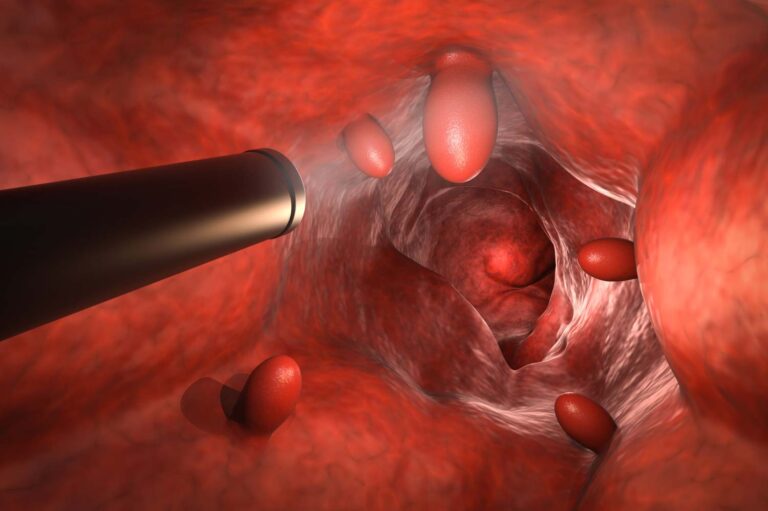
A colonoscopy is a medical and diagnostic procedure that allows doctors to identify rectal and colorectal abnormalities. In a colonoscopy, a flexible tube known as a colonoscopy is inserted into the rectum. This tube is usually ½-inch in diameter with a camera attached at the end. If you’re considering this procedure, it is best to know the cost of a colonoscopy in Singapore.

Understanding Colonoscopy and its Cost In Singapore

In Singapore, you can choose to have a colonoscopy at a public hospital or through private practice. The cost of colonoscopy in public hospitals is typically cheaper compared to private practices. However, a private clinic offers more personal and faster access to the required services.

Wherever you choose to have your colonoscopy, you may expect to spend around $800 to $2,600. This price range is already inclusive of screening and surgery costs after that. 

Fortunately, Singapore’s national medical savings scheme, MediSave, can cover part of the costs of a colonoscopy wherever recommended. You will not have to worry about covering the bulk of these medical costs during a screening.

For screening purposes, guidelines often recommend colonoscopy every ten years starting at age 50 for average-risk individuals. This interval allows for detecting and removing precancerous polyps before they develop into cancer. However, screening recommendations can vary based on individual risk factors and medical history.

For individuals with a family history of colorectal cancer or certain genetic conditions predisposing them to the disease, earlier and more frequent screenings may be advised. This personalised approach helps identify potential risks earlier and enables timely intervention to reduce the likelihood of developing colorectal cancer. 

Healthcare providers assess each patient’s specific risk factors to determine the most appropriate screening schedule according to their individual health needs. Regular discussions with a specialist can ensure that screening strategies are effectively personalised for optimal health outcomes.

For those without health insurance, the cost of colonoscopy in Singapore can be quite high, especially if additional treatments or biopsies are needed during the procedure. Understanding the cost of colonoscopy in Singapore is essential for planning your healthcare expenses, especially if regular screenings are required for high-risk individuals. 

Factors Affecting The Price of Colonoscopy

Type of facility
Private clinics typically charge more due to shorter waiting times and more personalised colonoscopy services. In contrast, public hospitals in Singapore often have lower costs but might involve longer waiting periods.

Extent of the procedure
Colonoscopy costs can increase if polyp removal, biopsies, or other additional procedures are required during the colonoscopy.

Specialist’s experience and qualifications
More experienced and highly qualified specialists may price their colonoscopy services higher for their expertise.

Anaesthesia or sedation
The type and amount of anesthesia or sedation used can influence the price. More extensive or prolonged colonoscopy procedures may require more anesthesia, increasing the cost.

Post-procedure medications
Any required medications after the colonoscopy procedure, such as pain relievers or antibiotics, can add to the total cost.

It’s important to note that colonoscopy cost in Singapore can include additional expenses such as anesthesia, medication, and pre-procedure consultations, which can significantly affect the final bill. The colonoscopy price in Singapore is also influenced by several factors, including the type of facility you choose and the experience of the specialist performing the procedure.

Will the Cost of Colonoscopy Treatment/Surgery Be Covered By Insurance?

Overview of 2024 colonoscopy prices in Singapore

Whether the cost of colonoscopy treatment or surgery is covered by insurance depends on your specific health insurance plan and provider in Singapore. Many insurance policies cover colonoscopy as a preventive measure, especially for individuals over a certain age or those with a family history of colorectal cancer. 

Many insurance providers in Singapore offer partial coverage for colonoscopies, which can help lower the colonoscopy cost in Singapore for patients. However, coverage can vary, and you should review the terms of your insurance policy or speak directly with your insurance provider. Some plans may cover the procedure fully, while others might only cover a portion, leaving the patient responsible for any co-payments or deductibles.

Can I Use Medisave for Colonoscopy Treatment/Surgery?

In Singapore, Medisave can be used to cover the costs of colonoscopy treatment or surgery, provided the treatment is deemed necessary by a medical professional. 

Medisave is a medical savings scheme that helps Singaporeans pay for their healthcare expenses. Patients can use their Medisave funds for various outpatient and inpatient treatments, including colonoscopy, subject to certain withdrawal limits. 

Please check with the healthcare provider for the specific conditions and limits applicable to using Medisave for a colonoscopy.

Conclusion On The Cost Of A Colonoscopy In Singapore

As mentioned, the cost of a colonoscopy in Singapore ranges from $800 to $2,600. With a colonoscopy screening, your doctor will know if you need treatment for rectal abnormalities or colorectal cancer. In some cases, early detection and prevention of colorectal conditions through a colonoscopy can offset the long-term healthcare costs, justifying the colonoscopy cost in Singapore.

By comparing the colonoscopy price in Singapore across different providers, patients can make informed choices based on their healthcare needs and financial situation. Health insurance coverage can play a big role in reducing the colonoscopy in Singapore’s price, especially if the policy includes preventive screenings. If you’re comparing the colonoscopy in Singapore’s price, it’s important to factor in costs for sedation, post-procedure consultations, and any potential follow-up treatments.

Are you looking for a colorectal surgeon in Singapore? Dr Q. M. Leong’s expertise in colonoscopy screenings, colorectal surgeries, haemorrhoids, peptic ulcers, and other gastrointestinal diseases can help. Get in touch with him now for a medical consultation. You may also enquire about other services and other colonoscopy screening costs.

Frequently Asked Questions On The Cost Of A Colonoscopy In Singapore

Yes. After government subsidies are deducted from your medical bill, a colonoscopy may cost an average of $1,500 in Singapore.

Average-risk individuals should be screened for colorectal cancer when they reach the age of 50 and above.

Yes, your doctor will show you the pictures he has taken during the colonoscopy. If polyps have been removed, your doctor will see you again for the histology results.

A colonoscopy procedure may seem daunting for some, but most individuals can tolerate it well. You will be given an intravenous injection to keep you relaxed and comfortable.