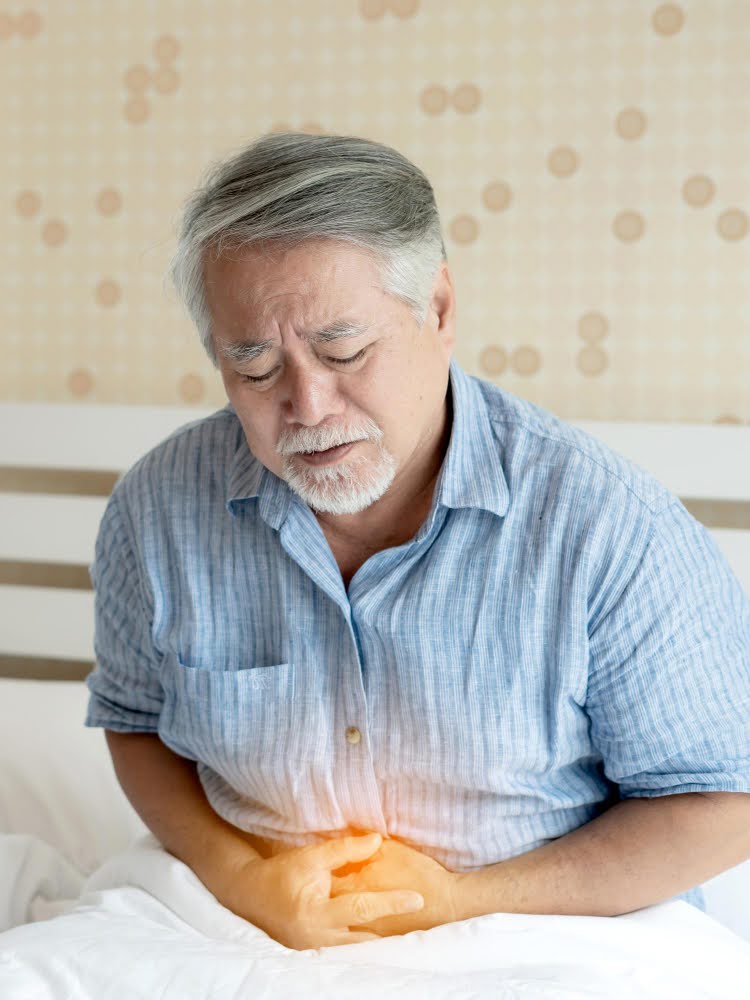
What To Eat With An IBS Attack (Eat This, Not That!) 

Dietary advice for IBS flare-ups

Navigating dietary choices can be daunting, especially during an irritable bowel syndrome (IBS) attack. The answer to what to eat with an IBS attack is not just about selecting food; it’s about comfort, symptom management, and maintaining nutrition without aggravating the gut. The intricate link between our diet and overall well-being cannot be overstated. 

What we consume directly impacts our digestive health, affecting our entire body’s functionality.

Let’s dive into the dietary choices that may help soothe an IBS attack, outline which foods trigger IBS attacks and are best avoided, and provide practical tips for managing IBS symptoms through diet. 


Understanding What Is IBS

Irritable bowel syndrome (IBS) is a chronic condition that impacts the large intestine’s functionality. It manifests through various symptoms that can considerably hinder a person’s quality of life. Individuals with IBS may experience recurrent abdominal pain, bloating, gas, diarrhoea, constipation, or a mix of alternating bowel habits. 

These symptoms can lead to an IBS attack which refers to a sudden and often severe onset of symptoms. While the exact cause of IBS is not fully understood, it is recognised that certain foods and stress can trigger symptoms. 

Managing your IBS, and becoming attuned to the body’s signals is a crucial aspect of living with this syndrome. For people with IBS, identifying and avoiding individual triggers is a fundamental part of managing their condition.

Learning what to eat during IBS flare-ups will greatly improve your overall quality of life. During these periods, the gut becomes especially sensitive and reactive, and choosing the right foods can relieve or worsen IBS symptoms.

Recommended Food Choices During An IBS Flare-Up

An irritable bowel syndrome (IBS) attack can be debilitating, leading to a range of uncomfortable symptoms. Certain foods, however, can provide relief and help manage these symptoms. Not all foods affect people with IBS in the same way, but some general guidelines can help during a flare-up.

Soluble Fiber Foods

Foods rich in soluble fibre can be gentle on the digestive system, slowing down digestion and providing a sense of fullness without the irritation that insoluble fibre might cause. 

Soluble fibre dissolves in water, which forms a gel-like substance that can help constipation and diarrhoea by providing bulk or softening the stool.

Examples include:

      • Barley

      • Psyllium husk (found in various fibre supplements)

      • Lentils 

      • Red or green beans

      • Papayas and bananas

      • Guava

    Incorporating Fibre: To properly integrate soluble fibre into your diet, start with a small amount and increase it slowly over several weeks. 

    This allows your gut bacteria to adapt, minimising the potential for gas and bloating. Additionally, drinking plenty of water can help the soluble fibre work more effectively, easing IBS symptoms.

    Low-FODMAP Foods

    The low-FODMAP diet is specifically designed to reduce the intake of certain sugars that can cause distress in the gut. It is one of the most scientifically backed diets for managing IBS symptoms and is recommended by many healthcare professionals.

    Examples of low-FODMAP foods include:

        • Vegetables: Carrots, choy sum, red bell peppers, spinach, tomatoes

        • Fruits: Grapes, oranges,, strawberries, and pineapple

        • Proteins: Eggs, tofu, and tempeh

        • Grains: Quinoa, rice (brown and white)

      It’s advisable to work with a dietitian when starting a low-FODMAP diet to ensure all nutritional needs are met and to plan a balanced, varied meal plan.

      Lean Proteins

      Lean proteins provide essential nutrients without the added fats that can trigger IBS symptoms. These proteins do not contain FODMAPs and are generally well tolerated by the gut.

      Examples include:

          • Grilled or steamed chicken without skin

          • Fresh fish: (snapper, grouper, cod, patin, threadfin)

          • Plant-based protein sources like quinoa and firm tofu

        It’s best to prepare these proteins without heavy sauces or spices, which can sometimes increase the likelihood of an IBS flare-up.

        Lactose-Free Options

        For people with IBS who are lactose intolerant, lactose can be a significant trigger. Lactose-free products are treated with the enzyme lactase, which breaks down lactose, making them easier to digest.

        Lactose-free alternatives:

            • Lactose-free milk and cheeses

            • Plant-based milk such as almond, soy, or rice milk

            • Yoghurts with live cultures or probiotics can aid in lactose digestion

          Reading labels is essential, as some products may still contain other IBS triggers despite being lactose-free.

          Herbal Teas

          Herbal teas can be a calming choice for the digestive system during an IBS attack. Their warm, soothing nature can provide relief from cramping and bloating.

          Best herbal teas to consider:

              • Peppermint tea: Known for its muscle relaxant properties, which can relieve spasms in the gut.

              • Ginger tea: Aids in digestion and can reduce nausea.

              • Chamomile tea May help reduce stress and has anti-inflammatory properties.

            While herbal teas are beneficial, it’s critical to ensure they’re pure and do not contain high-FODMAP ingredients or artificial sweeteners, which can counteract their soothing effects.

            Managing diet during IBS attacks can also help prevent flare-ups in conditions like ulcerative colitis.


            Foods And Drinks To Approach With Caution

            The wrong food or drink can worsen IBS flare ups and aggravate the gut, leading to increased discomfort and prolonging recovery from an IBS flare-up.

            Here’s an expanded look into the specific items that those with IBS may need to approach cautiously.

            High-FODMAP Foods

            FODMAPs — a collection of molecules found in food that can be hard to absorb — can significantly impact IBS symptoms. 

            Foods high in FODMAPs include certain fruits such as apples and pears, vegetables like cauliflower and mushrooms, grains such as wheat and rye, and legumes like beans and lentils.

            During an IBS attack, these foods cause an osmotic effect which draws water into the intestines and ferments, leading to gas, bloating, and altered bowel movements. Following a low FODMAP diet temporarily can help identify triggers and mitigate IBS flare-ups.

            Dairy Products

            Dairy products, particularly those high in lactose, can be problematic due to the deficiency of the lactase enzyme in many individuals with IBS, leading to lactose intolerance. Consuming milk, cheese, and cream may exacerbate symptoms such as diarrhoea, gas, and bloating.

            Opting for lactose-free dairy or fermented dairy products like yoghurt, which have lower levels of lactose, can sometimes be easier on the digestive system.

            Fried And Greasy Foods

            High-fat meals, especially those that are fried or greasy, can provoke the gastrocolic reflex, the body’s natural response to food entering the stomach, which can be overactive in people with IBS. This can result in urgent bowel movements and diarrhoea.

            Additionally, greasy foods may cause the lower esophageal sphincter to relax, leading to acid reflux, a condition often comorbid with IBS.

            Artificial Sweeteners

            Artificial sweeteners including sorbitol, mannitol, and xylitol are found in many sugar-free processed foods and can lead to increased gas production and diarrhoea. They are polyols — part of the FODMAP group — and can be difficult for the gut to absorb. 

            Substituting these with natural sweeteners or using them sparingly may help manage IBS symptoms during an attack.

            Caffeinated Drinks

            Caffeine is a well-known gastrointestinal stimulant. It can increase gastric secretions and bowel motility, which might be beneficial for some but can provoke diarrhoea and cramps in those with IBS, especially during a flare-up. 

            Reducing or eliminating caffeinated beverages like coffee and softdrinks  may help to keep symptoms in check.

            Alcohol

            The consumption of alcohol can disrupt the normal function of the digestive system, impairing the intestines’ ability to absorb water and increasing the speed of digestion, which often leads to diarrhoea. Furthermore, alcohol can inflame the gastrointestinal lining, worsening IBS symptoms. 

            It is best to limit or avoid alcohol, especially during an IBS attack, to maintain a calm digestive environment.

            Spicy Foods

            Capsaicin, the active component in many spicy foods, can irritate the mucous membranes of the digestive tract. 

            For people with IBS, this can mean an increase in IBS symptoms such as abdominal and back pain, bloating, and diarrhoea. During IBS attacks, it may be wise to stick to bland, non-spicy meals until symptoms subside.

            If you’re experiencing gastric discomfort, it might be related to conditions such as IBS or even gastric polyps.

            Conclusion On What To Eat With IBS Attacks

            It’s important to listen to your body and recognise which foods worsen Irritable Bowel Syndrome symptoms. Managing an IBS attack involves a cautious approach to a healthy diet, focusing on foods that are easy to digest and steering clear of known triggers.

            Remember that a low FODMAP diet is often recommended, but it should be personalised based on your tolerances.

            For those who are struggling to manage their IBS symptoms or find the right dietary balance, consulting with a healthcare provider like Dr Leong Quor Meng can provide you with tailored advice and support to improve your overall digestive health.

            Schedule a consultation today!


            Frequently Asked Questions On What To Eat With An IBS Attack

            Can Drinking More Water Help During An IBS Attack? 

            Yes, staying hydrated is important, especially if you are experiencing diarrhoea, which can lead to dehydration. Water can help flush out irritants and support digestive health, but it’s best to sip slowly to avoid triggering further stomach discomfort.

            How Long After An IBS Attack Should I Wait Before Reintroducing Regular Foods? 

            The duration can vary from person to person. It’s best to reintroduce foods gradually over several days once symptoms have subsided. Starting with low-FODMAP, easily digestible foods is a sensible approach, and observe how your body reacts.

            Are Probiotics Beneficial During An IBS Attack? 

            Probiotics can be beneficial for IBS as they help maintain the balance of good bacteria in the gut. However, during an attack, it’s important to choose probiotics carefully and start with a low dose, as they can sometimes initially increase gas and bloating.

            Can I Eat Rice During An IBS Attack? 

            Plain white rice is usually well-tolerated during an IBS attack as it is low in FODMAPs and is a source of easily digestible carbohydrates. It’s a good option to help settle your stomach and add into a low fodmap diet without causing additional stress to the digestive system.

            Is It Important To Follow A Strict Diet Plan For IBS?

            While there’s no one-size-fits-all diet for IBS, following a plan such as the low FODMAP diet, which limits certain carbohydrates, can help identify triggers and alleviate symptoms. 

            It’s generally recommended to work with a healthcare professional or dietitian to create a personalised diet plan based on your specific IBS symptoms.

            How Quickly Can Diet Changes Impact IBS Symptoms?

            The impact of diet changes on IBS symptoms can vary from person to person. Some individuals may notice improvements within a few days, while for others, it may take a few weeks of consistent dietary adjustments to see significant changes in their symptoms. It’s important to give your body time to adjust to these changes and monitor your symptoms closely.

            Colorectal Surgeon Or Gastroenterologist For Colonoscopy 

            Choosing between a colorectal surgeon and a gastroenterologist

            Choosing the right medical professional for a colonoscopy is crucial for accurate diagnosis and treatment. Often, patients face a decision between a gastroenterologist or colorectal surgeon for colonoscopy, and understanding the distinct roles of these specialists is key to making an informed choice.

            This article aims to clarify the differences and delineate the expertise of colorectal surgeons and gastroenterologists, particularly in colon cancer screening and other conditions affecting the colon and rectal areas.


            Understanding The Colonoscopy

            A colonoscopy screening is categorised as both a screening and diagnostic tool for colon health. The doctor uses a thin, flexible tube called a colonoscope that has a small camera on the end to check for things like swollen, irritated tissues, polyps, or cancer.

            The colonoscope is gently guided through the gastrointestinal tract, providing real-time video images that allow the physician to look for abnormalities within the colon.

            The colonoscopy process generally involves a bowel preparation phase where the patient must cleanse their colon. During the procedure, the patient is usually sedated for comfort, and the colonoscope is inserted through the rectum. 

            As it moves along the colon, the physician can identify and sometimes extract precancerous colon polyps , take biopsies, and detect early signs of colon cancer.

            While the procedure is often done for screening, it can also be therapeutic in removing polyps before they become cancerous.

            A colorectal surgeon may also help differentiate conditions like colon cancer from symptoms such as lower back pain.


            What Is A Gastroenterologist?

            A gastroenterologist is a physician who has undergone further training and thus specialises in the diagnosis and treatment of gastrointestinal tract disorders. This includes the entire pathway from the mouth to the anus, encompassing organs such as the oesophagus, stomach, small intestine, large intestine (colon), and rectum.

            Gastroenterologists undergo extensive training in internal medicine before specialising in gastroenterology, which includes in-depth knowledge of GI diseases, endoscopic procedures, and the management of GI health.

            Their expertise lies in understanding the complex physiology of the gastrointestinal system and the wide range of disorders that can affect it, from inflammatory bowel disease and irritable bowel syndrome to peptic ulcers and GI cancers.

            For a procedure like a colonoscopy, a gastroenterologist is proficient in not only performing the endoscopy but also interpreting the findings and managing any non-surgical treatment related to the diagnosis.

            A gastroenterologist or colorectal surgeon can help identify symptoms common to appendicitis and related gastrointestinal issues.


            What Is A Colorectal Surgeon?

            A colorectal surgeon, also known as a coloproctologist, specialises in the surgical treatment of diseases of the colon, rectum, and anus. Their expertise extends to the management of conditions such as colorectal cancer, diverticulitis, and anorectal disorders, and inflammatory bowel diseases including ulcerative colitis and Crohn’s disease.

            Colorectal surgeons complete a general surgery residency followed by additional training in colon and rectal surgery.

            While both colorectal surgeons and gastroenterologists are adept at performing colonoscopies, the colorectal surgeon’s training is valuable when the situation demands surgical intervention such as for treating complex conditions or complications discovered during the procedure.

            They are proficient in the operative techniques that may follow a diagnostic colonoscopy, especially in cases where immediate surgical action is required, such as removing large polyps or cancerous growths.

            Gastroenterologist Or Colorectal Surgeon For Colonoscopy: Making The Choice

            When faced with the need for a colonoscopy, patients often encounter the choice between consulting a gastroenterologist or a colorectal surgeon. 

            Both specialists are adept at performing colonoscopies, yet they bring different expertise and focus to the procedure. Understanding the major similarities and differences between the two can significantly impact your decision-making process.

            Before delving into these factors, it’s important to consider that this choice should be tailored to the individual based on several key considerations.

            Similarities And Differences

            Similarities:

            1. Training: A colorectal surgeon and a gastroenterologist have both extensive training in the lower digestive tract.
            2. Procedure expertise: They are qualified to perform invasive treatments such as colonoscopies, which can be used for similar conditions such as detecting intestinal bleeding, colorectal cancer, anal fissures, and other gastrointestinal diseases.
            3. Diagnostic ability: Both can diagnose issues within the colon and rectum and take biopsies as needed during the procedure.

            Differences:

            1. Surgical training: Colorectal surgeons have specialised training in surgical procedures for the colon and rectum. At the same time, gastroenterologists focus on treating gastrointestinal diseases with medications and are unable to perform surgeries if necessary.
            2. Follow-up care: Post-procedure, if a surgical intervention is required, colorectal surgeons can seamlessly transition to that role, whereas a gastroenterologist would typically refer you to a surgeon.

            Considerations Before Making The Decision Between Colorectal Surgeons And Gastroenterologists

            Choosing between a colorectal surgeon and a gastroenterologist for your colonoscopy involves more than just picking a specialist; it requires careful thought based on individual health needs. Here are several considerations to weigh before making an informed decision on which type of physician is best suited for your particular situation.

            Medical History

            Your past medical history is pivotal in this choice. If you have a history of complex colon or rectal diseases, such as significant polyps, inflammatory bowel disease, or previous abdominal surgeries, a colorectal surgeon may be more suited to manage potential complications.

            Purpose Of Colonoscopy

            The intended outcome of your colonoscopy could sway your decision. For diagnostic purposes, such as unexplained bleeding, changes in bowel habits, or screening to diagnose colon cancer, both specialists can provide care. However, only colorectal surgeons can perform surgery when required.

            If there’s a high likelihood of requiring immediate surgical intervention post-procedure, consulting a colorectal surgeon could be advantageous.

            Hospital Or Clinic Protocol

            Some medical facilities have specific protocols determining who performs colonoscopies. It’s essential to inquire about these protocols as they may influence your choice or provide recommendations based on your health needs.

            Availability And Accessibility

            The availability of specialists might affect your decision. In some areas, it may be easier to schedule an appointment with a gastroenterologist than a colorectal surgeon, or vice versa. It’s also worth considering the location of the clinic or hospital and whether it’s accessible to you for follow-up appointments if necessary.

            Personal Preference

            Lastly, personal preference should not be overlooked. Comfort with your physician, their bedside manner, and confidence in their expertise all contribute to a satisfactory healthcare experience.

            Conclusion On Colorectal Surgeon Or A Gastroenterologist For Colonoscopies

            In conclusion, both colorectal surgeons and gastroenterologists can perform colonoscopies with high levels of competence. 

            The decision rests on nuanced factors such as medical history, the purpose of the procedure, protocols of the chosen medical facility, and your comfort and preference. When considering a specialist for a colonoscopy, assess your individual health needs carefully and consult with healthcare professionals to make an informed decision.

            If you find yourself in need for colorectal surgery particularly for conditions directly related to the colon and rectum, engaging with a professional healthcare provider is advisable. Dr. QM Leong stands as a trusted colorectal surgeon with a commitment to providing comprehensive care tailored to your health concerns.

            Schedule a consultation today!!


            Frequently Asked Questions About Colorectal Surgeon Or A Gastroenterologist

            What Type Of Doctor Treats Colon Problems?

            Colorectal surgeons and Gastroenterologists are the specialists who treat colon problems. They are experts in the digestive system and focus on the health of the gastrointestinal tract, including the colon.

            How Often Should I Have A Colonoscopy? 

            The frequency of colonoscopies depends on individual risk factors such as age, family history of colon cancer, personal health history, and findings from previous colonoscopies. Typically, it’s recommended to have routine colon screening examinations every ten years starting at age 45 for those with average risk.

            What Is The Recovery Time After A Colonoscopy? 

            Recovery from a colonoscopy is usually quick. Most patients feel fine after the effects of sedation wear off, generally within a few hours, although they’ll need someone to drive them home after the procedure.

            Are There Any Risks Associated With A Colonoscopy? 

            While generally safe, colonoscopies carry a small risk of complications such as bleeding, especially if tissue is removed for biopsy and perforation of the colon wall, which is rare. However, you can expect a little bit of discomfort and abdominal pain after a colonoscopy.

            What Should I Expect During A Colonoscopy Preparation? 

            Preparation for a colonoscopy typically involves following a special diet several days before the procedure and taking a laxative solution to cleanse the colon. Detailed instructions are provided by your healthcare provider.

            Will I Be Asleep During A Colonoscopy? 

            Most colonoscopies are performed under sedation, which means you’ll be very relaxed and may not remember the procedure, but you’re not fully asleep as with general anaesthesia.

            Hard Lump On Rectum: Causes, Treatment, Prevention 

            Causes of hard lumps in the rectum

            Discovering a hard lump on the rectum can be an alarming experience. Individuals may notice discomfort during bowel movements, occasional bleeding, itching, or pain.

            In this article, we’ll explore and understand the potential causes of a hard lump in the anal area, guiding you through each possibility with clarity and providing peace of mind.


            Common Causes Of A Hard Lump On The Rectum

            When it comes to a hard lump on the rectum, the causes are diverse, ranging from benign and easily treatable conditions to more serious medical issues. Below, we will explore the common causes behind such lumps and the nuances of each condition.

            Haemorrhoids

            Haemorrhoids, or piles, are engorged blood vessels that form either inside the rectum (internal haemorrhoids) or just under the skin around the anus (external haemorrhoids).

            These can cause discomfort, itching, pain, and bleeding, particularly during difficult bowel movements. Straining, increased pressure from pregnancy, or chronic constipation can lead to their development.

            External haemorrhoids can be felt as hard lumps, especially if a blood clot has formed within them, a condition known as thrombosed haemorrhoids, which can be particularly painful and may require medical treatment.

            Anal Abscess

            An anal abscess is a painful condition where a collection of pus develops typically due to a sexually transmitted infection, typically in the anal glands. It is characterised by a swollen, red, and tender lump around the anal area, which can cause severe pain, discomfort while sitting, fever, and felling of general unwellness.

            Anal abscesses require prompt medical attention, and treatment usually involves surgical drainage to relieve the buildup of pus and alleviate the pain.

            Anal Fissure

            An anal fissure refers to a small tear or cut in the lining of the anus, which can cause sharp pain during and after bowel movements, bleeding, and a hard lump if it results in a sentinel pile (a skin tag that can develop at the edge of a fissure).

            Chronic fissures can lead to a cycle of pain and bleeding. They are typically caused by passing hard stools but can also be a result of other conditions like Crohn’s disease or childbirth.

            Anal Cancer

            Anal cancer is a less common form of cancer that occurs in the anal canal. It may present initially as a small, often unnoticed lump, which can become harder and more pronounced over time. Symptoms might include bleeding, pain, a change in bowel habits, or itching around the anus.

            If the cancer progresses without detection, it can lead to significant health problems, emphasising the importance of early diagnosis and treatment.

            Perianal Cysts

            Perianal cysts, such as pilonidal cysts or epidermoid cysts, occur in the tissue around the anus and can be felt as hard lumps. They might not cause symptoms until they become infected or inflamed, at which point they can be painful and might discharge pus or fluid.

            These cysts can arise from skin trauma, blocked glands, or hairs embedded in the skin.

            Anal Warts

            Anal warts, medically known as condyloma acuminata, are caused by the human papillomavirus (HPV). They can grow within and around the anal canal and are felt as lumps. In the worst cases, they may cover the entire anal area.

            These warts can vary in size and may be smooth or rough to the touch. While they can cause discomfort, they are often not painful unless irritated or infected.

            Anal Fistulas

            An anal fistula is like a small tunnel that develops between the end of the bowel and the skin near the anus. They often result from an infection that starts in an anal gland.

            This can result in a hard lump due to chronic inflammation and may intermittently drain pus or faecal matter, causing irritation, discomfort, and potential for infection. They often result from an infection that starts in an anal gland.

            Perianal Hematoma

            A perianal hematoma is a collection of blood in the tissues surrounding the anus, often resulting from a ruptured blood vessel typically caused by straining or trauma. This can create a lump that feels hard and is usually very painful.

            These hematomas can resolve spontaneously but might require surgical intervention if they are large or excessively painful.

            Rectal Prolapse

            Rectal prolapse involves the rectum turning inside out and protruding through the anus, resulting in a lump that can be felt and seen outside the body. This condition can lead to difficulty with bowel movement and leakage of stool or mucus.

            Multiple factors, including chronic constipation, childbirth, and weakening of the pelvic floor muscles can cause it.

            Anal Skin Tags

            Skin tags around the anus are small, soft pieces of hanging skin that may develop from friction, haemorrhoids, inflammatory bowel disease, or other anal traumas. While they typically do not cause pain unless irritated, they can be mistaken for warts or other growths.

            They can be a nuisance, particularly with hygiene and comfort.

            Molluscum Contagiosum

            Though less commonly found on the rectum, Molluscum contagiosum is a viral infection that causes small pearly or flesh-coloured bumps. These bumps can become hard and may be mistaken for warts. They are typically painless but can cause itching or tenderness in the affected area.

            If you notice molluscum contagiosum in the genital or perianal regions, it may be classified as a sexually transmitted infection. Should you have concerns about potential symptoms, it’s important to seek advice from a healthcare professional for proper diagnosis and treatment.
            Molluscum contagiosum is highly contagious. If diagnosed, avoid direct skin-to-skin contact or contaminated objects as it is heavily contagious.

            A hard lump in the rectum could be a sign of colon cancer, which often presents with symptoms such as abdominal discomfort.

            Treatment Options For Hard Lumps On The Rectum

            Before delving into treatment options, it’s important to note that these recommendations are for the most frequently encountered anal lumps in clinical practice.

            Some conditions, such as anal cancer and rectal prolapse, necessitate more serious medical interventions and should be managed by healthcare professionals.

            Haemorrhoids: For internal haemorrhoids, treatment may involve over-the-counter creams, warm baths, and dietary changes to alleviate symptoms. In more severe cases, procedures like rubber band ligation or surgery may be necessary.

            Anal Fissures: Initial treatment typically includes stool softeners and topical anaesthetics to reduce pain during bowel movement.

            Chronic fissures may require topical nitroglycerin or Botox injections to relax the anal muscles.

            Perianal Hematoma: Small hematomas often resolve with conservative measures such as cold compresses and pain relief medications. Larger ones might need to be drained surgically.

            Anal Warts: Caused by human papillomavirus (HPV), anal warts can be treated with topical medications, cryotherapy, or surgical removal, depending on their size and extent.

            Skin Tags: Anal skin tags are usually harmless and may not require treatment unless they cause discomfort or hygiene issues, in which case they can be removed surgically.


            General Recommendations And Home Remedies

            If you’re dealing with discomfort from a hard lump on your rectum, there are several home remedies and general recommendations that might provide relief:

            • Apply a cold compress to reduce swelling and discomfort.
            • Soak in a warm bath, known as a sitz bath, to ease pain and promote healing, especially after bowel movements.
            • Increase fibre intake and stay hydrated to soften stools and minimise straining.
            • Use over-the-counter pain relievers, such as acetaminophen or ibuprofen, for pain management.
            • Maintain good hygiene in the anal area, but avoid harsh soaps or scrubbing that can irritate the skin.

            Prevention Strategies For Hard Lumps On The Rectum

            Prevention is often more manageable than treatment. By taking certain precautions, one can reduce the risk of developing lumps in the anal area.

            Dietary Habits: A diet high in fibre can facilitate smoother bowel movements, which puts less pressure on the anal tissues. Consuming plenty of water and eating fruits, vegetables, and whole grains can prevent constipation, thereby reducing the risk of haemorrhoids and associated anal tags.

            Toilet Hygiene: Proper hygiene in the anal area is crucial. Gentle cleaning, avoiding harsh scrubbing or irritants, and ensuring the area is dry can prevent irritation and infection, which might lead to more anal bleeding, fistulas or warts.

            Lifestyle Choices: Regular exercise can improve bowel function, reducing the strain during bowel movements. Avoiding prolonged sitting, especially on the toilet, can also minimise pressure on the anal region.

            Regular Medical Check-Ups: Routine check-ups that include procedures like a colonoscopy screening with a licensed colorectal surgeon can catch issues like anal lumps early on. If you notice a hard lump, it’s vital to have it evaluated, as early detection can be crucial, especially in cases like anal cancer.


            What To Do When You Discover A Lump In Your Rectum

            If you discover a hard lump in your rectal area, it’s essential to monitor the lump for changes in size, colour, or pain level.

            Do not attempt to self-diagnose, as this can lead to a worsening of the condition or a diagnosis of a more serious issue.

            Instead, consult with a healthcare provider who can offer a proper assessment and, if needed, a biopsy or other diagnostic tests to rule out conditions like anal cancer or Molluscum contagiosum.

            Early detection and treatment are key for the best outcomes in managing any health concerns related to lumps in the anal region.

            When To Seek Medical Attention

            It is crucial to be vigilant about changes in your body. Here are signs that necessitate immediate medical attention:

            1. Persistent or Growing Lump: If a hard lump persists beyond a few days or continues to grow, it could signal an underlying condition that needs treatment.
            2. Pain or Discomfort: Severe or worsening pain, especially during bowel movements, could indicate an abscess or other issues that require medical intervention.
            3. Changes in Bowel Habits: Persistent changes in bowel habits, accompanied by the presence of a lump, may be symptomatic of internal conditions such as IBD or even anal cancer.
            4. Bleeding: Any bleeding from the anal lump is a sign that you should consult a healthcare provider, as this could be a symptom of haemorrhoids or something more serious like cancer.
            5. Associated Symptoms: Symptoms like fever, unexplained weight loss, or night sweats alongside a rectal lump could suggest infection or systemic conditions.

            Each of these symptoms can vary in intensity, underlying cause, and implication, but they all share one common recommendation: seek medical advice.

            Seeing a colorectal surgeon may be necessary if you find a hard lump in your rectum, as they specialize in diagnosing conditions like colon cancer.


            Conclusion About A Hard Lump On The Rectum

            In conclusion, while anal lumps such as internal haemorrhoids, anal tags, and Molluscum contagiosum are often benign, the presence of a hard lump in the anal area should be taken seriously. 

            Anal warts and anal fistulas are conditions that, alongside others, require a comprehensive evaluation by a healthcare professional. Remember, timely diagnosis and intervention are key to managing and treating any rectal lump effectively. 

            If you detect a hard lump on or around your anus or rectum or experience any of the symptoms above, it is prudent to contact a healthcare provider such as colorectal surgeons like Dr. QM Leong to rule out conditions such as anal cancer and ensure appropriate care.

            Schedule a consultation today.


            Frequently Asked Questions About A Hard Lump On The Rectum

            Are Anal Warts A Serious Concern?

            While anal warts themselves are not typically serious and are caused by HPV, they can be uncomfortable and sometimes lead to more significant hygiene issues. It is also crucial to monitor them, as the HPV strains associated with anal warts can be linked to a higher risk of anal cancer.

            How Are Internal Haemorrhoids Different From External Ones?

            Internal haemorrhoids form inside the rectum with fewer pain-sensing nerves, so they’re often less painful than external haemorrhoids. However, they can still cause bleeding and discomfort, especially during bowel movements.

            Can A Hard Lump On The Rectum Be Cancerous?

            Yes, a hard lump on the rectum can be a sign of anal cancer, although it’s less common than other causes. Symptoms might include bleeding, pain, or a persistent lump. Early detection through medical evaluation is vital for the best outcomes.

            What Are Anal Tags, And Do They Require Treatment?

            Anal tags are small, soft skin flaps that remain after the healing of an anal fissure or haemorrhoid. They are benign and typically don’t require treatment unless they cause discomfort or hygiene issues.

            What Does A Haemorrhoid Feel Like To The Touch?

            A hemorrhoid typically feels like a soft, tender lump near the anal area. It may feel swollen and can be uncomfortable or painful to touch, especially during flare-ups.

            How Can You Tell If A Hard Lump On The Rectum Is A Haemorrhoid?

            To determine if a hard lump on the rectum is a hemorrhoid, look for signs such as location (near the anal opening), tenderness, and whether it feels swollen or rubbery. However, it’s important to consult a healthcare provider for an accurate diagnosis, as other conditions can mimic haemorrhoids.

            Can IBS Cause Back Pain? (Shoulder Blades, Upper/Lower/Left)

            Understanding IBS-associated back pain

            In understanding the complex relationship between how the body reacts to underlying causes, it is essential to consider how seemingly unrelated conditions may influence each other. Among such conditions, irritable bowel syndrome (IBS), a prevalent gastrointestinal disorder, stands out due to its complexity and range of symptoms.

            One question that often arises is whether IBS can extend its impact beyond the abdomen, potentially leading to back pain. 

            Specifically, concerns about whether or not IBS can cause upper back pain are not uncommon among individuals seeking to understand the varied IBS symptoms.

            This article delves into the relationship between IBS and back pain, providing insight into this multifaceted condition and its manifestations.


            What Is IBS?

            Irritable Bowel Syndrome, or IBS,  is a disorder characterised by symptoms that affect the large intestine, causing discomfort and altering bowel habits. Commonly reported IBS symptoms include abdominal pain, bloating, and either diarrhoea or constipation.

            These symptoms can ebb and flow over time, varying in intensity and frequency among those affected.

            What Causes IBS?

            The exact cause of IBS is not definitively known; however, several factors may play a role. These include:

            • Intestinal Muscle Contractions: Variations in the movement of your intestines as it moves food through the digestive tract can lead to IBS symptoms. Overactive contractions can cause gas, bloating, and diarrhoea, while weak contractions can slow food passage, leading to hard, dry stools.
            • Nervous System Abnormalities: Anomalies in the nerves in the digestive system may affect the gut brain connection and cause greater discomfort when the abdomen stretches from gas or stool. Poor communication between the brain and intestines can cause the body to abnormally react to changes that occur in the digestive process, leading to pain, diarrhoea, or constipation.
            • Inflammation in the Intestines: Some people with IBS show increased immune-system cells in their intestines, indicating an inflammatory response.
            • Severe Infection: IBS can also arise after a severe bout of diarrhoea (gastroenteritis) caused by bacteria or a virus. IBS might also be associated with a surplus of bacteria in the intestines (bacterial overgrowth).

            Changes in Microflora: Microflora are the ‘good’ bacteria that reside in the intestines and play a key role in health. Research suggests that microflora in people with IBS might differ from those in healthy individuals.

            Can IBS Cause Lower Back Pain? What’s The Connection? 

            The short answer is yes. While IBS is primarily associated with discomfort in the abdominal area, it’s not uncommon for individuals to experience referred pain in different areas of the body, including the back. 

            Referred pain occurs when the nerve fibres from regions of high sensory input, such as the gut, share pathways with nerve fibres from other regions, like the back.

            This can result in IBS pain being felt elsewhere, including the back.

            Back Pain Often Associated With IBS

            Exploring the patterns of back pain experienced by people with IBS can aid in recognising and addressing this aspect of the disorder as well as tailor the necessary treatment options.

            IBS And Shoulder Blade Pain

            Pain felt in the shoulder blades area can be a less recognised companion of IBS. While the mechanisms are unclear, this type of pain may be associated with the distension of the bowel or visceral hypersensitivity—a heightened pain sensation in the internal organs—a known feature of IBS.

            IBS And Upper Back Pain

            Although less common than lower back pain, some individuals with IBS do experience upper back pain. This could be attributed to the accumulation of gas and bloating, which may exert pressure on back muscles and nerves, leading to discomfort.

            IBS And  Lower Back Pain

            Lower back pain is one of the most common complaints among people with IBS. The proximity of the bowel to the lower back means that any inflammation or disturbance in the bowel can potentially affect the lower back muscles and nerves. However, you should pay attention to symptoms as lower back pain can also be a sign of more serious diseases like colon cancer.

            IBS And  Left-Sided Back Pain

            IBS can sometimes manifest as pain on the left side of the back. This is because the colon spans the left side of the abdominal cavity, and issues in this area can manifest as pain in the back on the same side.


            Factors That Worsen  Back Pain in IBS Sufferers

            Irritable Bowel Syndrome (IBS) can significantly impact the quality of life, and for many, it’s intricately linked with back pain. Understanding the factors that exacerbate back pain in IBS sufferers is crucial for managing and alleviating these often-debilitating symptoms.

            Stress

            Stress is a well-known trigger for IBS symptoms, and it can also make back pain worse. The body’s stress response can cause muscle tension, including the muscles in the back, which can aggravate pain. Moreover, for people with IBS, stress-related anxiety can increase the perception of pain.

            Posture

            Poor posture may not directly cause IBS pain, but for people with IBS, slouching or hunching over can put additional pressure on the abdomen. This can intensify abdominal discomfort, which may, in turn, lead to or increase back pain.

            Overlap With Other Conditions

            Some individuals with IBS may have overlapping conditions, such as fibromyalgia, which is associated with chronic pain throughout the body, including the back. Additionally, conditions like interstitial cystitis can co-exist with IBS and contribute to back pain.

            Other factors that may contribute include physical inactivity and the use of medications that may cause back pain as a side effect:

            Differences In IBS Symptoms Between Men And Women

            IBS can manifest differently between the sexes due to variations in hormones, pain perception, and social factors.

            Bloating And Constipation

            Women may experience more bloating and constipation-predominant IBS due to hormonal fluctuations throughout the menstrual cycle that affect gut motility, potentially slowing it down. 

            They also tend to have a higher sensitivity to pain and bloating because of differences in visceral pain perception. Additionally, a generally slower gastrointestinal transit time in women compared to men can contribute to these symptoms.

            Diarrhoea 

            Men may report more diarrhoea-predominant IBS potentially due to faster gastrointestinal transit times, which is sometimes observed in males compared to females. 

            Additionally, social and cultural factors might influence reporting habits, with men potentially being less likely to report symptoms of constipation but more forthcoming about diarrhoea. 

            There’s also a possibility that testosterone influences gut motility differently than female sex hormones, though the exact mechanisms require further research.

            Hormonal Fluctuations

            Hormone fluctuations during the menstrual cycle can affect IBS symptoms. Many women report a worsening of their IBS symptoms, such as abdominal pain and bloating, during certain phases of their menstrual cycle, particularly right before and during their period. 

            Back Pain

            Women are more likely to report referred pain, including back pain partly due to the influence of sex hormones like oestrogen and progesterone, which can affect pain perception and gut motility. 

            The menstrual cycle often worsesn IBS symptoms, potentially increasing the sensitivity to pain not just in the abdominal region but in the musculoskeletal system as well.

            Individuals must monitor their own symptoms and seek medical advice, as IBS can present uniquely in everyone.

            Treatment For IBS Symptoms

            While IBS is a chronic condition with no known cure, it is certainly treatable. Treatment options are tailored to each individual and often involve a combination of dietary changes, medication, and psychological therapies. 

            Probiotics, antispasmodics, and laxatives or antidiarrheal medications are commonly used to manage IBS symptoms. 

            For some, low-dose antidepressants may be prescribed to alleviate pain. They act on the central and enteric nervous systems, which regulate the digestive tract. 

            These medications can modify the pain perception by increasing the levels of neurotransmitters, such as serotonin and norepinephrine, in the brain and gut, which helps to reduce the sensation of pain

            Disclaimer: This information is provided for educational purposes only and is not intended to serve as medical advice, diagnosis, or treatment. The management of IBS should be personalised and conducted by a qualified healthcare professional. 

            Always seek the guidance of your doctor or other qualified health provider with any questions you may have regarding a medical condition. Never disregard professional medical advice or delay seeking it because of something you have read here.

            Tips For A Healthy Colon And A Pain-Free Back

            Managing IBS and associated back pain involves a multifaceted approach focused on lifestyle adjustments, dietary changes, and proactive treatments. Here’s a deeper dive into strategies that may help in maintaining a healthy colon and reducing the incidence of back pain.

            Diet

            The role of diet in IBS management is crucial. Here are several dietary tips:

            • Low-FODMAP Diet: Adopting a diet low in FODMAPs can significantly reduce symptoms of IBS, as these carbohydrates can be difficult to digest for some people. This includes limiting wheat, onions, garlic, and certain fruits.
            • High-Fiber Foods: Incorporate soluble fibre into your diet gradually to help with IBS symptoms, especially if you have constipation-predominant IBS. Soluble fibre is found in foods like oats, carrots, and apples.
            • Hydration: Drink plenty of water throughout the day, as proper hydration can help with digestion and prevent constipation.
            • Probiotics: Including probiotics in your diet, whether through supplements or fermented foods like yoghurt and kefir, may help in balancing gut bacteria and reducing IBS symptoms.

            Exercise

            Regular physical activity is beneficial for overall gut health and can help alleviate both IBS symptoms and back pain.

            • Low-Impact Activities: Engage in low-impact exercises such as walking, swimming, or cycling, which can improve bowel movements without straining the back.
            • Core Strengthening: Exercises that strengthen the core can support the back, improve posture, and possibly reduce referred pain from the abdomen.
            • Stretching and Flexibility: Regular stretching or yoga can improve flexibility, reduce stress, and prevent muscle stiffness that can contribute to back pain.

            Medication

            Medication should always be used under the guidance of a healthcare provider, but here are common options:

            • Fiber Supplements: If dietary changes are insufficient, fibre supplements might be recommended.
            • Antispasmodics: These can help relieve abdominal pain and cramping by relaxing the muscles in the gut.
            • Pain Relievers: For back pain, over-the-counter pain relievers may be suggested, but it’s important to use them cautiously, as some can irritate the gut.

            Complementary Therapies

            In addition to conventional treatments, alternative therapies can offer relief:

            • Acupuncture: This ancient practice can help in managing pain and reducing stress.
            • Massage Therapy: Regular massage can release tension in the back muscles, alleviate stress, and improve circulation.
            • Mindfulness and Relaxation Techniques: Meditation, deep breathing exercises, and progressive muscle relaxation can help manage the stress that may exacerbate IBS and back pain.

            Lifestyle Changes

            Lastly, lifestyle modifications can play a vital role:

            • Stress Management: Since stress can trigger or worsen IBS and back pain, strategies like cognitive-behavioural therapy, mindfulness, or even hobbies that relax you can be effective.
            • Sleep Quality: Ensure you get enough sleep, as lack of sleep can aggravate IBS symptoms and pain.
            • Posture: Maintain good posture, especially if you have a sedentary job. The use of ergonomic chairs can help alleviate the pressure on your back. 

            By incorporating these tips, individuals with IBS can often find relief from their gastrointestinal and back pain symptoms.

            Disclaimer: This information is provided for educational purposes only and is not intended to serve as medical advice, diagnosis, or treatment. The management of IBS should be personalised and conducted by a qualified healthcare professional. 

            Always seek the guidance of your doctor or other qualified health provider with any questions you may have regarding a medical condition. Never disregard professional medical advice or delay seeking it because of something you have read here.


            Conclusion On Whether IBS Can Cause Back Pain (Upper/Lower/Left Side, Shoulder Blades)

            In conclusion, while IBS primarily affects the bowel, it can also be a contributor to back pain, particularly lower back pain, and in some cases, even upper back pain. This is often due to the complex interplay of referred pain, body mechanics, and the overlap of associated conditions.

            If you are experiencing symptoms of IBS alongside persistent back pain, it is essential to engage with a specialised healthcare provider like Dr. QM Leong. They can help tailor a treatment plan that addresses both your digestive health and musculoskeletal well-being, aiming for an improved quality of life.

            Schedule a consultation today.


            Frequently Asked Questions On IBS And Back Pain

            Do Anti-Inflammatory Medications Help With IBS Back Pain? 

            Anti-inflammatory medications are not typically used to treat IBS-related back pain, as IBS is not an inflammatory condition, and such medications may irritate the gut.

            Should I Avoid Weightlifting If I Have IBS And Back Pain? 

            Weight lifting should be approached with caution if you have IBS and back pain; consult with a healthcare provider or a physical therapist to create a suitable exercise regimen.

            Is IBS The Same As Inflammatory Bowel Disease (Ibd)?

            Although they share some similar physical symptoms, no, IBS is not the same as Inflammatory Bowel Disease (IBD). 

            IBS is a functional disorder that affects how the bowel works without causing inflammation or tissue damage, whereas IBD, which includes Crohn’s disease and ulcerative colitis, involves chronic inflammation of the gastrointestinal tract and can lead to serious complications. The two conditions have different causes, treatments, and implications for overall health.

            Is IBS Curable?

            Currently, there is no cure for Irritable Bowel Syndrome (IBS), but its symptoms can be managed effectively through a combination of dietary changes, medications, and lifestyle adjustments. Treatment is tailored to each individual’s symptoms and triggers, helping many to lead normal, symptom-free lives.

            What Is The Best Exercise For Relieving Back Pain Symptoms Due To IBS?

            Gentle, low-impact exercises like yoga and Pilates are often recommended for relieving back pain associated with IBS. These exercises focus on stretching, strengthening, and relaxing the muscles, which can help alleviate pain and improve overall body function.

            Can A Colonoscopy Detect Stomach Cancer? 4 Critical Facts 

            Stomach cancer, also known as gastric cancer, is a significant health challenge globally. This disease can be deadly if not detected and treated early, and it primarily targets the stomach’s inner lining. According to the NIH, stomach cancer is the fifth most common cancer in the world, and the fourth leading cause of death.

            On the other hand, a colonoscopy is a diagnostic procedure primarily used to inspect the inner lining of the colon and rectum. Its primary purpose is to identify and sometimes treat issues within the colon and rectum.

            So, the question becomes, can a colonoscopy detect stomach cancer? This article clarifies whether a colonoscopy can detect stomach cancer and suggests why your doctor might recommend this procedure.

            1. Can A Colonoscopy Detect Stomach Cancer?

            To put it simply, a colonoscopy is designed to detect diseases of the colon and rectum, primarily colorectal cancer or colon cancer, and not specifically stomach or gastric cancer. While the scope might visualise the very end of the stomach, it is not the recommended tool for stomach cancer screening.

            Even though it does not assess the stomach directly, a colonoscopy procedure in Singapore is to identify abnormalities in the colon and rectum can still play a role in diagnosis by ruling out lower gastrointestinal issues. Consequently, it remains a key tool in detecting cancer, especially when evaluating symptoms similar to those of colon cancer.

            2. Why Would Your Doctor Recommend A Colonoscopy?

            There are various reasons why a doctor might suggest undergoing a colonoscopy. These include:

            Detecting Colorectal Cancer

            A colonoscopy is primarily recommended for screening colorectal cancer in individuals over 50 or earlier if risk factors present. Since the colonoscopy procedure will examine the entire colon, your doctor will be able to make a sound diagnosis.

            Investigating Digestive Symptoms

            If a patient experiences unexplained abdominal pain, rectal bleeding, or persistent changes in bowel habits, a colonoscopy might be advised to diagnose the cause.

            Monitoring Conditions

            For individuals with diagnosed gastrointestinal diseases, such as ulcerative colitis or Crohn’s disease, regular colonoscopies might be advised to monitor the condition and check for any changes or complications.

            Evaluation Of Polyps

            If polyps (small growths) are identified during other imaging studies, a colonoscopy can be used to closely inspect and often remove them before they can develop into cancer cells.

            Symptoms Mimicking Other Diseases

            Sometimes, symptoms like abdominal pain or changes in bowel habits might be mistaken for irritable bowel syndrome (IBS) or other similar cases. A colonoscopy can help rule out more serious diseases and pinpoint the actual cause of the symptoms.

            3. The Right Test For Stomach Cancer: Endoscopy

            While a colonoscopy primarily examines the colon and rectum, if a doctor suspects a patient may have stomach or gastric cancer, they would most likely recommend an endoscopy.

            What Is An Endoscopy?

            An endoscopy is a procedure where the doctor uses a flexible tube with a light and camera attached to it, called an endoscope, to visualise the digestive tract. An endoscopic procedure is a non-surgical way to examine different parts of the digestive system, including the oesophagus, stomach, and the beginning of the small intestine.

            Detecting Gastric Cancer And Other Ailments With Endoscopy

            Much like a colonoscopy ruling out other symptoms and conditions, an endoscopy will give a clearer view of your stomach and give the doctor the right details to make a proper diagnosis. Sometimes, the symptoms might be similar but will lead to the discovery of other ailments.

            Stomach Cancer (Gastric Cancer)

            An endoscopy is the primary diagnostic test for stomach cancer. The doctor can see any unusual areas in the stomach lining and use the endoscope to take a small tissue sample (biopsy) to test cancer cells.

            When symptoms are complex, combining tests such as a colonoscopy screening in Singapore to exclude colorectal conditions can support a more accurate diagnosis.

            4. Early Detection And Preventive Care

            Early detection is paramount when dealing with any form of cancer, including stomach and colorectal cancer. Detecting cancer in its initial stages can significantly affect prognosis and treatment options.

            When it comes to gastrointestinal cancers, especially colorectal and stomach cancer, early detection can drastically reduce the severity and progression of the disease.

            Tips For Preventive Care

            1. Regular Screenings: Schedule regular screenings, particularly if you have risk factors associated with colorectal or stomach cancer. This may include a colonoscopy or endoscopy, depending on your history and needs.
            2. Be Aware of Symptoms: Be vigilant about symptoms like persistent abdominal pain, changes in bowel habits, or any other unusual gastrointestinal symptoms. While symptoms could indicate conditions like irritable bowel syndrome, they could also point towards more severe diseases.
            3. Know Your Family History: If you have a family history of stomach cancer, colorectal cancer, or other gastrointestinal diseases, it’s crucial to communicate this to your doctor. This might necessitate more frequent screenings.
            4. Healthy Lifestyle Choices: To improve overall health, one can maintain a balanced diet, exercise regularly, and avoid excessive alcohol and tobacco consumption. This can reduce your risk for several cancers, including gastric and colorectal cancer, and also help to relieve symptoms.
            5. Be Informed About Diseases and Conditions: Understanding conditions like ulcerative colitis can be essential, as they might increase your risk for certain cancers.
            6. Seek Medical Advice: Consult with a doctor at any sign of persistent symptoms or discomfort. Regular check-ups and discussions about potential risk factors or concerns can help early detection and preventive care.

            Conclusion On Whether A Colonoscopy Can Detect Stomach Cancer

            In summary, a colonoscopy is a valuable tool primarily designed to detect colon cancer by examining the colon and rectum for polyps or cancer cells. While it is instrumental for colorectal cancer screening, it does not directly examine the stomach and, therefore, cannot reliably detect stomach or gastric cancer.

            However, recognising the importance of early detection, maintaining open communication with your doctor, and undergoing appropriate screenings based on your risk factors is vital for overall gastrointestinal health.

            Learn how proper colonoscopy preparation can enhance the chances of detecting abnormalities, including signs of stomach cancer.

            If you’re concerned about any gastrointestinal symptoms or need expert consultation, consider engaging with a colorectal surgeon in Singapore with over 2 decades of experience like Dr Leong Quor Meng for early detection and general surgery services. Schedule a consultation today.

            Frequently Asked Questions About Colonoscopies Detecting Stomach Cancer

            What Are The Primary Symptoms Of Stomach Cancer?

            Symptoms can include persistent abdominal pain, unexplained weight loss, difficulty swallowing, indigestion, and a feeling of fullness after eating small amounts.

            Can I Get Stomach Cancer If I Have Irritable Bowel Syndrome?

            IBS doesn’t directly increase the risk of stomach cancer. However, any persistent symptoms should be discussed with a doctor to rule out other conditions.

            What Is The Primary Difference Between Stomach Cancer And Colorectal Cancer?

            Stomach (or gastric) cancer begins in the stomach. In contrast, colorectal cancer starts in the colon or rectum, parts of the large intestine. Although they belong to the digestive system, they occur at very different areas.

            What Is The Survival Rate For Stomach Cancer?

            The survival rate for stomach cancer depends on factors like the stage at diagnosis and the individual’s overall health, but on average, the 5-year survival rate is around 36%.

            How Does Stomach Cancer Usually Start?

            Stomach cancer typically begins when the cells in the inner lining of the stomach undergo genetic changes and transform into cancerous cells. This process often starts with the formation of precancerous lesions like stomach ulcers or chronic inflammation.

            Gastric/Stomach Polyps: Causes, Treatment, Prevention

            Gastric or stomach polyps are growths that emerge on the stomach lining. While most stomach polyps are benign, understanding them is crucial because certain types can become cancerous. This article delves into the symptoms of stomach/gastric polyps, its types, causes, treatments, and preventative measures to ensure individuals are well-informed.


            What Are Gastric/Stomach Polyps?

            Gastric polyps, commonly referred to as stomach polyps, form from the mucous layer of the stomach and are usually benign. Polyps may vary in size and can be singular or numerous. While some may never pose a threat, others can, over time, become cancerous, depending on their type.

            Understanding the different types of stomach polyps is paramount to effective treatment and monitoring.

            Hyperplastic Polyps

            Hyperplastic polyps are among the most common types of stomach polyps. They are small and benign and often arise due to inflammation or other non-cancerous stomach conditions. 

            Though they rarely become cancerous, larger hyperplastic polyps, particularly those in the lower stomach or the small intestine, have a greater risk of malignancy.

            Fundic Gland Polyps

            Fundic gland polyps are a type of stomach polyp that grows in the upper part of your stomach. These are typically harmless and do not lead to stomach cancer. 

            However, their association with prolonged use of proton pump inhibitors, a common medication for acid reflux, has been observed. This results from the significant and prolonged decrease in stomach acid production induced by these drugs.

            Adenomatous Polyps

            Adenomatous polyps are less common than hyperplastic polyps but hold a significant risk. These polyps have the potential to become cancerous if left unchecked. 

            Their presence can sometimes be linked to inherited syndromes such as familial adenomatous polyposis. Given their potential risk, they often require removal and close monitoring to ensure they don’t return or develop into malignancy.

            Hamartomatous Polyps 

            Hamartomatous polyps are benign overgrowths formed from a mix of tissues normally found at their location. They are often associated with inherited syndromes like Peutz-Jeghers syndrome or familial adenomatous polyposis in the stomach. They originate from the mucus-producing cells and may present a risk for cancer, especially if related to the mentioned inherited syndromes.

            Inflammatory Fibroid Polyps 

            Inflammatory fibroid polyps are benign growths in any part of the gastrointestinal tract, including the stomach. Comprising connective tissues, these polyps are not typically inherited and are not known to become cancerous. They often manifest as a response to inflammation and can cause symptoms like pain or bleeding.


            Symptoms Of Stomach Polyps

            Stomach polyps are growths in the stomach. Most of the time, they don’t cause any problems and people don’t even know they have them. But sometimes, they can cause certain symptoms that might be bothersome

            Abdominal Pain or Discomfort: A frequent symptom of stomach polyps is a vague pain or discomfort in the upper abdomen. It can range from mild to intense, possibly intensifying after meals.

            Bleeding: Bleeding from polyps can be subtle, leading to iron-deficiency anaemia or evident, presenting as blood in the stool or black, tarry stools. Gastric bleeding might also result in vomiting blood in some cases.

            Nausea and Vomiting: If a polyp grows large enough or becomes inflamed, it can cause nausea or even episodes of vomiting.

            Feeling of Fullness: Larger polyps might give a sensation of fullness in the upper stomach, especially after eating.

            Proper colonoscopy preparation can help detect gastric polyps, which may not always present obvious symptoms.


            Causes And Risk Factors For Developing Gastric Polyps

            Gastric polyps are small growths in the stomach, and certain factors can increase the chances of someone developing them. These include stomach inflammation, certain medicines, inherited conditions, and getting older. In this discussion, we’ll take a closer look at these risk factors and their role in the formation of gastric polyps.

            Knowing these risk factors can aid in detection and early prevention.

            Genetics And Family History

            One of the significant risk factors for certain types of stomach polyps is a family history. For instance, those with an inherited syndrome called familial adenomatous polyposis may develop adenomas in the stomach, which have the potential to become cancerous. 

            Understanding one’s family medical history is crucial, as it can give insights into the potential risk of developing such polyps.

            Long-Lasting Stomach Inflammation (Gastritis)

            Chronic inflammation of the stomach lining, commonly known as gastritis, can lead to the formation of hyperplastic polyps. These polyps are often benign, but there’s a slight chance they can become cancerous, especially if they are large or if they exhibit certain cellular changes.

            Stomach Medications

            Prolonged use of certain stomach medications, especially Proton Pump Inhibitors (PPIs), has been linked to an increased risk of developing fundic gland polyps. 

            This is due to the substantial and sustained reduction in stomach acid production that these medications cause. This reduction in acid leads to an increase in the production of gastrin, a hormone that stimulates acid secretion.

            Over time, the chronically elevated gastrin levels can stimulate the growth of cells in the stomach lining, particularly in the fundic gland region. However, these are common types of stomach polyps that are typically benign and don’t carry a risk of becoming cancerous. 

            Helicobacter Pylori

            Helicobacter pylori, or H pylori, is a bacterial stomach infection, which is a leading cause of stomach/peptic ulcers and long-term inflammation. It can infect the stomach lining, produce enzymes and toxins that can weaken the stomach’s protective mucous lining, thus making it more susceptible to damage from stomach acid. 

            This combination of inflammation and acid is the perfect recipe to the development of peptic ulcers; open sores on the inner lining of the stomach or the upper part of the small intestine. 

            How Are Stomach Polyps Diagnosed?

            Navigating gastric health demands precise diagnostic measures. Explore advanced tools and methodologies used to identify and assess stomach polyps.

            Endoscopy: This is the primary tool to diagnose stomach polyps. Through this procedure, a doctor can not only view the polyps but also take biopsy samples to determine the type of stomach polyp and assess any risk of malignancy.

            X-rays with Barium Contrast: Here, the patient swallows a barium solution, which coats the lining of the digestive tract, making polyps and other abnormalities easier to spot in X-rays.

            Blood Tests: Comprehensive blood tests can identify signs of anaemia, check liver and kidney functions, and reveal any nutritional deficiencies that might result from bleeding or malabsorption caused by polyps. Genetic tests could be prescribed if there’s suspicion of familial adenomatous polyposis or another inherited syndrome.

            Treatment Options For Stomach Polyps

            Dealing with stomach polyps means knowing the best treatments. Here, we’ll explore the common ways doctors handle these growths.

            Observation and Regular Check-ups: Often, doctors might opt for a “watch and wait” strategy, especially for hyperplastic gastric polyps, which are typically benign. Regular endoscopic check-ups can monitor the polyps’ size, number, and nature.

            Endoscopic Removal: This is the standard procedure for most polyps deemed risky or too large. Endoscopic Mucosal Resection or Endoscopic Submucosal Dissection might be performed, which are advanced procedures allowing to remove larger or flat polyps. 

            While EMR is typically quicker and has a lower risk of complications, it is best suited for smaller, less complex lesions. 

            ESD, on the other hand, is more time-consuming and has a higher risk of complications but allows for the removal of larger, more complex lesions that have invaded the submucosa in one piece. 

            Surgical Interventions: Surgery becomes a consideration when stomach polyps occur that are too extensive for endoscopic removal or if multiple polyps are present. In this case, other surgical options such as a Gastrectomy; the partial or total removal of the stomach, or a 

            Medication Adjustments: Patients on long-term medication might need a review and possible adjustments. PPIs have been linked with the formation of fundic gland polyps. Nonsteroidal Anti-Inflammatory Drugs (NSAIDs) can cause irritation of the stomach lining and may lead to the development of hyperplastic polyps or adenomas. H2 Blockers are associated with the formation of gastric polyps. 

            Follow-up and Monitoring: Vigilance is key. Even after treatment, periodic endoscopic evaluations are essential.


            Prevention Strategies

            While gastric polyps can sometimes arise without clear cause, certain preventive measures can reduce the risk:

            Dietary Choices: A balanced diet rich in fruits, vegetables, and fibre can promote gut health and potentially reduce the risk of stomach polyps.

            Regular Screenings: Regular endoscopic screenings can detect and treat polyps early for those with an inherited syndrome like familial adenomatous polyposis.

            Manage Gastric Acidity: Managing gastric acidity often involves a combination of lifestyle changes, dietary adjustments, and medications. Reducing intake of spicy foods, caffeine, alcohol, and large meals, especially before bedtime, can help decrease stomach acid production. 

            Avoid Smoking: Tobacco usage can increase the prevalence and risk factors of various gastrointestinal conditions, including the development of polyps. Nicotine and other compounds found in tobacco can also interfere with the normal functioning of the stomach lining. 

            Excessive smoking can disrupt the balance of stomach acid, creating an environment that is more conducive to the development of polyps. Additionally, smoking has been linked to a higher risk of infection with Helicobacter pylori, a known risk factor for the development of stomach polyps and gastric cancer.

            Diet management can also help alleviate the discomfort caused by gastric polyps and IBS.


            Conclusion On Gastric Polyps Symptoms

            Gastric polyps, while generally benign, demand attention due to their high risk of cancer. Recognising the types, causes, and treatments can guide timely intervention and management. 

            Preventive measures, including a balanced diet and regular medical screenings, especially for those at higher risk, can mitigate the threat they pose.

            If you have concerns about your digestive health or believe you might have a stomach polyp, do not hesitate. Schedule a consultation with Dr Leong today


            Frequently Asked Questions About Gastric Polyps Symptoms

            Are Gastric Polyps Contagious? 

            No, gastric or stomach polyps are not contagious. They are growths that develop due to various factors, including genetic predisposition and chronic stomach inflammation, but are known to be benign.

            Are All Gastric Polyps Potentially Cancerous? 

            No, not all gastric polyps have the potential to become cancerous. However, certain types, like adenomatous polyps, carry a higher risk of cancer.

            Do Gastric Polyps Affect Appetite?

            In some cases, gastric polyps are asymptomatic or do not show symptoms. This means they may not directly affect appetite. However, if the polyps become large, inflamed, or ulcerate, they could potentially cause symptoms like pain, nausea, or bleeding, which might indirectly affect one’s appetite. 

            How Often Should I Get Screened If I Have A Family History Of Familial Adenomatous Polyposis? 

            Individuals with familial adenomatous polyposis should undergo endoscopic screenings annually or every other year. But consulting with a healthcare provider for personalised guidance is essential.

            When To Go To A Hospital For Gallbladder Attack: 5 Warning Signs

            The gallbladder, a petite organ nestled beneath the liver, is responsible for storing and releasing bile—a liquid essential for fat digestion. 

            At times, the gallbladder will face certain problems or infections causing it to flare up into what may be called a gallbladder attack. Ranging from mild discomfort to intense pain, you might find yourself asking when to go to hospital for a gallbladder attack.

            In the upcoming sections, we’ll delve into the origins and manifestations of these attacks and highlight five pivotal signs signalling the need for immediate hospital care for a gallbladder episode.


            Warning Signs That You Should See A Doctor

            While most gallbladder attacks are not life-threatening, understanding our bodies and recognising the early warning signs of potential health issues is paramount. You should go to the hospital and seek immediate medical attention for a gallbladder attack if you experience any of these five warning signs:


            1. Intense Pain

            One of the hallmark gallbladder attack symptoms is intense pain. This pain typically manifests in the upper right side of the abdomen. The pain can sometimes radiate to the right shoulder or back. It usually starts suddenly and may last for several hours.

            This pain occurs when gallstones, hard particles that develop in the gallbladder, block the cystic duct leading out of the gallbladder. Such a blockage can lead to acute cholecystitis, an inflammation of the gallbladder, and may warrant emergency surgery.

            2. Fever And Chills

            Fever and chills accompanying abdominal pain can indicate a complication from gallbladder attacks known as acute cholecystitis. This condition implies that the gallbladder is inflamed, usually due to a blocked cystic duct. The inflammation can lead to serious infection if not treated promptly. 

            A high fever coupled with chills signifies that the body is fighting an internal infection, and it’s crucial to consult a doctor without delay.


            3. Prolonged Nausea And Vomiting

            While both nausea and vomiting are symptoms of various illnesses, they indicate gallbladder attacks when coupled with the above symptoms. Persistent vomiting and an inability to keep food down might suggest a severe gallbladder issue or a blockage within the digestive system.

            Do not ignore these symptoms and get immediate medical attention especially if these sensations last more than a few hours. 


            4. Yellowing Of The Skin

            A yellowing of the skin or the whites of the eyes, called Jaundice, indicates a bile duct blockage or liver problems. When gallstones block the bile ducts, bile—an essential digestive fluid—cannot reach the intestines and builds up in the blood, causing Jaundice. This symptom requires urgent medical attention, which could signify a severe gallbladder or liver issue.


            5. Sudden Weight Loss And Appetite Changes

            While many aspire to lose weight, sudden and unexplained weight loss, especially when accompanied by changes in appetite, can be a sign of a gallbladder problem. 

            When the gallbladder is not functioning optimally, the digestion of fats becomes problematic, leading to unintended weight loss. Additionally, gallbladder issues might make certain foods, especially fatty ones, less appealing, leading to decreased appetite.


            What Causes Gallbladder Attacks

            Understanding the root causes of gallbladder attacks is the first step in recognising and effectively managing them. While the human body can sometimes exhibit confusing symptoms, a gallbladder attack should not be ignored. Here, we delve into the primary conditions that may result in gallbladder attacks.

            Gallstones

            Perhaps the most common cause of gallbladder attacks is due to developing gallstones. These are hard, pebble-like deposits that form inside the gallbladder. 

            Gallstones develop when there’s an imbalance in the substances that make up bile—a digestive fluid produced by the liver. Surprisingly, around 5.9-21.9% of adults in Asian countries encounter such episodes.

            A gallbladder attack occurs when these stones block the cystic duct—the tube through which bile flows from the gallbladder to the small intestine. This obstruction can lead to intense pain and is the main trigger behind most gallbladder attack symptoms.

            It should also be noted that the symptoms of gallstones can be confused with kidney stones, and some signs should also be watched out for.

            Inflammation

            Acute cholecystitis is a term that refers to the inflammation of the gallbladder. This inflammation usually happens when a gallstone blocks the cystic duct. 

            Apart from pain, acute cholecystitis can manifest other symptoms like fever or chills. If not treated in time, the gallbladder might fill with pus, leading to a severe, potentially life-threatening condition.

            Luckily, the adoption of a healthy weight and lifestyle, including the reduction of high-cholesterol foods, can help in preventing acute cholecystitis.

            Biliary Dyskinesia

            Biliary dyskinesia is a less commonly discussed but significant cause of gallbladder attacks. It refers to the abnormal movement or function of the gallbladder. In this condition, the gallbladder either fails to squeeze out the bile correctly or does it too forcefully.

            The result is similar to having a blockage, like with gallstones, but without any physical obstruction. Symptoms might mimic those of more common gallbladder problems, making it crucial for proper diagnosis.

            Gallbladder Polyps

            Gallbladder polyps are growths that emerge from the lining of the gallbladder’s walls. While most of these polyps are benign (non-cancerous), some might pose potentially serious complications. When these growths become large, they can interfere with the gallbladder’s function, leading to gallbladder attack symptoms. 

            Although these polyps’ exact cause is unknown, they can be detected through imaging tests. Gallbladder surgery may be recommended as a preventive measure if they present a risk.

            Abdominal pain from a gallbladder attack may be mistaken for colon cancer symptoms, so it’s important to get an accurate diagnosis.

            Risk Factors Increasing Gallbladder Attacks

            Gallbladder attacks can be excruciatingly painful and are often caused by a combination of factors. Let’s explore the key risk factors that can significantly increase the likelihood of experiencing gallbladder attacks, shedding light on the importance of understanding and managing these factors for better gastrointestinal health.

            Diet: A high-fat, high-cholesterol diet can contribute to the formation of gallstones.

            Obesity: Being significantly overweight can increase cholesterol levels in bile, leading to stone formation.

            Rapid Weight Loss: Quickly losing weight can prompt the liver to release extra cholesterol, potentially leading to gallstones.

            Pregnancy: Elevated oestrogen levels during pregnancy can increase bile cholesterol.

            Age: People above the age of 40 are at a higher risk.

            Gender: Women, especially those who have been pregnant, are more likely to develop gallstones. 

            Family History: A family history of gallbladder issues can increase your risk of gallbladder attacks. Genetics play a role in gallstone formation, and if close relatives have experienced gallbladder problems, it may indicate a hereditary predisposition. 

            Discussing your family’s medical history with your healthcare provider is important for assessing your risk and developing preventive strategies.

            Certain Diseases: Conditions such as liver cirrhosis or hemolytic anaemia can increase the risk of gallstones. 

            They increase the risk of gallstones primarily due to changes in bile composition, leading to supersaturation with cholesterol or bilirubin, and impaired gallbladder function, resulting in stagnant and concentrated bile, which promotes gallstone formation.

            Obesity can also lead to increased cholesterol production in the liver, contributing to gallstone formation. Diseases like diabetes, liver disease, and inflammatory bowel disease can disrupt normal bile production and flow, making gallstone development more likely.

            Medications: Certain medications, especially those containing oestrogen, like birth control pills, may heighten risk. 

            Oestrogen-based drugs, including hormone replacement therapy and oral contraceptives, may elevate cholesterol levels in bile, increasing the chances of gallstones. 

            Additionally, specific cholesterol-lowering drugs, such as fibrates, can be associated with a higher risk of gallstones. If you are on these medications, consult your healthcare provider to monitor and manage any potential risks.


            Immediate Steps To Take If You Suspect A Gallbladder Attack

            Stay Calm: It’s paramount to remain calm when experiencing gallbladder attack symptoms. Panic can worsen the situation and cause undue stress.

            Avoid Eating: Gallbladder attacks often occur after meals, especially high-fat ones. If you suspect an attack, refrain from eating further, as it can intensify symptoms.

            Lie Down: Find a comfortable position, typically lying on your right side, which may provide some relief.

            Over-the-counter Pain Relief: While not a long-term solution, pain relief medications like paracetamol can provide temporary relief. However, always consult a healthcare professional before taking any medication.

            Seek Medical Assistance: If your symptoms persist, are severe, or you’re in significant pain, it’s essential to seek medical attention immediately. In acute cholecystitis or other complications, delay can have serious consequences.

            Gallbladder issues can sometimes overlap with gastric polyps symptoms, requiring careful examination.


            Treatments For Gallbladder Attacks

            Experiencing a gallbladder attack can be an excruciatingly painful and frightening ordeal. These attacks are often triggered by gallstones or other issues in the gallbladder, leading to intense pain in the upper abdomen, nausea, and vomiting. 

            Fortunately, there are various treatments available to alleviate the symptoms and address the underlying causes of gallbladder attacks. In this section, we’ll explore some of the most common treatments and provide a brief explanation of each.

            Pain Medication

            Pain management is a crucial aspect of treating gallbladder attacks. Over-the-counter pain relievers like ibuprofen or prescription medications can help alleviate the intense abdominal pain associated with an attack. 

            However, it’s essential to consult a healthcare professional before taking any medication to ensure it’s safe and appropriate for your condition.

            Dietary Adjustments

            Long-term management of gallbladder attacks often involves dietary changes. Reducing the intake of fatty and greasy foods can help prevent future attacks. A healthcare provider or dietitian may provide guidance on a low-fat diet that is tailored to your specific needs.

            Cholecystectomy (Gallbladder Removal)

            When gallbladder attacks are recurrent or severe, surgical removal of the gallbladder, known as cholecystectomy, may be recommended. This procedure is one of the most effective ways to prevent future attacks. 

            Fortunately, gallbladder removal is a common surgery and is typically performed laparoscopically, resulting in shorter recovery times.

            Medication To Dissolve Gallstones

            For individuals who are not suitable candidates for surgery, medications like Ursodiol or Chenodeoxycholic Acid may be prescribed to dissolve gallstones over time. These medications are typically used in cases where gallstones are composed of cholesterol and are smaller in size. 

            However, this approach can take months to years to achieve results, and it may not be effective for all types of gallstones. Hence this form of treatment is rarely recommended.

            Note: It’s essential to consult a healthcare provider before you take any medication.


            Conclusion On When To Go To A Hospital For Gallbladder Attack

            Recognising and responding to gallbladder attack symptoms is crucial. If not addressed, gallbladder attacks can lead to complications such as acute cholecystitis, which might require gallbladder surgery.

            The blockage of the cystic duct, often by gallstones, is a common cause of such attacks. Prioritising your health by being aware and seeking medical attention promptly can prevent complications and ensure your well-being.

            Should you experience symptoms or have concerns, always consult an expert in the field like Dr Leong. Your health and well-being are paramount; early intervention can make all the difference.

            Schedule a consultation today.


            Frequently Asked Questions On When To Go To A Hospital For Gallbladder Attack

            Can I Prevent Gallbladder Attacks? 

            While you cannot guarantee prevention, maintaining a balanced diet, low in saturated fats, and a healthy lifestyle can reduce the risk.

            Are Gallbladder Attacks And Gallstones The Same? 

            Not exactly. Developing gallstones lead to the blocking of the cystic duct which may lead to gallbladder attacks.

            Can Gallbladder Attacks Be Mistaken For Something Else? 

            Symptoms can sometimes mimic conditions like heartburn, gastritis, or even heart attacks. Consult with a doctor for a proper diagnosis. 

            If I Had One Gallbladder Attack, Would I Have More? 

            It’s possible. Once you’ve had a gallbladder attack, the chances of having another one increase. Discussing preventive measures or possible gallbladder surgery with your doctor is advisable.

            How Will Gallbladder Attacks Be Treated In Emergency Rooms?

            Gallbladder attacks are typically treated with pain management, usually through intravenous medications, and diagnostic tests like ultrasound to assess the severity and cause of the attack. 

            In severe cases or if complications arise, surgical intervention to remove the gallbladder (cholecystectomy) may be necessary.

            Can A Gallbladder Attack Last For Days?

            Gallbladder attacks can vary in duration, but they typically do not last for days. Most gallbladder attacks last for a few hours, and if the pain persists beyond that timeframe or becomes severe, it’s essential to seek immediate medical attention as it may indicate a more serious issue or complications.

            How Often Should You Have A Colonoscopy? 4 Key Factors

            Understanding one’s health and taking preventive measures is integral to modern life. A significant concern is how often you should have a colonoscopy. A colonoscopy, which involves examining the colon and rectum for abnormalities, plays a pivotal role in the early detection of colorectal cancers and other digestive system anomalies.

            It’s not just a matter of routine; the frequency of how often should you have a colonoscopy hinges on various factors. This could be age and medical history to specific symptoms and risks. 

            This article takes you through the guidelines, underscoring the importance of timely screenings and shedding light on when and why you might need to schedule your next colonoscopy. 

            How Often Should You Have A Colonoscopy?

            The American Cancer Society advises commencing colonoscopy screenings from the age of 45, followed by routine checks every 10 years, dependingon multiple considerations. Yet, certain protocols propose initiating these from the age of 50.

            Suppose you don’t possess specific risk indicators like a familial lineage of colon cancer or conditions like ulcerative colitis or Crohn’s disease. In that case, you’re typically deemed to have an ordinary risk level.

            While colonoscopy screenings remain the primary method for colorectal cancer screening, alternative screening tests,such as stool tests and CT scans are available. If these screening tests yield a positive or negative result, getting a follow-up colonoscopy to inspect the entire colon and confirm the results might be necessary.

            Factors That Put You Into The High-Risk Group

            Understanding one’s risk for colorectal cancer is essential for early detection and effective prevention. Various risk factors influence the likelihood of an individual developing colorectal cancer, including:

            1. Family History Of Colorectal Cancer

            If you have a first-degree relative (parent, sibling, or child) who had colorectal cancer or polyps before age 60, or two or more first-degree family members who had them at any age, this may indicate that you are at a higher risk of developing the disease.

            In these cases, earlier colorectal screening in Singapore to help detect inherited colorectal conditions and identify any abnormalities is recommended. You should undergo a colonoscopy at age 40, or 10 years before the age at which your youngest affected relative was diagnosed, whichever is earlier. Screening should also be repeated more frequently, usually every five years.

            2. Personal History Of Polyps Or Colorectal Cancer

            Your history is vital in gauging your recurrent colon and rectal cancer risk factors. If you’ve had colorectal cancer or colon polyps in the past, the odds of developing colorectal cancer again heighten. This risk emphasises the importance of more frequent follow-up colonoscopies to monitor changes in the digestive tract and remove new polyps.

            The timing and frequency of these screenings depend on the number, size, type, and location of your previous polyps and the quality of your colonoscopy. Discuss this with your primary care physician, and create a schedule for screenings that you should strictly adhere to.

            3. History Of Inflammatory Bowel Disease

            Inflammatory bowel disease (IBD) encompasses persistent ailments leading to inflammation within the digestive system, including ulcerative colitis and Crohn’s disease. Those with IBD face a heightened likelihood of developing colorectal cancer as the years progress. 

            If diagnosed with IBD, it’s advisable to commence colonoscopy screenings eight years post-diagnosis and every 1 to 3 years, based on your specific risk elements and results from past screenings.

            4. Lifestyle 

            Some lifestyle factors can increase or decrease your risk of colorectal cancer. For example, being overweight or obese, physically inactive, smoking tobacco, drinking alcohol, eating a diet high in red and processed meats, and having low vitamin D levels can increase your risk. 

            On the other hand, eating a diet rich in fruits, vegetables, and whole grains, exercising regularly, maintaining a healthy weight, quitting smoking, limiting alcohol intake, and taking vitamin D supplements can lower your risk. While these factors do not directly affect how often you should get a colonoscopy, they can affect your overall health and well-being.

            Results That Dictate Your Next Appointment

            The outcomes of your colonoscopy screening are integral in determining when your next colonoscopy will be due. Once the screening test is complete, your doctor will carefully assess the results and, based on the findings, will recommend the best course of action. Generally, there are three potential outcomes:

            Negative Result

            If the colonoscopy does not detect any issues, the result is labelled as negative. This signifies the absence of polyps, cancer, or any inflammatory bowel disease. A negative outcome means you’ve been spared from the risk of developing any immediate concerns.

            Therefore, it’s safe to stick to the general guidelines: undergoing a colon cancer screening once every ten years. However, more frequent colorectal screening might be necessary if you possess other risk factors.

            Positive Result

            A colonoscopy is deemed positive when the doctor detects and ensures polyps are removed or any other abnormal tissue within the colon. Such a finding might hint at a precancerous condition or a cancer diagnosis, mandating further analysis and possible treatments.

            In the wake of a positive result, you’ll likely need a follow-up colonoscopy sooner than the typical 10-year gap. This depends on several attributes of the discovered polyps or abnormal tissues, such as their number, size, type, and exact location.

            Incomplete Result

            An incomplete colonoscopy arises when the doctor cannot inspect the entire colon. This could result from inadequate bowel preparation, technical obstacles, or even complications during the procedure. This might leave certain regions of the large intestine unchecked and potentially harbour health concerns. 

            Should you encounter an incomplete result, a repeat of the colonoscopy becomes imperative. Typically, this follow-up colonoscopy screening should be scheduled in a brief window, often within the next six months, to ensure overall health.

            Best Time Of Day For A Colonoscopy

            According to a study published in the Annals of Gastroenterology, colonoscopies performed in the afternoon have shown lower Adenoma Detection Rates (DTR). This measures the quality of the colonoscopy performed and should be at least 25% for men and 15% for women.

            If you have a choice, getting a colonoscopy in the morning rather than in the afternoon may be better. 

            This may be because bowel preparation is more effective closer to the procedure time. However, this does not mean that afternoon colonoscopies are useless or unsafe. The difference in detection rates between morning and afternoon colonoscopies is small and may not affect your overall outcome. 

            The most important thing is getting a high-quality colonoscopy from an experienced, skilled colorectal surgeon who follows the best practices and guidelines.

            Conclusion On How Often You Should Have A Colonoscopy

            Understanding how often you should have a colonoscopy is imperative to maintain optimal colon health and detect potential health concerns early. The frequency of this important test will vary greatly, influenced by individual risk factors, personal and family health histories, and previous results. Remain proactive, regularly consult with your healthcare professional, and be vigilant about any changes in your health. This will lead to timely interventions and peace of mind.

            Remember, it’s not just about undergoing a procedure; it’s about taking charge of your health, being well-informed, and making decisions that safeguard your future. Your health is invaluable, and a colonoscopy, when appropriate, is a small step with profound implications.

            Frequently Asked Questions On How Often You Should Have A Colonoscopy

            Why Is Age 45 Or 50 Recommended For The First Colonoscopy?

            The recommendation for the initial colonoscopy at age 45 or 50 is based on studies indicating that the risk of developing colorectal cancer begins to increase significantly from these ages. Screening at this age ensures early detection of potential issues for those at average risk.

            Are There Alternatives To A Traditional Colonoscopy?

            There are alternative colorectal screening methods, such as stool tests, flexible sigmoidoscopy, and virtual colonoscopy. However, suppose any of these tests yield a positive result. In that case, a follow-up colonoscopy is typically recommended to confirm findings and potentially remove any polyps.

            Is There An Age At Which Colonoscopies Are No Longer Recommended?

            Colonoscopies are usually not recommended routinely for individuals over age 75, but decisions should be individualised based on health status and life expectancy.

            Is The Colonoscopy Procedure Painful?

            Most patients are sedated during the procedure and do not feel pain. Some might experience mild discomfort or pressure, but severe pain is uncommon.

            Can You Have Liver Problems After Gallbladder Removal? 7 Signs

            Liver issues after gallbladder removal

            With any medical procedure, understanding potential after-effects is crucial. One common query many patients have is liver problems after a gallbladder removal. While gallbladder removal, or cholecystectomy, is a routine surgery designed to treat gallstones and other related issues, there are lingering questions about its long-term effects on liver health. 

            This blog sheds light on the intricate relationship between the liver and the gallbladder and how removing one can potentially impact the other. We’ll explore the signs, symptoms, and preventive measures related to liver concerns post-gallbladder surgery. 

            Whether you’re considering the procedure or have already undergone it, gaining clarity on it will empower you to make informed health decisions.

            Liver Problems After Gallbladder Removal: Key Signs To Watch Out For

            The gallbladder is an organ that can be found under the liver that looks like a little pear. It serves as a reservoir for bile, which is a digestive fluid that aids in breaking down fats in our diet. 

            Sometimes, due to various reasons like gallstones or inflammation, the gallbladder may need to be removed in a procedure called cholecystectomy. While many individuals lead a normal life after the surgery, some might experience complications, including liver problems. 

            Here are some signs and symptoms related to liver issues post-gallbladder removal to look out for:

            1. Jaundice

            Jaundice refers to the yellowing of the skin and eyes. It results from the accumulation of bilirubin, a yellow compound, in the blood. The liver processes and eliminates bilirubin from the body. After gallbladder removal, there may be alterations in bile flow, which can sometimes affect liver function, leading to a buildup of bilirubin.

            2. Fatigue And Weakness

            Feeling excessively tired or weak, even after adequate rest, can be indicative of liver problems. The liver plays a vital role in nutrient metabolism and energy production. If the liver is malfunctioning it can result in generalised fatigue and weakness.

            3. Nausea And Vomiting

            Persistent nausea and occasional vomiting can be symptoms of liver distress. An impaired liver might not process toxins effectively or could produce changes in bile composition, leading to feelings of nausea or bouts of vomiting.

            4. Loss Of Appetite

            A diminished interest in food or a sudden drop in appetite can be concerning. The liver and bile play crucial roles in digestion. Disruptions in liver function or bile flow can affect appetite and digestive processes.

            5. Abdominal Pain

            Pain, especially in the upper right quadrant of the abdomen, can indicate liver issues. Pain can result from liver inflammation, increased liver size, or problems with bile flow. 

            After gallbladder removal, some individuals may experience “postcholecystectomy syndrome, ” including abdominal pain due to bile duct or liver problems.

            6. Weight Loss

            Unintentional and rapid weight loss can indicate an underlying health issue. Nutrient metabolism can be affected with compromised liver function, leading to unintended weight loss. Moreover, other symptoms like loss of appetite or nausea can contribute to decreased food intake and subsequent weight loss.

            7. Itching

            Itching, or pruritus, without an apparent skin rash, can be a symptom of internal problems. A malfunctioning liver might accumulate bile salts or other toxins in the bloodstream, causing itchiness.

            While gallbladder removal can improve the quality of life for many, it’s essential to be vigilant about potential complications, including more serious liver problems. 

            Conclusion About Liver Problems After Gallbladder Removal

            Learning about liver problems after gallbladder removal underscores the interconnectedness of our body’s systems. While gallbladder removal is common and often necessary for alleviating pain and preventing complications from gallstones, it’s essential to be informed about potential impacts on liver health.

            Being proactive about post-surgery care, maintaining a balanced diet, and staying alert to any changes in well-being can make all the difference. Always remember consultation with an expert healthcare professional is paramount in addressing any concerns. 

            Your health is a lifelong journey, and every step, informed by understanding, paves the way for a brighter, healthier future. Schedule a consultation with Dr Leong today. He is an experienced colorectal surgeon in Singapore specialising in gallstone removal, colonoscopy screenings, gastroscopies, and the diagnosis of gastric and colorectal-related diseases. Contact us today!

            Frequently Asked Questions About Liver Problems After Gallbladder Removal

            How Long Does It Typically Take To Recover From Gallbladder Removal Surgery?

            The recovery time varies depending on the type of surgery. For a laparoscopic cholecystectomy (keyhole surgery), most individuals can expect to return to their normal activities within a week. However, an open cholecystectomy may require a longer recovery, often several weeks.

            Are There Any Specific Tests Recommended For Monitoring Liver Health After The Surgery?

            Regular blood tests like liver function tests can help monitor liver health. Depending on individual circumstances, a healthcare professional might also recommend an ultrasound, a liver biopsy, or other diagnostic tests to ensure the liver is functioning optimally and to detect any potential issues early on.

            Should You Take Vitamins After Undergoing Gallbladder Removal?

            After gallbladder removal, the body’s ability to digest fats can be reduced, which might affect the absorption of fat-soluble vitamins (A, D, E, and K). Consulting with a healthcare professional before taking vitamins post-surgery is vital to ensure proper dosage and necessity.

            Can Gallbladder Removal Affect Kidneys?

            Gallbladder removal itself typically doesn’t directly affect kidney function. However, complications like dehydration from post-surgery nausea or potential changes in diet might indirectly impact the kidneys. It’s crucial to maintain hydration and follow post-operative recommendations to support overall health.

            How Long Does An IBS Flare Up/Attack Last? 4 Crucial Facts

            Duration and management of IBS attacks

            Irritable Bowel Syndrome (IBS) is a common but often misunderstood condition affecting millions across the globe. Characterised by fluctuating symptoms that can include abdominal pain, bloating, diarrhoea, and constipation, people will often ask how long an IBS attack lasts.

            After all, IBS can significantly impact your daily life. That is why understanding how to manage and treat this chronic condition is essential for those with it.

            Through a combination of proper medication, dietary adjustments, and lifestyle changes, managing IBS flare-ups is possible. In this blog, we’ll delve into the various aspects of IBS, exploring its symptoms, triggers, and effective strategies to bring relief. Whether newly diagnosed or seeking to better control your symptoms, this guide offers a comprehensive insight into living more comfortably with IBS.


            1. IBS Typically Lasts From Two To Four Days

            IBS is a chronic condition that affects the digestive tract, leading to symptoms like abdominal pain, stomach cramps, and altered bowel movements. It’s a relief to know that the discomfort is often temporary and crucial to managing and treating IBS symptoms effectively.

            How Does It Feel When It Starts

            IBS flare-ups refer to periods when the symptoms become more pronounced or severe. These flare-ups can disrupt daily life and significantly affect an individual’s comfort and well-being. Understanding what an IBS flare-up feels like when it starts can help in early recognition and management.

            IBS flare-ups don’t usually come on suddenly without warning. Often, early signs may signal the start of a flare-up. These can include:

            Increased Abdominal Sensitivity: An uncomfortable sensation or increased sensitivity in the abdomen may precede other symptoms. This could mean a heightened perception of pain, discomfort, or abdominal sensations. This means that the typical symptoms of IBS become more intense.

            Changes in Bowel Movements: An alteration in the regular pattern of bowel movements, such as increased frequency or constipation.

            Bloating and Gas: Feeling bloated or experiencing excessive gas can be early indicators.


            2. Why Do IBS Flare Ups Last Two To Four Days?

            The typical duration of an IBS flare-up, lasting from 2 to 4 days, can be attributed to the gut’s response to various triggers such as:

            Dietary Triggers

            Certain foods and beverages can irritate the digestive system, leading to a temporary flare-up. This includes fatty foods, dairy products, and fruits high in fructose, like apples and pears. You should also stay away from beans and legumes, coffee, and alcohol, as they will also trigger your IBS.

            It is more important to identify your specific trigger foods. A low FODMAP (fermentable oligosaccharides, disaccharides, monosaccharides and polyols) or gluten-free diet can reduce symptoms and help calm IBS flare-ups.

            Stress Triggers

            Stress levels and emotional strain can cause the gut to overreact, resulting in an IBS flare-up lasting a few hours or even days. You may also look deeper into relaxation techniques such as visualisation, deep breathing, and ​muscle relaxation to help control stress levels. Adhering to a regular exercise schedule can also help in managing this.

            Hormonal Triggers

            Changes in hormone levels, particularly in women, can trigger IBS symptoms. This includes times during the menstrual cycle, pregnancy, menopause, stress and anxiety, and hormone therapy. During these times, your hormones will fluctuate and have been shown to lead to IBS flare-ups. Physical activity and lifestyle changes may assist in managing these triggers.


            3. IBS Symptoms Come And Go In Waves

            IBS is characterised by symptoms that often fluctuate, with periods of exacerbation and relief. This unpredictable pattern can be frustrating and confusing for those with chronic conditions. Unlike inflammatory bowel disease, which can cause lasting damage to the small intestine, the symptoms of IBS may come and go in waves, worsening or improving over several days or weeks.

            Understanding The Waves Or Cycles Of IBS

            Understanding the waves or cycles of IBS symptoms can help manage the condition more effectively. Here’s what you may experience:

            Worsening Phase: During this phase, symptoms such as abdominal pain, bloating, diarrhoea, or constipation might become more pronounced. This flare-up could be related to certain trigger foods, food intolerances, or stress, leading to increased IBS pain and gastrointestinal symptoms.

            Stabilisation Phase: Following a worsening phase, symptoms may level off but persist, often requiring careful management. Working with a healthcare provider can help treat IBS symptoms and maintain digestive health during this time.

            Improvement Phase: With appropriate care, dietary changes, including a gluten-free diet, and possibly medication like probiotic supplements or tricyclic antidepressants, symptoms may improve, leading to a period of relief. Understanding how long an IBS attack lasts can be essential in managing these cycles.

            4. Flare-Ups Can Be Treated By Medication

            IBS flare-ups can cause significant discomfort and distress. However, various medications can alleviate these symptoms, making the condition more manageable. Here’s an in-depth look at the types of medications commonly used to treat IBS flare-ups:

            Antispasmodics

            Antispasmodic medications work by relaxing the muscles in the gut, reducing painful cramping and spasms that often accompany an IBS flare-up. These medications can be particularly effective in relieving symptoms like abdominal cramping and are generally taken before meals. 

            Antispasmodics available over the counter are mild, which might provide quicker relief. For those with a stronger effect or larger doses will require a prescription.

            Laxatives

            For those suffering from IBS with predominant constipation (IBS-C), laxatives can ease bowel movements. They work by softening the stools or stimulating the muscles in the intestines. 

            It’s vital to consult a healthcare provider to find the right type and dosage, as overuse can lead to dependency and loose bowel movements. Soluble fibre supplements can also be a gentle approach to reducing constipation.

            Antidiarrheals

            Antidiarrheal medications can be crucial for those with diarrhoea-predominant IBS (IBS-D). These drugs slow down the movement of the gut, allowing more water to be absorbed from the stools, thereby reducing the frequency and urgency of bowel movements. It can significantly reduce symptoms and provide control over sudden flare-ups.

            Antidepressants

            Though primarily used to treat depression, certain antidepressants, like tricyclic antidepressants, have proven effective in managing IBS symptoms. 

            Low doses can help modulate pain signals from the gut to the brain, thereby reducing the perception of pain and discomfort. .

            Probiotics

            Probiotics can be taken as supplements to help maintain healthy gut flora. While research on their effectiveness in treating IBS is ongoing, some individuals find relief from symptoms by incorporating probiotics into their daily routine.

            Remember, always consult with a healthcare professional before taking any medication. This information is not a substitute for professional medical advice, diagnosis, or treatment, and should not be relied upon as such.


            Conclusion On How Long Does An IBS Flare-Up Last

            Living with IBS presents unique challenges, but understanding the nature of the condition and how to manage flare-ups can significantly improve quality of life. Recognising the symptoms and triggers and having a tailored treatment plan in place are key steps towards gaining control over IBS. 

            Remember, IBS is highly individualised, and what works for one person may not work for another. By working closely with healthcare providers and making mindful choices in diet and lifestyle, managing this chronic condition becomes an achievable goal. 

            Explore the strategies outlined in this blog, stay informed, and seek professional guidance as needed. Living with IBS doesn’t have to mean living in discomfort; with the right approach, relief is within reach.

            If you are having issues with your digestive tract, engage with DR. Leong and, with his multitude of expertise, gain the answers to your digestive issues.


            Frequently Asked Questions On How Long Does An IBS Flare-up Last

            How Can I Identify Whether I Have IBS Or Another Digestive Disorder?

            IBS has symptoms that can be similar to other digestive disorders. Diagnosis typically involves a detailed medical history, physical examination, and possibly some diagnostic tests. Consulting with a healthcare provider is crucial for an accurate diagnosis.

            Is There A Cure For IBS?

            Currently, there is no cure for IBS. Still, lifestyle changes, dietary adjustments, and medications can usually manage the symptoms. Treatment is often tailored to the individual’s specific symptoms and needs.

            When Should I See A Doctor For My IBS Symptoms?

            You should see a doctor if you experience persistent or severe IBS symptoms if your symptoms change suddenly, or if you have concerns about your digestive health. A healthcare provider can help diagnose and manage your condition.

            How Is IBS Diagnosed?

            IBS is typically diagnosed based on a healthcare provider’s evaluation of symptoms, medical history, and the exclusion of other gastrointestinal conditions through blood tests, stool tests, and colonoscopy.

            Can IBS Lead To Serious Health Complications?

            IBS is considered a functional gastrointestinal disorder and does not typically lead to serious health complications or increase the risk of other diseases. However, it can significantly impact a person’s quality of life.