Colonoscopy Screening In Singapore For Colorectal Cancer
Insurance
Our surgery is on the panel of most of the major insurance companies and if you are covered by corporate insurance, you may be entitled to a cashless visit to our clinic.
Get In Touch
Colonoscopy Screening in Singapore
Colorectal cancer can develop without noticeable symptoms, especially in its early stages. A colonoscopy allows your doctor to examine the inside of your large intestine directly, which makes it an effective way to find changes before any symptoms appear.
This is why we recommend getting a colonoscopy at our clinic in Singapore, to detect colorectal polyps, early cancers, and other changes before they progress. Should we detect changes, you can start treatment with us and prevent more serious complications from developing later on.
What Is A Colonoscopy Screening in Singapore
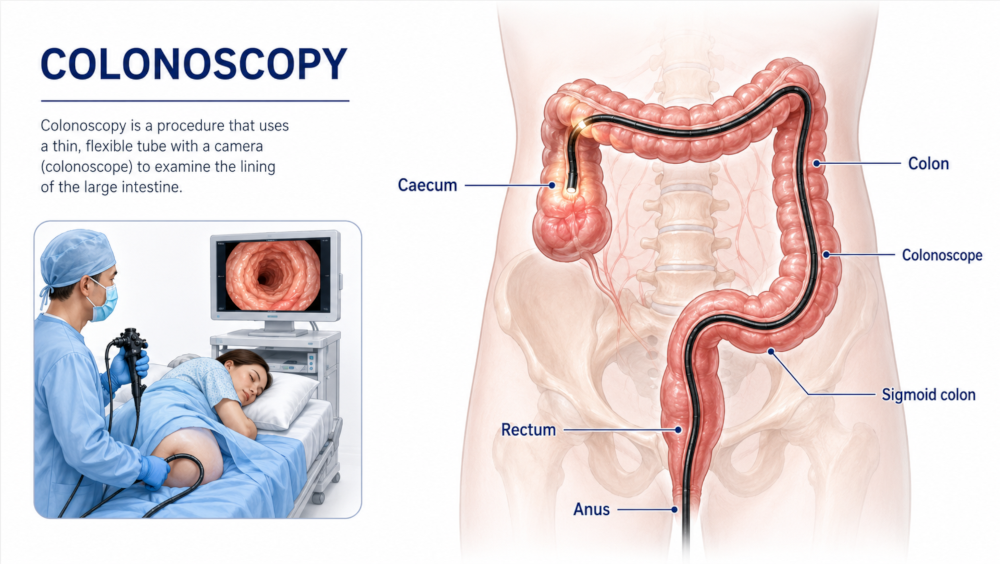
A colonoscopy is a common procedure that lets your doctor examine the inner lining of your colon (large intestine) and rectum using a colonoscope, which is a thin and flexible tube with a small camera and light at its tip. The camera sends live images to a screen, so your doctor can look closely for any abnormalities.
- How the Procedure Works: A thin, flexible colonoscope is gently passed through the rectum and guided along the length of the colon. As it moves, it relays clear images of the bowel wall to a monitor for your doctor to review in real time. The procedure is painless and is typically conducted under general anaesthesia.
- What the Procedure Examines: The colonoscopy checks the colon and rectum for changes such as polyps, inflammation, unusual growths, and sources of bleeding. It can examine the entire length of the large intestine, including areas that other tests may not reach.
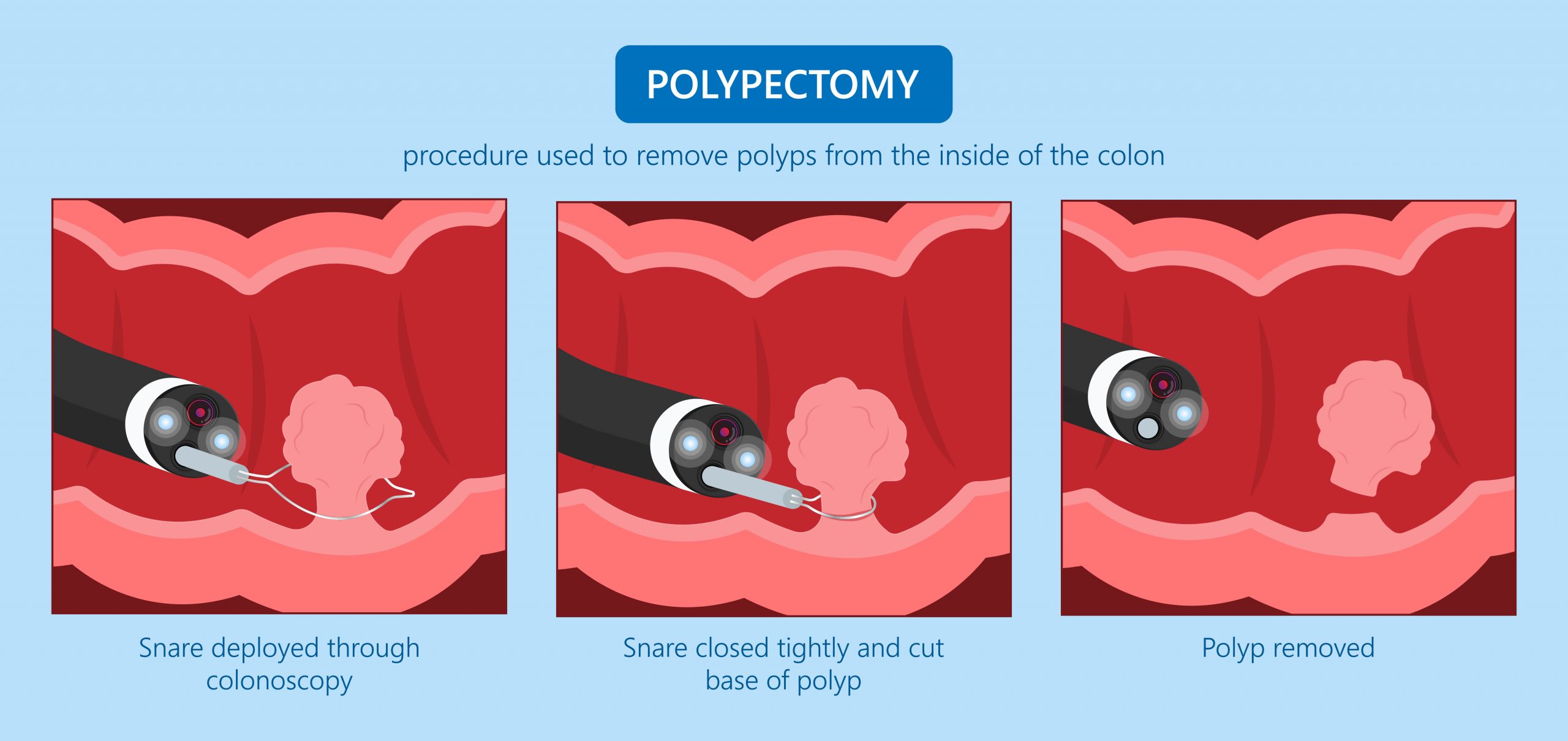
- Detecting and Removing Abnormalities: If a polyp is found, it can often be removed during the same procedure, and small tissue samples (biopsies) can be taken for testing. This means a colonoscopy can serve as both a diagnostic and a treatment tool in a single session.
- How Long It Takes: A colonoscopy usually takes around 30 minutes to an hour, depending on what is found and whether any polyps are removed.
Why Is Colonoscopy Important in Singapore?
A colonoscopy plays an important role in detecting colorectal cancer early, and in many cases, helping to prevent it. Colorectal cancer is the second most common type of cancer for men and women in Singapore, affecting approximately 45 out of every 100,000 people locally.
We typically recommend a colonoscopy in Singapore for two main reasons:
- As a screening test, to check for early signs of colorectal cancer before symptoms appear.
- For diagnostic purposes, when symptoms such as rectal bleeding, persistent bowel changes, or unexplained abdominal discomfort need further investigation.
Most colorectal cancers begin as small growths called polyps, which are usually harmless at first. Over several years, some polyps can slowly turn cancerous. Because a colonoscopy can find and remove these polyps before they become a problem, it is one of the few screening tests that can help prevent cancer rather than just detect it.
Who Should Go for Colorectal Screening in Singapore
A colonoscopy is recommended in two different situations: as routine screening for people who feel well but have a higher risk, and as a diagnostic test for people who already have symptoms.
Routine Screening (When You Have No Symptoms)
Colorectal cancer often develops without any warning signs, so screening is recommended even when you feel completely well. Consider routine screening if any of the following apply to you:
- Aged 50 and above, as risk increases with age
- A family history of colorectal cancer or polyps
- A medical condition such as inflammatory bowel disease
- A personal history of colon polyps
If you are at average risk, you are encouraged to screen regularly from age 50 through the Integrated Screening Programme (ISP). This often begins with the Faecal Immunochemical Test (FIT), a simple stool test that checks for hidden blood which may point to changes in the colon. If the FIT result is abnormal, a colonoscopy is then recommended to examine the colon directly.
Diagnostic Colonoscopy (When You Have Symptoms)
You should speak to a doctor about a colonoscopy, regardless of your age, if you notice any of the following symptoms.
- Rectal Bleeding: Such as blood in the toilet bowl, on toilet paper, or mixed with your stool.
- Persistent Changes in Bowel Habits: Such as ongoing diarrhoea, constipation, or stools that become noticeably narrower than usual.
- Unexplained Abdominal Discomfort: Including frequent bloating, cramping, or persistent pain in the abdomen.
- Iron-Deficiency Anaemia: Often picked up during a blood test, this may cause symptoms such as fatigue, weakness, or shortness of breath.
Conditions Detected Through Colonoscopy Screening
A colonoscopy does more than screen for cancer. Because it gives your doctor a direct, detailed view of the entire colon and rectum, it can detect a range of bowel conditions. Here are the conditions that can be detected with a colonoscopy:
- Colon Polyps: Small growths on the inner lining of the colon. Most are harmless, but certain types can slowly turn cancerous over several years, so finding and removing them during the colonoscopy can prevent them from progressing.
- Colorectal Cancer: An abnormal growth of tissue in the colon or rectum. A colonoscopy can detect it early, often before any symptoms appear, and tissue samples can be taken during the same procedure to confirm a diagnosis.
- Inflammatory Bowel Disease (IBD): Long-term conditions such as ulcerative colitis and Crohn’s disease that cause ongoing inflammation in the digestive tract. A colonoscopy helps confirm the diagnosis and shows how much of the bowel is affected.
- Diverticular Disease: Small pouches that form in the wall of the colon. These are common with age and often cause no problems, but they can sometimes become inflamed or bleed.
- Sources of Bleeding or Anaemia: A colonoscopy can trace the cause of rectal bleeding or unexplained iron-deficiency anaemia, such as inflamed tissue, polyps, or abnormal blood vessels.
Benefits of Early Colonoscopy Screening
Screening is most valuable when it is done early, before any symptoms appear. Catching changes in the colon at an early stage often makes them simpler to manage, and in some cases can prevent cancer from developing at all.
- Early Detection of Polyps: A colonoscopy can find polyps while they are still small and harmless. Spotting them early means they can be dealt with before they have any chance to become cancerous.
- Active Prevention: If a polyp is found, it can usually be removed during the same procedure. Because most colorectal cancers begin as polyps, removing them interrupts that process and can prevent cancer from developing in the first place.
- Earlier Diagnosis: When cancer is found before symptoms appear, it tends to be at an earlier stage. Early-stage colorectal cancer generally responds better to treatment and is associated with higher survival rates.
- Diagnosis and Treatment in One Procedure: A colonoscopy lets your doctor examine the colon, take tissue samples, and remove polyps in a single session. This often avoids the need for separate follow-up procedures.
- Clearer Guidance on Future Screening: The findings help your doctor advise how often you should be screened going forward. A normal result may mean you will not need another colonoscopy for several years.
Cost Of Colonoscopy In Singapore
The cost of a colonoscopy in Singapore can vary:
- Cost of a Colonoscopy at a Private Hospital: In private hospitals the costs can range from $1,000 to $2,500 or more. However, this also means shorter wait times, patient to healthcare provider ratios are smaller, more specialised services, and often more comfortable amenities.
- Cost of a Colonoscopy at Our Clinic: At Advanced Colorectal and General Surgery, a colonoscopy screening can range from about $1,100 to $1,600. While consultations typically start from $150.
Other factors that can affect the cost of a colonoscopy include:
- Type of Sedation Used: Sedation administered by an anaesthetist may add to the overall cost compared to general anaesthesia.
- Biopsies or Polyp Removal: If tissue samples are taken or polyps are removed during the procedure, these can add to the overall cost.
- Specialist Performing the Procedure: Costs can vary depending on the specialist performing the procedure and their area of expertise.
- Insurance Coverage and Government Subsidies: Insurance, government subsidies, and MediSave can each be used to offset part of the cost.
Preparing for a Colonoscopy in Singapore

Good preparation is one of the most important parts of a colonoscopy. The colon needs to be completely clear so your doctor can see the lining clearly and not miss anything. If stool remains in the bowel, small polyps or other changes can be hidden from view, and the procedure may need to be repeated.
If we determine that you need a colonoscopy, we will guide you through each stage of preparation.
3 to 5 Days Before the Colonoscopy
- Adjust Your Diet: Cut back on high-fibre foods such as nuts, seeds, whole grains, and raw vegetables, as these are harder to clear from the bowel.
- Review Your Medications: Some medications like blood thinners, diabetes medication, or iron supplements, as some may need to be paused or adjusted before the procedure.
- Follow Any Personalised Instructions: You may be given special instructions based on your medical history and current health. Follow these instructions for a smooth procedure.
1 Day Before the Colonoscopy
- Switch to a Clear Liquid Diet: Consume liquids such as water, clear broth, tea without milk, or electrolyte drinks, so the bowel stays empty.
- Take the Prescribed Bowel Preparation Medication: Take your prescribed medicine as directed. This helps empty the colon and helps to ensure you get a clear result.
- Keep Drinking Clear Fluids: Keep drinking clear fluids throughout the day to stay hydrated as the bowel preparation medicine can cause fluid loss.
On the Day of the Colonoscopy
- Avoid Eating or Drinking: Stop eating or drinking several hours before the colonoscopy as advised.
- Arrive at the Clinic on Schedule: Arrive at the clinic as scheduled so we can check that your preparation is complete before the procedure begins.
Following these steps closely gives your doctor the clearest possible view of your colon, which makes the colonoscopy more accurate.
How a Colonoscopy Procedure Is Performed
A colonoscopy in Singapore is usually performed as a 30 to 60 minute day procedure. Most people are in and out on the same day.
- Sedation or General Anaesthesia is Given: Before the examination begins, you will be given sedation or general anaesthesia to keep you comfortable.
- The Colonoscope is Inserted: A thin, flexible tube called a colonoscope is gently inserted through the rectum and guided along the colon. The small camera at its tip sends live images to a monitor for your doctor to view.
- The Colon is Examined: Your doctor slowly examines the lining of the colon and rectum, checking for polyps, inflammation, bleeding, or other changes along the way.
- Polyps Are Removed or Samples Are Taken: If polyps or other abnormalities are found, they can often be removed during the same procedure, and small tissue samples (biopsies) can be taken for testing.
- Post-Procedure: Once your colonoscopy is done, you will rest in a recovery area until the sedation or anaesthesia wears off. A family member or friend may be required to escort you before you can leave the clinic.
Is Colonoscopy in Singapore Safe? Risks and Side Effects
A colonoscopy is a safe and routine procedure, and serious complications are uncommon, though as with any procedure there are some risks to be aware of.
Mild and temporary side effects after the procedure may include:
- Bloating or Gas: Caused by the air used to gently expand the colon during the examination, and usually eases once it passes.
- Mild Abdominal Discomfort or Cramping: A common, short-lived sensation that tends to settle on its own.
- Drowsiness: A normal after-effect of the sedation or anaesthesia, which wears off as the day goes on.
In rare cases, there may be:
- Bleeding: More likely if a polyp is removed or a biopsy is taken, and usually minor.
- Perforation of the Colon: A small tear in the bowel wall, which is uncommon but may require further treatment.
Concerned about what you’re experiencing after your procedure? Contact us for support.
What to Expect After a Colonoscopy
Most people recover quickly from a colonoscopy and are discharged on the same day, once the sedation or anaesthesia has worn off. Here’s what you can expect after your colonoscopy.
- Arrange to Get Home Safely: You may feel groggy after the procedure, so arrange for someone to accompany you home and avoid driving for the rest of the day.
- Rest for the Remainder of the Day: Take it easy for the rest of the day and allow your body time to recover.
- Ease Back Into Eating: Start with light foods and plenty of fluids, then return to your usual diet as you feel comfortable.
- Return to Normal Activities the Next Day: Most people resume their usual routine the following day, depending on how they feel and whether any polyps were removed or biopsies taken.
- Review of the Findings: Your doctor will discuss the results with you, and follow-ups may be arranged if tissue samples or polyps were sent for laboratory analysis.
Choosing a Colonoscopy Clinic in Singapore
While deciding which clinic to visit for a colonoscopy, you should look for:
- Specialist Experience: Look for a doctor with specialist training in conditions affecting the colon and rectum, as well as experience performing colonoscopies.
- Continuity of Care: Consider whether you can consult the same doctor before the procedure and review your findings with them afterwards, which keeps your care consistent.
- Procedural Safety: Find out about the clinic’s safety standards and protocols during the procedure, so you know what to expect.
- Post-Procedure Support: Ask how the clinic handles recovery and follow-up, including how and when your results will be discussed.
What Does Same-Day Colonoscopy Mean
A same-day colonoscopy means your consultation, the procedure, and the discussion of your results all happen on the same day, rather than across separate visits.
Here is what to expect for a same-day colonoscopy at Advanced Colorectal and General Surgery:
- Consultation With Dr Leong: You will first meet Dr Leong to go through your symptoms and screening needs and decide whether a colonoscopy is right for you.
- Bowel Preparation: If a colonoscopy is recommended, you will be advised on how to prepare your bowel before being admitted to the day surgery ward.
- The Colonoscopy: Once your bowel is ready, the colonoscopy is performed at the endoscopy centre.
- Recovery: You will rest in the recovery area until the sedation or anaesthesia wears off.
- Reviewing Your Results: Dr Leong will go through the findings with you before you are discharged, so you leave with a clear understanding of the outcome.
Why Choose Advanced Colorectal and General Surgery for Colonoscopy Screening
Dr Leong Quor Meng is a colorectal surgeon at Advanced Colorectal and General Surgery for Colonoscopy Screening with more than 20 years of experience managing conditions affecting the colon and rectum. He has performed over 10,000 endoscopic procedures, including diagnostic and therapeutic colonoscopies.
Beyond colonoscopy, Dr Leong has a particular focus on minimally invasive techniques for treating conditions found during screening, and he sees patients through each stage of their care, from the initial consultation to discussing results and planning any follow-up.
If you notice any of the symptoms listed above or have been referred for a colonoscopy, consult Dr Leong for a diagnosis and personalised treatment plan.
About Dr Leong Quor Meng
Colorectal & Hernia Surgeon in Singapore
Dr Leong is a general and colorectal surgeon in Singapore with extensive experience in diagnostic and therapeutic colonoscopy.
Qualifications and Training
- Graduated from the University of London in 2000
- Obtained membership to the Royal College of Surgeons of Edinburgh in 2003
- Began practising at Tan Tock Seng Hospital in 2003
- Started Advanced Specialist Training in 2005 and passed his fellowship exams in 2008
- Awarded the MOH HMDP scholarship in 2010 to train under Prof Kim Seon Hahn at Korea University in laparoscopic and robotic colorectal surgery
Colonoscopy and Endoscopy Experience
- An experienced endoscopist with more than 10,000 procedures performed
- Performs both diagnostic and therapeutic colonoscopies, for elective and emergency conditions
- Performs direct access colonoscopies and gastroscopy (oesophago-gastro-duodenoscopy)
- Aims to carry out procedures on the same day where possible, for patients’ convenience
Surgical Expertise
- Practises Single Incision Laparoscopic surgery, a minimally invasive technique
- Performs a range of minimally invasive general surgery procedures
- Trains basic and advanced specialist trainees in laparoscopic surgery, and proctors consultant surgeons in complex colorectal cases

Frequently Asked Questions About Colonoscopy Screening
What is a colonoscopy and why is it performed?
A colonoscopy uses a thin, flexible camera to examine the colon and rectum. It is typically performed by a colorectal doctor in Singapore to screen for colorectal cancer and to investigate the health of your colon for other conditions.
How long does the procedure take and what is the recovery time?
The procedure usually takes about 30 to 60 minutes. Most people recover within a few hours, are discharged the same day, and return to normal activities the following day.
What conditions can colonoscopy detect?
A colonoscopy can detect colon polyps, colorectal cancer, inflammatory bowel disease, and diverticular disease. It can also identify the source of rectal bleeding or unexplained iron-deficiency anaemia.
What are the benefits of early colonoscopy screening?
Early colonoscopy screening at a colorectal cancer clinic can find and remove polyps before they turn cancerous, and detect cancer at an earlier, more treatable stage. This can prevent colorectal cancer and improve treatment outcomes.
How often should I undergo colonoscopy screening?
For people at average risk, a colonoscopy is generally recommended once every 10 years from age 50. Those with higher risk or previous findings may need to screen more often.
Does colonoscopy hurt?
No. A colonoscopy is performed under sedation or general anaesthesia, so you will not feel pain during the procedure. Some people have mild bloating or cramping afterwards, which usually settles quickly.
Can I take my regular medications before the procedure?
Most medications can be continued, but some, such as blood thinners, diabetes medication, or iron supplements, may need adjusting. Always review your medications with your doctor before the procedure.
Is sedation used during colonoscopy?
Yes. A colonoscopy is performed under sedation or general anaesthesia to keep you comfortable. Your doctor will discuss the most suitable option with you before the procedure.
What factors affect colonoscopy costs in Singapore?
Costs depend on the hospital or clinic setting, the type of sedation used, the complexity of the procedure, whether biopsies or polyp removal are needed, and your insurance or subsidy coverage.
When should I see a colonoscopy specialist in Singapore?
See a specialist if you are due for screening from age 50, have a family history of colorectal cancer, or notice symptoms such as rectal bleeding or persistent changes in bowel habits.
Insurance
Our surgery is on the panel of most of the major insurance companies and if you are covered by corporate insurance, you may be entitled to a cashless visit to our clinic.
Get In Touch
Corporate Insurance Partners


Personal Insurance Partners