Colonoscopy Screening In Singapore For Colorectal Cancer
Insurance
Our surgery is on the panel of most of the major insurance companies and if you are covered by corporate insurance, you may be entitled to a cashless visit to our clinic.
Get In Touch
Table of Contents
Colonoscopy Screening in Singapore
Colorectal cancer can develop without noticeable symptoms, especially in its early stages. This is why we recommend getting a colonoscopy at our clinic in Singapore, to detect colorectal polyps, early cancers, and other changes before they progress.
Should we detect changes, you can start treatment with us and prevent more serious complications from developing later on.
What Is A Colonoscopy Screening in Singapore
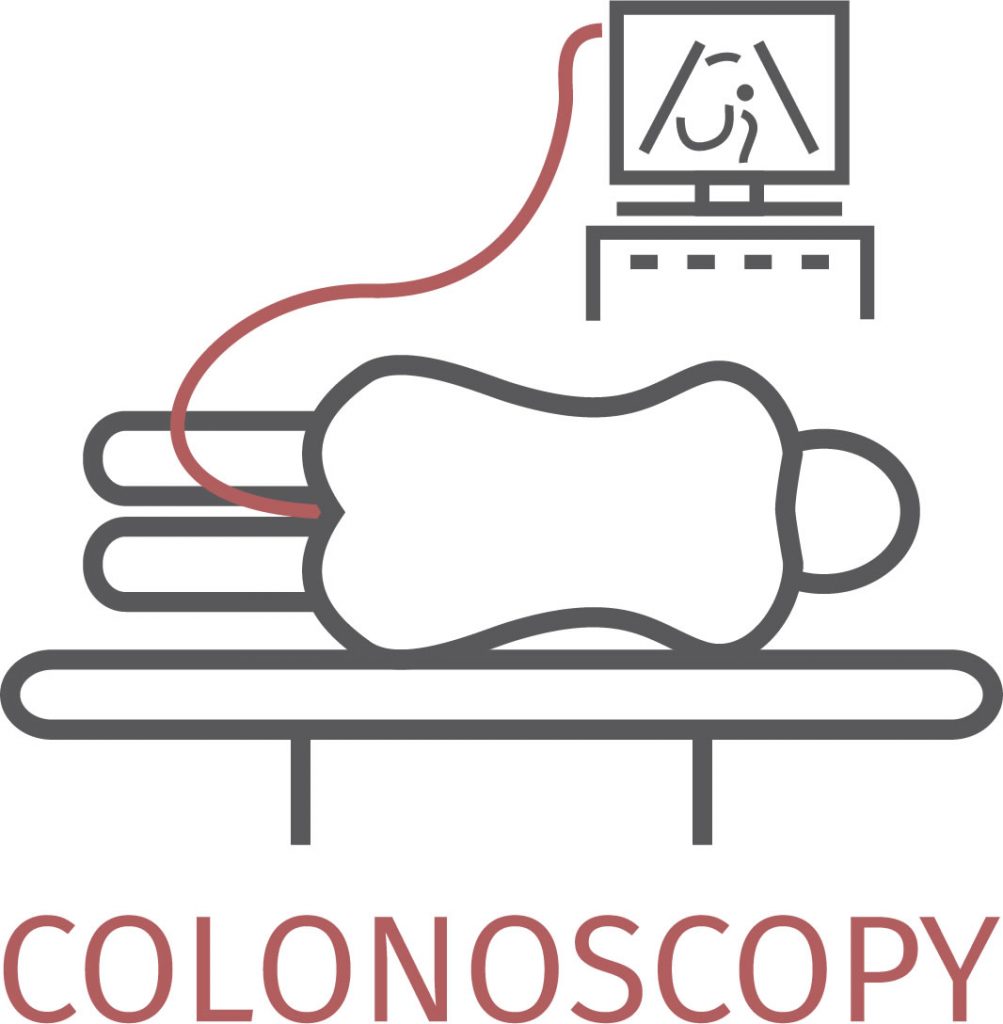
Colonoscopy in Singapore is a commonly performed procedure that allows your doctor to examine the inside of the colon and rectum using a thin, flexible camera.
It is used to identify abnormalities in the bowel, including polyps, inflammation, and sources of bleeding. The procedure generally lasts for about 30 minutes to an hour, and is a painless procedure conducted under general anaesthesia.
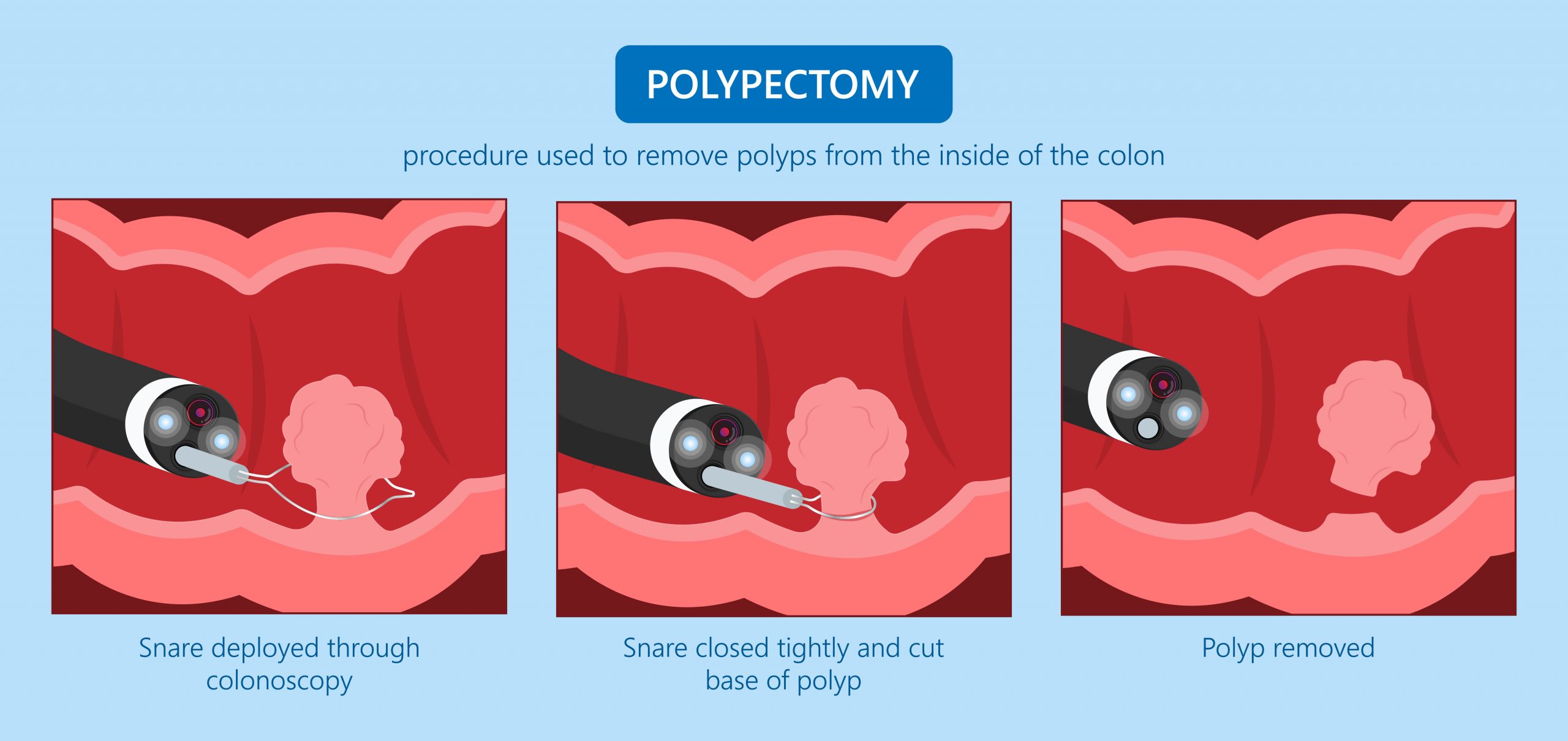
During a colonoscopy, doctors can also utilise the colonoscope to generate images of the colon and rectal wall and identify and remove colon polyps.
Why Is Colonoscopy Important in Singapore?
Colonosocpy screening is important in Singapore, as it plays a crucial role in the diagnosis of colorectal cancer.
In Singapore, colorectal cancer remains a major health concern. It is the second most frequently diagnosed cancer among men and affects about 45 out of every 100,000 people locally.
We typically recommend a colonoscopy in Singapore for two main reasons:
- As a screening test, to check for early signs of colorectal cancer before symptoms appear.
- For diagnostic purposes, when symptoms such as rectal bleeding, persistent bowel changes, or unexplained abdominal discomfort need further investigation.
Who Should Go for Colorectal Screening in Singapore
We recommend you go for a colorectal screening in Singapore if any of these apply to you:
- Aged 50 and above, as risk increases with age
- Have a family history of colorectal cancer or polyps
- Have a medical condition like inflammatory bowel disease
- Have a personal history of colon polyps
Also, if you experience any of these symptoms:

Rectal bleeding
like if you notice blood in the toilet bowl, on toilet paper, or mixed with your stool.

Persistent changes in bowel habits
such as ongoing diarrhoea, constipation, or stools that become noticeably narrower than usual.

Unexplained abdominal discomfort
including frequent bloating, cramping, or persistent pain in the abdomen.

Iron-deficiency anaemia
which may be discovered during a blood test, sometimes causes symptoms such as fatigue, weakness, or shortness of breath.
You’re encouraged to attend regular colorectal screening in Singapore, particularly from age 50, through the Integrated Screening Programme (ISP).
You can begin with the Faecal Immunochemical Test (FIT), a stool test used to check for hidden blood that may indicate abnormalities in the colon.
Our aim is to identify early-stage cancer, when treatment options may be more straightforward.
Conditions Detected Through Colonoscopy Screening
A colonoscopy is commonly used as part of colon cancer screening protocols in Singapore. It can help us identify conditions such as:

Colon polyps
small growths in the colon that may develop into colorectal cancer over time

Colorectal cancer
abnormal tissue growth in the colon or rectum that may require further evaluation and treatment
Inflammatory bowel disease (IBD)
conditions such as ulcerative colitis or Crohn’s disease that cause inflammation in the digestive tract
Sources of unexplained bleeding or anaemia
abnormalities in the bowel that may contribute to rectal bleeding or iron-deficiency anaemia
Cost Of Colonoscopy In Singapore
The cost of a colonoscopy in Singapore can vary depending on whether the procedure is performed in a public or private hospital.
In public hospitals, the cost is as it is subsidised by the government. The price may start at around $400 to $800 for Singaporean citizens and permanent residents.
In private hospitals the costs can range from $1,000 to $2,500 or more. However, this also means shorter wait times, patient to healthcare provider ratios are smaller, more specialised services, and often more comfortable amenities.
At Advanced Colorectal and General Surgery, a colonoscopy screening can range from about $1,100 to $1,600. While consultations typically start from $150.
Typically, the cost of the procedure varies depending on:
- The clinic you visit
- The complexity of the procedure you need
- The specialist performing the procedure
- Whether additional tests or biopsies are required
- Insurance coverage and government subsidies.
Preparing for a Colonoscopy in Singapore

If we determine that you need a colonoscopy screening, we’ll first guide you through a few steps to prepare.
3–5 Days Before the Colonoscopy
- Adjust your diet by avoiding foods that are high in fibre, such as nuts, seeds, whole grains, and raw vegetables.
- Review your medications with us, especially if you take blood thinners, diabetes medication, or iron supplements.
- Follow the instructions we provide based on your medical history.
The Day Before the Colorectal Screening
- Switch to a clear liquid diet, such as water, clear broth, tea, or electrolyte drinks.
- Take the prescribed bowel preparation medication to help empty the colon.
- Stay hydrated by drinking plenty of clear fluids.
On the Day of the Colorctal Screening
- Avoid eating or drinking for several hours before the colonoscopy, as advised.
- Arrive at the clinic as scheduled so we can review your preparation and proceed with the procedure.
Proper preparation helps ensure the colon is clear and easy for us to examine during the colonoscopy. If stool remains in the bowel, it may make it harder to see the lining of the colon.
How a Colonoscopy Procedure Is Performed
A colonoscopy in Singapore is usually performed as a day procedure. Before the examination begins, sedation or anaesthesia may be given to help you stay comfortable during the test.
During the procedure, a thin, flexible tube called a colonoscope is inserted through the rectum and guided through the colon. The colonoscope has a small camera that allows us to view the lining of the colon on a monitor and check for abnormalities.
In Singapore, colonoscopy screenings typically takes about 30 to 60 minutes. If polyps or other abnormalities are detected, certain procedures such as polyp removal or tissue sampling (biopsy) may be performed at the same time.
Is Colonoscopy in Singapore Safe? Risks and Side Effects
Serious complications are uncommon, but as with any medical procedure, there may still be some risks when you get a colorectal screening.
You may experience mild and temporary side effects after the procedure, such as:
- Bloating or gas, caused by the air used to expand the colon during the examination
- Mild abdominal discomfort or cramping
- Drowsiness from the sedation used during the procedure
In rare cases, there may be:
- Bleeding, particularly if a polyp is removed or a biopsy is taken
- A perforation of the colon, which means a small tear in the bowel wall
Concerned about what you’re experiencing post-procedure? Contact us for support.
What to Expect After a Colonoscopy
You’ll typically be discharged on the same day of the procedure, once the sedation has worn off. As such, you should arrange for someone to accompany you home as you may be groggy post-colonoscopy.
To support your recovery, we also recommend:
- A short period of rest for the remainder of the day
- A return to normal daily activities the next day, depending on how you feel and whether additional procedures were performed
- A review of the findings, with follow-up results discussed later if tissue samples or polyps were sent for laboratory analysis
Choosing a Colonoscopy Clinic in Singapore
While deciding which clinic to visit for a colonoscopy, you should look for:
- The doctor’s specialist training in conditions affecting the colon and rectum
- Any experience with colonoscopy procedures
- The clinic’s continuity of care, where you can consult the same doctor before the procedure and review findings afterwards
- Whether the clinic has appropriate endoscopy equipment and trained clinical support staff
- The colonoscopy clinic post-procedure protocols
Considering these factors can help you understand how the procedure will be performed and what kind of follow-up support you may receive afterwards.
Why Colonoscopy in Singapore Is Recommended For Early Cancer Detection
Several tests are used for colon cancer screening in Singapore. One option is FIT, which checks stool samples for traces of blood that may indicate abnormalities in the colon.
In some situations, we may recommend a colonoscopy instead, as it allows the entire colon to be examined directly during a single procedure.
This may be considered when:
- FIT results are abnormal, and further evaluation of the colon is needed
- A closer examination of the colon lining is required, particularly for those with higher risk factors
- Longer screening intervals are preferred, as follow-up colonoscopy screening may not be needed for several years, depending on the findings
What Does Same-Day Colonoscopy Mean
This means your consultation and colonoscopy are completed on the same day.
At Advanced Colorectal And General Surgery, you’ll first meet Dr Leong for a consultation, where your symptoms and screening needs are reviewed. If a colonoscopy is recommended, you’ll be advised on bowel preparation before being admitted to the day surgery ward.
Once the bowel is ready, the colonoscopy is performed at the endoscopy centre. Afterwards, once you’ve recovered from the sedation, Dr Leong will review the findings with you before you’re discharged.
So the consultation, procedure, and discussion of results can take place on the same day.
Why You Should Do A Colonoscopy Screening In Singapore With Dr QM Leong
Dr QM Leong, is a colorectal surgeon with more than 20 years of experience managing conditions affecting the colon and rectum. He has performed over 10,000 endoscopic procedures, including diagnostic and therapeutic colonoscopies.
If you notice any of the symptoms listed above or have been referred for a colonoscopy, consult Dr Leong for a diagnosis and personalised treatment plan.
Frequently Asked Questions About Colonoscopy In Singapore
What is a colonoscopy and why is it performed?
A colonoscopy in Singapore is a diagnostic procedure used to examine the interior of the colon and rectum. It is performed using a long, flexible tube with a camera at the end, called a colonoscope. This procedure is crucial for detecting abnormalities such as polyps, tumors, and inflamed tissues, which can be early indicators of conditions like colorectal cancer. Regular colonoscopy screenings are recommended for early detection and prevention of colorectal diseases.
How long does the procedure take and what is the recovery time?
A typical colonoscopy in Singapore takes about 30 minutes to an hour. However, the exact duration can vary depending on factors such as the complexity of the examination and whether any interventions like polyp removal or biopsies are required.
What conditions can colonoscopy screening detect?
Colonoscopy screening in Singapore is effective in detecting a range of conditions, including colorectal polyps, which may develop into cancer, colorectal cancer, inflammatory bowel disease (such as Crohn’s disease and ulcerative colitis), and diverticulosis. This comprehensive colorectal cancer test screening helps in the early identification and management of these conditions, improving patient outcomes and reducing the risk of colorectal cancer.
What are the benefits of early colonoscopy screening?
Early colonoscopy screening in Singapore offers significant benefits, including the detection and removal of precancerous polyps before they develop into cancer. It also helps in identifying early-stage colorectal cancer, which is more treatable and associated with higher survival rates. Early screening can prevent the progression of other gastrointestinal conditions, leading to better health and reduced healthcare costs in the long run.
What are the post-procedure care tips following a colonoscopy?
Following a colonoscopy in Singapore, it is important to follow certain care tips to ensure a smooth recovery. Patients should rest for the remainder of the day and avoid strenuous activities. It’s normal to experience some bloating or gas, which can be relieved by walking and drinking plenty of fluids. A light diet is recommended for the first 24 hours, and any unusual symptoms such as severe abdominal pain or heavy bleeding should be reported to the doctor immediately.
What are the criteria for choosing a colonoscopy clinic in Singapore?
When choosing a colonoscopy clinic in Singapore, consider factors such as the clinic’s reputation, the qualifications and experience of the medical staff, the availability of advanced diagnostic equipment, and patient reviews. It is also important to verify that the clinic follows strict hygiene protocols and offers comprehensive post-procedure care. Consulting with your healthcare provider for recommendations can also help in selecting a reliable colonoscopy clinic.
How effective is colorectal cancer screening in detecting early-stage cancers in Singapore?
Colorectal cancer screening in Singapore is highly effective in detecting early-stage cancers. Screening methods such as colonoscopies can identify precancerous polyps and early cancerous changes before symptoms arise, leading to timely and effective treatment. Early detection through regular screening significantly improves the chances of successful treatment and long-term survival.
Are there any particular risk factors that necessitate earlier colorectal cancer screening in Singapore?
Yes, certain risk factors necessitate earlier colorectal cancer screening in Singapore. These include a family history of colorectal cancer or polyps, personal history of inflammatory bowel disease, genetic conditions such as Lynch syndrome, and lifestyle factors like a diet high in red and processed meats, smoking, and excessive alcohol consumption. Individuals with these risk factors should consult their healthcare provider for personalized screening recommendations.
What are the common symptoms that warrant a colorectal screening in Singapore?
There are usually not much or any symptoms to warn patients of early-stage colon cancer, however, some of the symptoms that are commonly found in the later stages of colorectal (colon) cancer are:
- Blood Found In Stools
- Change In Bowel Habits And Movements
- Weight loss
- Discomfort Within Abdominal Region
- Fatigue or Weakness
Understanding colon cancer staging is crucial for patients and their families to grasp the severity of the disease and the potential pathways for treatment.
Are there lifestyle or dietary recommendations to follow before undergoing colorectal screening in Singapore?
Preparation for a colorectal screening in Singapore typically includes dietary restrictions and medication adjustments. You will most likely need to adhere to a clear liquid diet for a day or two before the procedure. On the day before the colonoscopy, you must drink a prescribed laxative solution to empty out your colon. It is essential to follow the instructions carefully to ensure a successful and effective procedure.
At our colonoscopy clinic in Singapore, these are not necessary. There are no dietary restrictions, but there are bowel preparations. Contact us to learn how you can better prepare for a same-day colonoscopy.
How Often Do I Require Colonoscopy Screening In Singapore?
Colonoscopy is one of the gold standard screening tests for colorectal cancer. It should be repeated once every 5 or 10 years. Most people will require 2 to 3 colonoscopy screenings in Singapore throughout their lifetime.
Does A Colonoscopy Screening In Singapore Hurt?
Colonoscopy in Singapore is performed under general anaesthesia or sedation. Hence you will be asleep and not experience any pain during the procedure. After the procedure, some patients experience minor bloatedness which resolves after passing flatus.
Can I Take My Regular Medications Before The Procedure?
In most cases, you can continue taking essential medications, but certain medications may need to be adjusted or temporarily stopped, especially if they can affect the procedure or increase the risk of bleeding. Rest assured that our colorectal specialist will provide specific guidance on your medication regimen.
Is Sedation Or Anaesthesia Used During A Colonoscopy?
Yes, sedation or anesthesia is commonly used during a colonoscopy procedure to ensure patient comfort and relaxation. We will discuss the sedation options before the procedure and ensure your comfort and safety during the colonoscopy.
About Dr QM Leong
Colorectal & Hernia Surgeon in Singapore
Dr Leong is a general and colorectal surgeon in Singapore who graduated from the University of London in 2000. He obtained his membership to the Royal College of Surgeons of Edinburgh in 2003 and started working in Tan Tock Seng Hospital in 2003. He started his Advanced Specialist Training in 2005 and passed his fellowship exams in 2008. Dr Leong was awarded the prestigious MOH HMDP scholarship to train under Prof Kim Seon Hahn in Korea University for Laparoscopic and Robotic colorectal surgery in 2010.
Dr Leong is amongst a handful of hernia and colorectal surgeons in Singapore who practice Single Incision Laparoscopic surgery. This is a technical and complex procedure that is minimally invasive, speeds up recovery, and confers excellent cosmetic results. Dr Leong also routinely trains basic and advanced specialist trainees in laparoscopic surgery, and regularly proctors consultant surgeons in complex colorectal cases.
Beyond laparoscopic surgery, Dr Leong also performs a repertoire of minimally invasive General Surgery procedures. He is also an experienced endoscopist with more than 10000 procedures, performing diagnostic and therapeutic scopes for elective and emergency surgical conditions. He performs direct access colonoscopies and oesophago-gastro-duodenoscopy for patients and will strive to perform the procedures on the same day if possible for patients’ convenience.

Insurance
Our surgery is on the panel of most of the major insurance companies and if you are covered by corporate insurance, you may be entitled to a cashless visit to our clinic.
Get In Touch
Corporate Insurance Partners


Personal Insurance Partners