Sebaceous Cyst/Lipoma Removal in Singapore
Insurance
Our surgery is on the panel of most of the major insurance companies and if you are covered by corporate insurance, you may be entitled to a cashless visit to our clinic.
Get In Touch
Introduction
Lipomas and sebaceous cysts are common skin lumps that develop beneath the skin’s surface. Both are usually benign, meaning they are non-cancerous. In some cases, however, a lump may grow larger, become painful, get infected, or sit in a visible area where it causes cosmetic concern.
When that happens, having the lump assessed and, where appropriate, removed by a qualified medical professional can bring relief and peace of mind. This guide explains what lipomas and cysts are, how they differ, how removal is carried out in Singapore, what recovery involves, and the factors that influence cost.
Understanding Lipomas
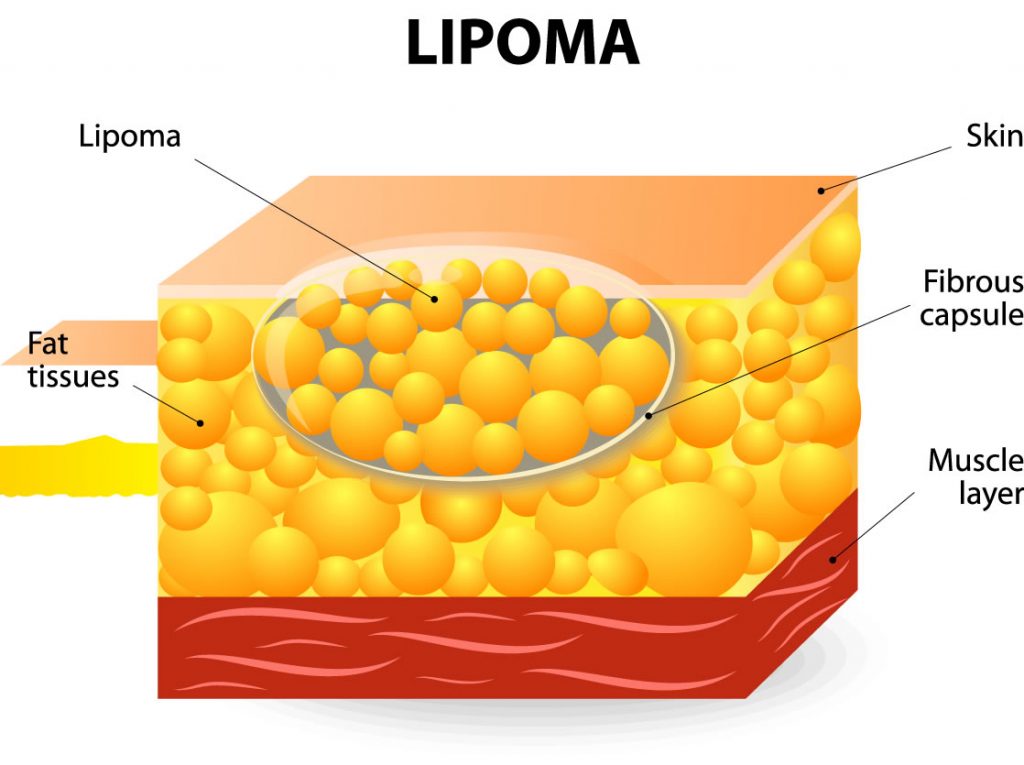
A lipoma is a soft, fatty lump that grows slowly beneath the skin. Lipomas are benign and often do not need any treatment. They are commonly described as:
- Soft and squishy to the touch
- Varying in size
- Mobile, often moving slightly under the skin when pressed (the “slip sign”)
- Painless in most cases
- Slow growing
A lipoma is made up of fat tissue and tends to sit a little deeper under the skin, feeling rubbery and movable. This is one of the ways it differs from a sebaceous cyst, which is a sac that forms closer to the surface and may have a small central opening on the skin.
What Causes Lipomas?
The exact cause of lipomas is not fully understood, but several factors are thought to play a role:
- Genetics and family history: Lipomas can run in families, which suggests an inherited tendency in some people.
- Age: They most often appear in adults aged 40 to 60, although they can develop at any age.
- Gender: Lipomas are slightly more common in men than in women.
- Trauma: In some cases, an injury to an area of the body may trigger a lipoma to form, sometimes called a post-traumatic lipoma.
- Rare metabolic conditions: Disorders such as Madelung’s disease (benign symmetric lipomatosis) are linked to a higher chance of developing multiple lipomas. Rarely, lipomas can be painful, which is known as Dercum’s disease.
When Should You Seek Medical Attention?
While most lipomas are harmless, it is worth having a lump checked if it starts to grow quickly, becomes painful, or changes in texture. Losing weight does not cause a lipoma to shrink in the way ordinary fat does. In uncommon cases, a rapidly enlarging fatty lump can turn out to be a liposarcoma, which is cancerous, so a prompt assessment helps to confirm the diagnosis and rule out anything more serious.
Lipoma Removal Surgery in Singapore
Treatment for a lipoma is tailored to the individual, and your surgeon will advise on the most suitable approach after assessing your condition.
Consultation
Treatment begins with a consultation and a thorough medical examination, during which the surgeon assesses the lump and discusses your symptoms and medical history. If needed, further checks such as imaging may be arranged to help understand the size, depth, and nature of the lump. The surgeon will then advise whether removal is appropriate and explain the options available to you.
Surgery
Where removal is recommended, the procedure is usually carried out under local anaesthesia, often as a day surgery procedure. A small incision is made over the lipoma so that the lump can be separated from the surrounding tissue and removed, after which the incision is closed. The removed tissue may be sent for histology, a laboratory analysis that confirms the lump is benign. Your surgeon will explain the approach best suited to your lump.
Post-Surgery Care and Follow-Up
After the procedure, your surgeon will provide wound-care guidance and advise on what to expect as you recover, including any precautions to follow. A follow-up appointment allows the surgeon to review the wound and discuss the histology results. Any questions about your recovery can be raised with the clinic.
Understanding Sebaceous and Skin Cysts

A sebaceous cyst is a small sac that forms just beneath the skin and fills with a soft, oily material made up of sebum and keratin. These cysts are common and usually harmless. In everyday use, the term “sebaceous cyst” often refers to what doctors may identify as an epidermoid cyst; both are types of skin cysts and are managed similarly.
Skin cysts typically have the following features:
- A round or oval shape
- A firm feel, with some mobility under the skin
- A colour ranging from flesh-toned to yellowish
- A small central opening, or punctum, on the skin’s surface that can resemble a blackhead
- Usually painless, unless they become infected or inflamed
What Causes Sebaceous Cysts To Develop?
Cysts tend to form when a gland or hair follicle becomes blocked and sebum continues to build up underneath. Contributing factors include:
- Blocked glands or hair follicles, where dead skin cells or debris trap sebum below the surface
- Excess sebum production, which can lead to a build-up within the gland
- Inflammation or infection of the gland or follicle, which can block the duct
- Trauma or injury to the skin, which may disrupt the normal flow of sebum
- Hormonal changes, which is why cysts can be more common during puberty and in conditions such as polycystic ovary syndrome (PCOS)
- A genetic tendency to produce thicker sebum or to develop cysts more easily
What Are the Signs of Infection in a Sebaceous Cyst?
A cyst that becomes infected may show increased pain, tenderness, redness, and swelling around the area. The skin can feel warm, and there may be pus or a foul-smelling discharge. In more severe cases, fever and other body-wide symptoms can develop. It is important not to try to drain a cyst at home, as this can lead to further infection and complications.
When Should I See a Doctor About a Sebaceous Cyst?
It is sensible to have a cyst checked by a doctor if it becomes inflamed or infected, does not settle, keeps coming back, or causes you any discomfort or concern. As the signs can overlap with other conditions, when you are in any doubt, it is sensible to see a doctor, who can assess the cyst and advise on whether any treatment is needed.
Sebaceous Cyst Removal Surgery in Singapore
Treatment for a sebaceous cyst depends on the individual case, and your surgeon will advise on the most suitable approach after assessing your condition.
Consultation
Treatment begins with a consultation and a thorough medical examination, during which the surgeon assesses the cyst and discusses your symptoms and medical history. If the cyst is inflamed or infected, the surgeon will advise on the next steps before any removal is considered. The surgeon will then explain whether removal is appropriate and the options available to you.
Surgery
Where removal is recommended, the procedure is usually carried out under local anaesthesia, often as a day surgery procedure. A small incision is made so that the cyst can be removed together with its surrounding wall or capsule. The removed tissue may be sent for histology, a laboratory analysis, where appropriate.
Post-Surgery Care and Follow-Up
After the procedure, your surgeon will provide wound-care guidance and advise on what to expect as you recover, including any precautions to follow. A follow-up appointment allows the surgeon to review the wound and discuss any histology results. Any questions about your recovery can be raised with the clinic.
Skin Lump Removal Procedures at Advanced Colorectal and General Surgery
Skin lumps vary, and the right approach depends on an accurate diagnosis. After assessing the lump, our surgeon will advise whether removal is needed or whether the lump can simply be monitored. Procedures we perform include:
- Lipoma excision for fatty lumps that are symptomatic, growing, or cosmetically bothersome
- Sebaceous and epidermoid cyst excision, removing the cyst together with its wall to limit recurrence
- Removal of other benign skin lumps, such as skin tags and certain other surface growths
Cyst and Lipoma Removal Cost in Singapore
The cost of removing a cyst or lipoma varies from person to person, as it depends on the specifics of each case, including the lump itself and the treatment involved. Our surgery is on the panel of most major insurance companies, and patients covered by corporate insurance may be entitled to a cashless visit. The clearest way to understand the likely cost for your situation is to arrange a consultation, where the surgeon will conduct a thorough assessment and advise based on your individual factors.
When to See a Specialist for Skin Lump Removal
It is worth having a skin lump assessed by a doctor if you notice any of the following:
- The lump is growing quickly or changing in size, shape, or colour
- It has become painful, red, warm, or is discharging, which may suggest infection
- It is interfering with movement or your daily activities
- It is in a visible area and causing you concern
- You are simply not sure what it is
An assessment offers reassurance and, where treatment is needed, allows it to be planned at the right time.
Why Choose Advanced Colorectal And General Surgery
Advanced Colorectal and General Surgery, located at Mount Alvernia Hospital, offers minor surgical procedures for benign skin lumps as part of its general surgery services. Patients can expect:
- Day surgery procedures carried out under local anaesthesia
- Minimally invasive techniques used where appropriate
- Histology testing of removed tissue to confirm the diagnosis
- A clinic on the panel of most major insurers, with cashless visits possible for eligible corporate insurance holders
- Patient-centred care, from the initial consultation through to follow-up
The clinic is led by Dr Leong Quor Meng, a general and colorectal surgeon with experience across a range of general and minor surgical procedures.
About Dr Leong Quor Meng
Dr Leong is a general and colorectal surgeon in Singapore who graduated from the University of London in 2000. He obtained his membership of the Royal College of Surgeons of Edinburgh in 2003 and began working at Tan Tock Seng Hospital in the same year. He started his Advanced Specialist Training in 2005 and passed his fellowship examinations in 2008. In 2010, he was awarded the MOH HMDP scholarship to train under Professor Kim Seon Hahn at Korea University in laparoscopic and robotic colorectal surgery.
Dr Leong is among a handful of hernia and colorectal surgeons in Singapore who practise Single-Incision Laparoscopic surgery, alongside a range of minimally invasive general surgery procedures, including day-surgery removal of skin lumps such as lipomas and cysts. He is also an experienced endoscopist who has performed more than 10,000 procedures, and he aims to carry out direct access colonoscopies and gastroscopies on the same day, where possible, for patients’ convenience.
Schedule a consultation with us to have your skin lump assessed and to discuss the options available to you.

Frequently Asked Questions About Cyst and Lipoma Removal
How can I tell if a lump is a cyst or lipoma?
Lipomas are usually soft, rubbery, and movable, and they tend to sit a little deeper under the skin with no opening on the surface. Sebaceous cysts often feel firmer, sit closer to the surface, and may have a small central pore that can sometimes discharge. The features can overlap, so the most reliable way to tell is to have a doctor examine the lump and, if needed, arrange further tests.
Can a GP perform cyst removal?
No, not the complete removal. A GP can offer first-line care, such as draining an infected cyst or making a small incision to relieve pressure, and prescribing medication to settle an infection. This provides temporary relief, but because the cyst wall is left behind, the cyst can refill and return. Complete removal of the cyst together with its wall is a minor surgical procedure that is usually performed by a surgeon, who can also assess larger, recurrent, or awkwardly placed lumps and arrange histology where needed.
Is lipoma removal necessary?
Not always. Many lipomas are harmless and can simply be monitored. During your consultation, the doctor will advise you as to whether surgical removal is necessary.
What affects cyst or lipoma removal costs in Singapore?
Costs vary from person to person, as they depend on the specifics of each case. Insurance coverage may apply, and a consultation will give you a clearer estimate for your situation.
Can cysts return after removal?
If the entire cyst wall is removed, recurrence is uncommon. Cysts that are only drained without removing the wall are more likely to return, because the sac that produces the build-up remains in place.
Is cyst removal painful?
The procedure is carried out under local anaesthesia. Mild soreness afterwards is normal and can usually be managed with simple pain relief.
How long does recovery take after skin lump removal surgery?
Recovery is usually straightforward, and most people are able to resume their daily activities soon afterwards. Your surgeon will provide wound-care guidance and advise on any precautions to follow while the wound heals. If you are in any doubt about your recovery, it is best to check with the clinic.
Can I remove a cyst or lipoma myself?
No. Trying to squeeze, drain, or cut out a lump at home risks infection, scarring, incomplete removal, and recurrence, and it prevents a proper diagnosis. It is always safer to see a doctor.
When should I see a doctor for a skin lump?
See a doctor if the lump grows quickly, becomes painful, red, warm, or starts to discharge, changes in appearance, interferes with movement, or if you are unsure what it is.
Will the removed lump be tested for diagnosis?
Removed lumps are commonly sent for histology, a laboratory analysis, to confirm that they are benign and to rule out anything more serious.
Insurance
Our surgery is on the panel of most of the major insurance companies and if you are covered by corporate insurance, you may be entitled to a cashless visit to our clinic.
Get In Touch
Corporate Insurance Partners


Personal Insurance Partners