
Summary:
- Persistent rectal bleeding, abdominal pain, or changes in bowel habits could signal conditions like haemorrhoids, anal fissures, inflammatory bowel disease, polyps, or even colorectal cancer.
- Visiting a colorectal clinic in Singapore lets you access the right tests, colonoscopy, imaging, and lab work and get personalised advice on treatment options.
Do you have persistent abdominal pain, rectal bleeding, or changes in your bowel habits?
You don’t have to live with these issues or let them affect your daily life. Visiting a colorectal specialist puts you in control. You will get a clear understanding of what’s happening, undergo the right tests to identify the cause, and explore treatments that suit your needs and lifestyle.
Keep reading to learn about common colorectal conditions and symptoms, so you’ll know when it’s time to book an appointment at a colorectal clinic in Singapore
Table of Contents
ToggleWhat Conditions Are Treated at a Colorectal Clinic?
Colorectal clinics are where doctors specialise in diagnosing and managing conditions that affect your colon, rectum, and anus.
Common Digestive Disorders
Disorders that can affect your daily comfort and bowel health include:>
- Haemorrhoids (piles): Swollen veins in the rectum or anus that can make sitting uncomfortable, cause persistent itching, or lead to noticeable bleeding during bowel movements. Early treatment can ease discomfort and prevent complications.
- Anal fissures: Small tears in the lining of the anus that make passing stools painful and may cause bleeding. Prompt care can help the tissue heal and reduce recurring discomfort.
Inflammatory Bowel Conditions
If you frequently visit the toilet or notice persistent bowel pain or bleeding, it could be a sign of inflammatory bowel disease.
Some common inflammatory bowel conditions include:
- Crohn’s Disease: Causes chronic inflammation in the digestive tract, leading to abdominal pain, frequent diarrhoea, and potential nutrient absorption issues.
- Ulcerative Colitis: Involves long-term inflammation and ulcers in the colon and rectum, which can cause bleeding, cramping, and fatigue.
Colorectal Polyps and Cancer
Polyps are growths in the colon or rectum that can become cancerous if untreated. Colorectal cancer often develops without obvious symptoms. A colorectal specialist can detect these issues early and guide you on prevention and treatment.
Common Symptoms That Should Prompt a Visit to a Colorectal Clinic in Singapore
Your body often gives clear signals when something isn’t right. If you notice any of the following, it’s time to take action:
- Rectal Bleeding or Blood in Stool: Even small amounts of blood shouldn’t be ignored. This could be caused by haemorrhoids, anal fissures, or more serious conditions that need attention.
- Persistent Abdominal Pain or Cramping: Ongoing discomfort in your lower abdomen or rectum can indicate digestive issues or inflammation that shouldn’t be overlooked.
- Constipation or diarrhoea:Ongoing changes in bowel habits may indicate underlying digestive issues, including diet, lifestyle factors, or more serious conditions.
- Unexplained Weight Loss or Fatigue: Sudden weight loss or always feeling tired may indicate that your digestive system isn’t absorbing nutrients properly.
Facing persistent rectal bleeding, pain, or other bowel changes?Contact Advanced Colorectal and General Surgery to explore your options and get personalised care.
What Tests and Procedures Are Commonly Recommended?
Your colorectal specialist may use a combination of tests to get the full picture of what’s going on. Some of the tests include:
Colonoscopy and Sigmoidoscopy
- Colonoscopy: A long, flexible tube with a camera is inserted through the rectum to inspect the entire colon. It allows your specialist to detect polyps, inflammation, bleeding, or early signs of colorectal cancer. Suspicious areas can be biopsied or polyps removed during the same procedure.
- Sigmoidoscopy: A shorter scope that examines the rectum and lower part of the colon. It’s useful for identifying early abnormalities in this section and may be used for targeted biopsies.
Imaging Tests
These imaging tools can uncover conditions that aren’t visible through endoscopy alone, giving your specialist a clearer view for diagnosis and treatment planning.
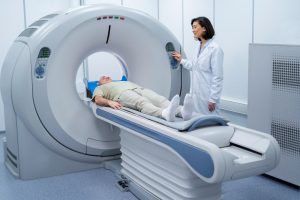
- Computed Tomography (CT) scans: Uses X-rays to create cross-sectional images of your intestines and surrounding structures, helping detect abnormalities or blockages.
- Magnetic Resonance Imaging (MRI): Uses magnetic fields and radio waves to produce high-resolution images of soft tissues, revealing inflammation or other hidden issues.
- Ultrasound: Uses sound waves to visualise organs in real time, helping identify masses, fluid build-up, or other irregularities.
Laboratory Tests
- Blood Tests: Can detect signs of infection, inflammation, anaemia, or nutrient deficiencies that may indicate underlying colorectal or digestive conditions.
- Stool Tests: Check for hidden (occult) blood, infections, or markers of inflammation in the digestive tract.
Why Early Consultation Matters for Long-Term Health
Detecting Conditions Before They Progress
Preventing Complications and Supporting Recovery
Personalised Management Plans
Schedule a Consultation at Advanced Colorectal and General Surgery
If you notice warning signs like bleeding, abdominal pain, changes in bowel habits, or unexplained weight loss, it’s important to visit a colorectal clinic in Singapore as soon as possible.
At Advanced Colorectal and General Surgery, Dr Leong Quor Meng will assess your condition, explain the tests and treatments available, and help you decide on the most suitable approach for your lifestyle and health goals.