TL;DR:
Think what you have is just piles? Maybe not. A haemorrhoid specialist looks beyond surface symptoms, using scopes and scans to rule out other issues like fissures or colorectal cancer. Seeing a specialist in Singapore early helps you treat the root cause, not just the symptoms.
When it comes to haemorrhoids, what you see or feel isn’t always the full story. Many people assume that pain, bleeding or lumps near the anus automatically mean haemorrhoids — but other colorectal conditions can also cause these symptoms.
That’s why it’s important to see a haemorrhoid specialist in Singapore. They can identify what’s causing your symptoms, treat it appropriately, and help reduce the chance of it coming back.
Read on to know just how they do this.
Table of Contents
ToggleWhat Symptoms Your Doctor Will Look Out For
To guide their diagnosis, a haemorrhoid specialist in Singapore starts by listening to your story. They look for patterns and triggers.
Typical symptoms of haemorrhoids, also known as piles, include:
- Bleeding after bowel movements
- Itching or irritation around the anus
- Pain when sitting
- Lumps or swelling near the anal area
- Changes in bowel habits
Your medical history, diet and lifestyle give the specialist clues they need to uncover the causes of your condition and determine the next steps in your diagnosis.
If you’re experiencing these symptoms, we can help. Contact us today to book an appointment with our haemorrhoid specialist.
What Tools Does a Haemorrhoid Specialist in Singapore Use for Diagnosis?
Anoscopy and Proctoscopy
Colonoscopy
To rule out cancer and other conditions, a specialist conducts a colonoscopy to inspect the entire colon and rectum, especially when bleeding is unexplained or there’s a family history of colorectal problems.
Digital Rectal Examination
A quick yet effective method where your specialist uses a gloved finger to feel for lumps, swelling or irregularities inside the anal canal.
Imaging and Other Modern Diagnostic Methods
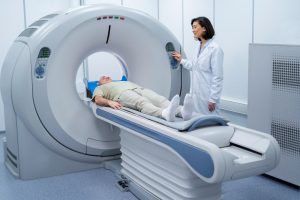
Modern imaging, such as ultrasound or Magnetic Resonance Imaging (MRI), can detect deeper vein swelling or more complex haemorrhoid cases. This helps a specialist come up with targeted treatment plans.
Why Looking Beyond Visible Symptoms Matters
Visible signs of haemorrhoids don’t always tell the whole story, especially for internal haemorrhoids. Haemorrhoid specialists in Singapore look beyond obvious signs, applying their expertise to confirm the diagnosis and rule out other conditions.
Internal Haemorrhoids May Not Be Visible
Bleeding or discomfort can occur without obvious swelling or lumps, making examination essential.
Pain or Bleeding Without External Signs
Pain or bleeding without external signs could indicate internal haemorrhoids — but they can also point to other conditions such as anal fissures, polyps, inflammatory bowel disease (IBD), or even colorectal cancer.
Subtle Changes in Bowel Habits
Even small changes, like more frequent straining or irregular stools, may point to early haemorrhoids that are not yet visible, or other bowel conditions.
Early‑Stage Inflammation or Vein Swelling
Haemorrhoid specialists in Singapore detect these changes before they worsen, allowing simpler and less invasive treatment to treat the issue once and for all.
Underlying Factors
By pinpointing factors like chronic constipation or straining, haemorrhoid specialists in Singapore can tailor treatment to prevent haemorrhoids from returning and support long-term bowel health.
Could It Be Something Other Than Haemorrhoids?
Not all pain and discomfort around the anus point to haemorrhoids. Several other conditions can cause similar discomfort, swelling or bleeding, so a proper diagnosis is essential.
Anal Fissures
Small tears in the anal lining, known as anal fissures, can cause similar discomfort and bleeding but require a different treatment approach, such as specialised wound care and lifestyle adjustments.
Anal Skin Tags
Although anal skin tags may look like external haemorrhoids, they rarely cause bleeding or pain, often develop after healed haemorrhoids or fissures, and are generally easier to manage unless removal is needed for comfort or hygiene.
Colorectal Polyps or Cancer
Unlike haemorrhoids, colorectal polyps or cancer can cause darker, persistent bleeding, changes in bowel habits, and other symptoms such as unexplained weight loss. A specialist rules out serious conditions such as these to ensure your health and safety and give you peace of mind.
When Should You See a Haemorrhoids Specialist in Singapore?
See a haemorrhoid specialist in Singapore right away if you have ongoing or worsening symptoms such as:
- Chronic or persistent bleeding — prolonged and heavy blood loss may lead to iron‑deficiency anaemia, causing fatigue and weakness.
- Thrombosed haemorrhoids — blood clots can form inside swollen veins, causing severe pain and swelling that may require minor surgery.
- Strangulated haemorrhoids — when the blood supply to an internal haemorrhoid is cut off, it can cause extreme pain and tissue death, requiring urgent treatment.
- Persistent discomfort and itching — pain that won’t go away, as well as ongoing inflammation, warrant medical intervention and can affect daily life and hygiene.
- Prolapse worsening — internal haemorrhoids can extend further outside the anus and become harder to manage.
- Infection — open sores or persistent swelling can increase the risk of infection
Even if your symptoms are mild or if you have a family history of piles or colorectal issues, it’s still worth seeing a specialist for a proper assessment. Early screening can help detect internal haemorrhoids or related conditions before they worsen, allowing for swift medical intervention.
Why Choose Advanced Colorectal for Haemorrhoid Care?
At Advanced Colorectal in Singapore, haemorrhoid specialist Dr Leong Quor Meng brings years of experience in colorectal and haemorrhoid care to his diagnostic and treatment protocols.
He specialises in minimally invasive techniques, including rubber band ligation, infrared coagulation, and single‑incision laparoscopic surgery. These methods reduce pain and recovery time.
He also provides lifestyle advice on diet, bowel habits, and exercise to relieve haemorrhoid symptoms and prevent recurrence.
Book your consultation today and get the diagnosis you need.