Comprehensive Care for Gastroscopy in Singapore
Insurance
Our surgery is on the panel of most of the major insurance companies and if you are covered by corporate insurance, you may be entitled to a cashless visit to our clinic.
Get In Touch
Table of Contents
Understanding gastroscopy screening in Singapore
When you are experiencing persistent upper abdominal pain or unexplained weight loss, getting a gastroscopy screening in Singapore might be necessary to diagnose your stomach problems. When considering a gastroscopy, prices in Singapore vary by clinic and the specific diagnostics required.
Gastroscopy, or upper gastrointestinal endoscopy or upper GI endoscopy, is a widely used diagnostic procedure to examine the gastrointestinal tract’s (GI) upper part. It is a common yet highly technical process that requires the doctor to insert a flexible tube called an endoscope into the patient’s upper digestive tract.
However, the procedure, fees, and costs for a gastroscopy service in Singapore may vary depending on different factors. Here is a detailed guide to help you understand these costs and navigate the procedure of getting an OGD/ gastroscopy in Singapore.
We’ll discuss how the gastroscopy procedure is done at the clinic, its applications, and how to prepare for it.
What Can A Gastroscopy Screening Detect?
A gastroscopy, also known as an upper endoscopy or Oesophago Gastro Duodenoscopy (OGD), can detect various issues within the upper GI tract, including the stomach, oesophagus (food pipe) and the first part of the small intestine (duodenum).
It allows the gastroscopy doctor in Singapore to visualise the mucosal lining of these structures and is invaluable in the detection, management, and diagnosis of several medical conditions.
Here are some of the common medical conditions that can be diagnosed through a gastroscopy screening in Singapore.
GASTRITIS
Gastritis is a stomach inflammation caused by various factors. OGD/gastroscopy allows for direct visualisation of the stomach lining.
In Singapore a gastroscopy screening can identify signs of inflammation or irritation like redness, swelling, or erosions. In some cases, they may also observe changes in the stomach’s mucosal pattern or the presence of ulcers.
Apart from visual cues, the flexibility of the endoscope allows the gastroscopy doctor in Singapore to manoeuvre it, ensuring they comprehensively examine the stomach, from the fundus (upper part) to the antrum (lower part). This is crucial, as gastritis is often localised or affects only specific areas.
GASTRIC CANCER
Gastroscopy screening in Singapore is vital in diagnosing gastric cancer in its early stages, as it allows doctors to inspect the stomach wall and obtain tissue samples for biopsy. Early detection of gastric cancer can significantly improve a patient’s prognosis.
Often, the initial changes in the stomach mucosa due to malignancy might be subtle, manifesting as minute irregularities, slight discolouration, or tiny nodules. A gastroscopy’s detailed visual examination ensures that even these minor alterations, which might be indicative of early-stage cancer or precancerous lesions, are not overlooked.
Obtaining tissue samples, or biopsies, during the gastroscopy is equally important. While visual inspection can raise suspicions of cancer, it is the histopathological examination of the biopsy that confirms the diagnosis. The tissue sample allows pathologists to identify the type and grade of the cancer cells, helping to guide subsequent treatment options.
Regular screenings at a gastroscopy clinic in Singapore is recommended, as gastric cancer often develops from precancerous changes in the stomach lining.
GASTROESOPHAGEAL REFLUX DISEASE (GERD)
Gastroscopy in Singapore helps determine the extent of damage caused by stomach acid reflux, a key contributor to GERD.
GERD is a common condition wherein the stomach acid often regurgitates or flows back into the oesophagus. This causes irritation and inflammation.
Undergoing a gastroscopy screening in Singapore is pivotal in assessing the severity of GERD. Your doctor will be able to identify telltale signs of this condition, such as reddening, erosions, and ulcerations due to the corrosiveness of the stomach acid.
PEPTIC ULCERS
These painful sores can develop in the stomach or the small intestine due to excessive stomach acid production or a bacterial infection. OGD/gastroscopy services in Singapore are crucial in identifying their presence and severity.
Peptic ulcers can lead to significant discomfort and complications if left untreated. They often result from a bacterial infection caused by Helicobacter pylori, which weakens the protective mucous lining of the stomach, or from prolonged use of certain medications like non-steroidal anti-inflammatory drugs (NSAIDs).
During a gastroscopy screening in Singapore, doctors can directly observe the size, shape, and location of these ulcers and assess any associated inflammation or bleeding.
STRICTURES OR NARROWING OF THE FOOD PIPE
Gastroscopy screenings in Singapore can also detect strictures, which may cause difficulty swallowing, and help identify the underlying cause.
Strictures in the oesophagus (food pipe) are often due to chronic inflammation, previous surgical medical interventions, or even benign/malignant growths. Their presence can negatively impact food passage, leading to discomfort, regurgitation, or pain.
During the in-clinic gastroscopy procedure, the endoscope provides a detailed view of the narrowed section’s length and severity. Additionally, any visible anomalies, like scars or tumours contributing to the stricture, can be thoroughly assessed.
INFLAMMATION OR SWELLING IN THE UPPER GI TRACT
Gastroscopy services in Singapore can effectively diagnose conditions like esophagitis, gastritis, and duodenitis, which involve inflammation of the oesophagus, stomach, or duodenum, respectively.
Esophagitis, inflammation of the oesophagus, often presents with symptoms like heartburn and painful swallowing. During a gastroscopy screening in Singapore, the doctor can easily visualise characteristic signs of this condition, like a reddened mucosa or small erosions. It allows them to tell apart acute and chronic forms of inflammation.
What Is The Cost Of A Gastroscopy Screening?
The cost of a gastroscopy screening in Singapore varies, predominantly depending on the clinic where the procedure is performed.
On average, the gastroscopy cost in Singapore ranges from $150 to $2,500 (SGD). This estimated cost typically covers the consultation fee, endoscope usage, sedation, and recovery room charges.
However, it’s crucial to remember that other fees may apply. Additional gastroscopy services in Singapore may be necessary if your doctor finds abnormal findings during the gastroscopy. For instance, if biopsies are required for tissue samples, polyp removal or other interventions are required, these will likely incur additional costs.
Our patients can review our gastroscopy price list to understand potential costs and insurance coverage options. The gastroscopy prices at Advanced Colorectal and General Surgery in Singapore are structured to reflect the use of current technology.
Understanding the price of gastroscopy in Singapore can help patients make informed decisions about their gastrointestinal health management.
WHAT YOU CAN DO TO LOWER THE COST OF A GASTROSCOPY/OGD IN SINGAPORE
Insurance Provider And Cashless Eligibility
In Singapore, many insurance providers offer coverage for gastroscopy services. This can be part of a comprehensive health insurance plan or an additional coverage option.
Before scheduling your gastroscopy screening in Singapore, you should thoroughly review your insurance details. This includes verifying the coverage details and confirming your cashless eligibility.
Cashless eligibility is a service where patients undergo the gastroscopy services in Singapore without making any upfront payments. Instead, the insurance provider directly settles the bill with the medical institution.
This service can significantly reduce the financial burden for patients, making the process hassle-free and more manageable.
Avail Of The Integrated Shield Plan
Singapore’s Ministry of Health (MOH) encourages residents to have an Integrated Shield Plan (IP). This plan is an additional private insurance that complements the basic MediShield Life coverage, ensuring more extensive protection.
IPs often cover the cost of a gastroscopy screening in Singapore, apart from other selected inpatient and outpatient treatments.
What To Expect During A Gastroscopy Screening in Singapore?
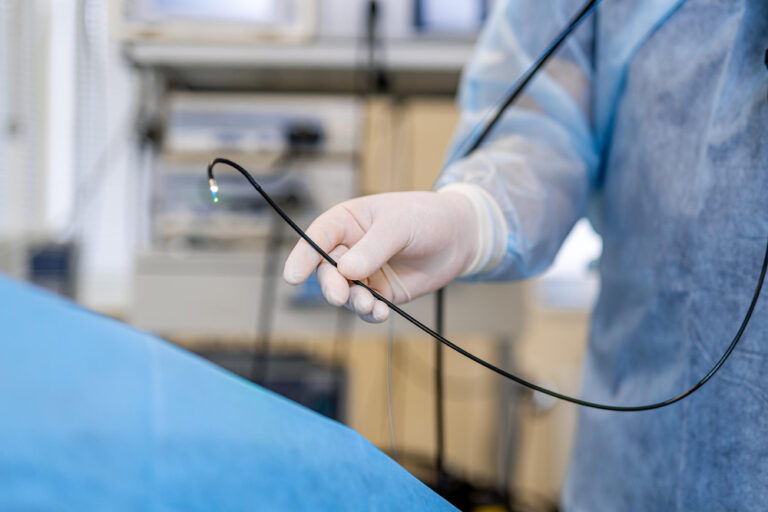
Gastroscopy screening in Singapore is typically performed as a day surgery procedure in the clinic. This means the patient can leave the clinic or hospital on the same day. The process involves several steps to ensure patient comfort and accurate diagnosis.
Here’s what to expect during a gastroscopy screening in Singapore:
Step 1: CONSULTATION
Before the gastroscopy screening in Singapore, the doctor will review your medical history, discuss any ongoing medical conditions, and address any concerns, questions, or clarifications you might have. This is also the time to inform the doctor about any allergies or medications you are taking.
STEP 2: SEDATION AND ANAESTHESIA
To ensure you do not feel discomfort during the gastroscopy procedure in Singapore, a sedative is usually administered intravenously to help you relax. Some patients may also receive a local anaesthetic spray to numb the throat, minimising the gag reflex and making it easier to insert the endoscope.
Patients may feel drowsy due to the sedation, but this is generally well-controlled by the clinic’s medical staff.
The sedation will wear off gradually after the gastroscopy procedure, but you should still avoid operating heavy machinery or making important decisions for at least 24 hours.
STEP 3: INSERTION OF THE ENDOSCOPE
During the insertion of the endoscope, you will be asked to lie on your left side. A soft mouth guard will also be placed in your mouth to protect your teeth during the procedure.
Once the sedation has taken effect, the gastroscopy doctor in Singapore will gently guide the endoscope through your mouth and down the oesophagus, into the stomach.
Throughout the gastroscopy procedure in Singapore, you will be able to breathe normally. Though you might feel a slight sensation of pressure or “fullness” as the doctor introduces a small amount of air to expand the stomach lining for better visibility.
STEP 4: INSPECTION AND TISSUE SAMPLES
The endoscope transmits real-time images to a monitor, allowing the doctor to closely inspect your oesophagus, stomach, and the first part of the small intestine (duodenum).
The doctor will look for abnormalities like inflammation, ulcers, or strictures. The gastroscopy doctor in Singapore may take tissue samples using small instruments passed through the endoscope for further analysis if needed. These samples can help diagnose gastritis, celiac disease, or gastric cancer.
STEP 5: ADDITIONAL PROCEDURES
Sometimes, the doctor may perform additional services during the gastroscopy to address specific issues. This can include removing polyps, dilating strictures, treating bleeding ulcers, or placing stents to open a narrowed area.
STEP 6: REMOVAL OF THE ENDOSCOPE
Once the examination is complete, the gastroscopy doctor in Singapore will carefully remove the endoscope, ensuring your comfort throughout the process.
STEP 7: RECOVERY
In Singapore, after the gastroscopy screening, patients are monitored in a recovery area until the sedative wears off. Depending on your reaction to the sedative, this can take anywhere from 30 minutes to a few hours.
You may experience a mild sore throat or bloating, which typically subsides within a few hours. Having someone accompany you to drive them home is essential, as you may still feel tired from the sedative.
STEP 8: POST-PROCEDURE CARE AND FOLLOW-UP
The doctor will discuss the results of the gastroscopy and provide any necessary recommendations for further tests, treatment, or lifestyle changes.
If tissue samples were taken, the results may take a few days to be processed, and the gastroscopy clinic in Singapore will schedule a follow-up appointment to discuss the findings.
How To Prepare For A Gastroscopy Screening/Surgery?
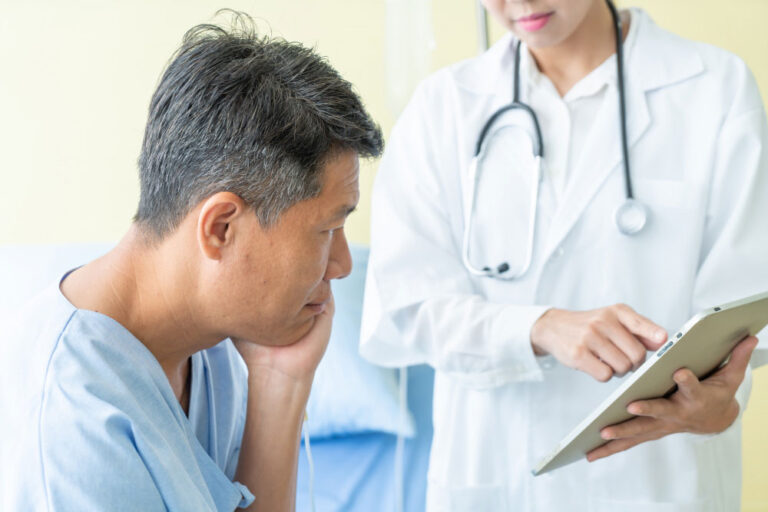
Proper preparation is essential for a successful gastroscopy screening in Singapore. Here’s how patients can get ready for the procedure:
FASTING
To ensure a successful gastroscopy, patients must have an empty stomach. This allows the gastroscopy doctor in Singapore to have a clear view of the upper GI tract and minimises the risk of complications, such as aspiration of stomach contents into the lungs.
Patients should follow a low-residue diet or refrain from eating or drinking for at least 6-8 hours before the procedure. This means no solid foods, liquids, or even gum.
Water may be allowed in small amounts up to two hours before the procedure, but patients should follow their doctor’s instructions.
ADJUST YOUR MEDICATION
Patients should provide their gastroscopy doctor in Singapore with a complete list of medications they are taking, including prescription drugs, over-the-counter medicines, vitamins, and supplements.
Some medications, such as blood thinners or nonsteroidal anti-inflammatory drugs (NSAIDs), may need to be adjusted or stopped temporarily before the gastroscopy.
This is because they can increase the risk of bleeding, especially if the doctor needs to take a biopsy or perform a therapeutic intervention during the procedure.
DON’T ENGAGE IN STRENUOUS ACTIVITIES
On the day of the gastroscopy in Singapore, patients should avoid engaging in strenuous activities or anything that may cause discomfort or stress.
They should arrange for a close friend or family member to accompany them to the procedure and drive them home afterwards, as they may feel tired and unable to drive safely due to the sedation administered during the procedure.
Is Getting A Gastroscopy Screening Safe In Singapore?
In Singapore, gastroscopy services are typically a very safe procedure and are valuable in diagnosing gastrointestinal issues like stomach ulcers, inflammation, or tumours.
However, as with any medical procedure, there is a small risk of complications, such as bleeding, infection, or perforation of the gastrointestinal tract.
Patients should be aware of these risks and discuss them with their doctor to make an informed decision about undergoing the procedure.
When Should You See a Gastroscopy Specialist?
Occasional digestive discomfort is normal, but when symptoms persist or feel unusual, it’s worth getting checked.
Gastroscopy screening in Singapore allows your specialist to examine your upper digestive tract and identify issues such as ulcers, inflammation, or bleeding before they become more serious.
Red Flags That Shouldn’t Be Ignored
If you notice any of the following symptoms, you should consult a gastroscopy doctor in Singapore promptly:
- Black or tarry stools (possible sign of internal bleeding)
- Persistent vomiting or vomiting blood
- Unexplained weight loss
- Ongoing abdominal pain or bloating
- Difficulty swallowing or pain when eating
- Persistent heartburn or acid reflux that doesn’t improve with medication
- Feeling full quickly after eating small amounts
- Fatigue or weakness related to anaemia
These warning signs may indicate ulcers, bleeding, or other conditions that require medical evaluation and should not be overlooked.
How Early Diagnosis Improves Treatment Outcomes
Many upper gastrointestinal conditions develop gradually and may not cause severe symptoms initially. Early detection of digestive conditions allows gastroscopy doctors in Singapore to identify problems when they are more manageable and easier to treat.
An early diagnosis is beneficial for:
- Spotting ulcers, inflammation, or abnormal growths before they worsen
- Starting treatment sooner to ease symptoms quickly
- Reducing the risk of complications or further damage
- Getting you back to comfortable eating and daily life faster
- Protecting your long-term digestive health
Comparing Gastroscopy to Other Diagnostic Procedures in Singapore
Understanding the differences between common gastrointestinal diagnostic procedures can help you make informed decisions about your care.
Gastroscopy vs Colonoscopy
A gastroscopy in Singapore examines your upper digestive tract — the oesophagus, stomach, and first part of the small intestine — with a flexible camera tube, offering a close-up view and the ability to take biopsies.
A colonoscopy focuses on the lower digestive tract, inspecting the large intestine and rectum. Both give direct insight, but each targets different areas and conditions.
Gastroscopy vs CT Scan
Gastroscopy screening in Singapore delivers a detailed view of the digestive lining and lets doctors take tissue samples for precise diagnosis. CT scans give a wider picture, revealing structural changes across your abdomen.
While CT scans are valuable for spotting broader issues, they cannot match gastroscopy for direct inspection and targeted tissue analysis.
Is Gastroscopy Painful?
In Singapore, many people wonder whether gastroscopy is uncomfortable. While it may sound daunting, the procedure is designed to be as smooth and tolerable as possible.
With the right sedation and preparation, most patients experience only minimal discomfort.
Sedation Options During Gastroscopy
Gastroscopy screening in Singapore is often performed under light sedation, which helps you stay relaxed and comfortable. Local throat sprays or numbing agents are applied to ease discomfort, while sedation levels are adjusted to suit you.
Can I request general anaesthesia?
General anaesthesia is not commonly used for routine gastroscopy in Singapore, but may be considered in certain cases, such as for those with severe anxiety, intolerance to sedation, or specific medical conditions.
Discuss your concerns with your specialist beforehand so they can determine the safest and most appropriate option for you.
What does recovery feel like?
Recovery from gastroscopy in Singapore is usually quick. You may feel drowsy for a few hours if sedation is used and have a mild sore throat or bloating afterwards. These effects generally ease within a day, allowing you to resume normal activities soon.
Diet & Lifestyle Tips After Gastroscopy Screening in Singapore
A gastroscopy screening in Singapore is a step you take to better understand your digestive health. What you eat and how you care for yourself afterwards can help you recover quicker.
What to eat after the procedure
After gastroscopy, choose light, easy‑to‑digest foods:
- Sip clear soups or broth
- Eat soft fruits like bananas
- Have plain rice or porridge
- Include steamed vegetables
- Drink herbal teas or warm water
Avoid heavy, spicy, or acidic foods for the first day to give your digestive tract time to rest.
Foods and habits to avoid
To support your recovery and prevent irritation:
- Skip alcohol and caffeine for at least 24 hours
- Avoid large, greasy, or heavily spiced meals
- Steer clear of carbonated drinks that cause bloating
- Refrain from smoking, which can irritate your digestive tract
By adopting these habits, you can help your digestive system recover smoothly and improve your digestive health in the long run.
Consult With Dr Leong About Gastroscopy Screenings And Costs/Prices In Singapore
Gastroscopy is essential for examining the upper gastrointestinal tract. Proper preparation, can help minimise the risk of complications and ensure a successful screening. Factors such as technology and specialist expertise can affect the cost of gastroscopy in Singapore.
If you are experiencing gastrointestinal issues or require colorectal surgery, schedule a consultation with Dr QM Leong.
As a colorectal specialist in Singapore, he is experienced in the diagnosis and treatment of various colorectal and gastrointestinal cancers. Get a detailed cost breakdown for a gastroscopy in Singapore and get your peace of mind.
Dr Leong also specialises in other areas of colorectal surgery, including cyst removal, gallstone removal, hernia surgery, colonoscopy screenings and more.
Frequently Asked Questions About Gastroscopy Screenings & Costs/Prices In Singapore
Does the cost of gastroscopy include follow-up consultations?
The cost of a gastroscopy in Singapore typically includes the procedure itself but may not always cover follow-up consultations. Our clinic provides clear pricing to help patients understand the gastroscopy cost in Singapore.Check with the clinic to understand what is included in the overall fee.
Are there additional charges for biopsy or lab tests if required during the gastroscopy?
Yes, there are often additional charges for biopsies or lab tests conducted during the gastroscopy. These gastroscopy costs are typically separate from the procedure fee and cover the analysis of tissue samples taken during the examination. Inquire about the prices with your gastroscopy doctor in Singapore when discussing possible procedures.
What are the financial options for patients unable to pay the total price upfront?
Many clinics offer various financial options for patients unable to pay the full price of gastroscopy upfront. These can include payment plans or assistance programs. Discuss these options with the clinic’s billing department to find a solution that fits your financial situation. At Advanced Colorectal and General Surgery, gastroscopy prices in Singapore aim to balance cost with the provision of necessary medical services.
How does your clinic ensure cleanliness and safety during gastroscopy services in Singapore?
Clinics ensure cleanliness and safety during gastroscopy services in Singapore by adhering to stringent sterilisation protocols and infection control measures. These protocols include using disposable equipment when possible, thoroughly sterilising reusable instruments, and maintaining a clean and sanitised environment.
What should I expect during my first visit to a gastroscopy doctor in Singapore?
During your first visit to a gastroscopy doctor in Singapore, you can expect a detailed review of your medical history and symptoms. The doctor will explain the procedure, its purpose, and what you must do to prepare. They may also conduct a physical examination and order preliminary tests. This visit is an opportunity to ask any questions and address any concerns.
What facilities should a reputable gastroscopy clinic in Singapore have?
A reputable gastroscopy clinic in Singapore should have modern equipment, a sterile and comfortable environment, and a highly trained medical team. The clinic should offer comprehensive services, including pre-procedure consultations, gastroscopy procedures, and post-procedure care. Accreditation from relevant health authorities is also a mark of a reputable clinic.
How does a gastroscopy clinic ensure patient privacy and confidentiality?
Gastroscopy clinics ensure patient privacy and confidentiality by following strict Singapore data protection protocols. Patient records are secured and only accessible to authorised personnel. Consultations and procedures are conducted in private rooms to ensure confidentiality.
Who should consider undergoing gastroscopy screening in Singapore?
Individuals experiencing symptoms such as persistent stomach pain, unexplained weight loss, difficulty swallowing, or chronic acid reflux should consider undergoing gastroscopy screening in Singapore. Additionally, those with a family history of gastrointestinal cancers or other risk factors may benefit from regular screenings. It is advisable to speak to a doctor to determine if gastroscopy is appropriate for you.
About Dr QM Leong
Colorectal & Hernia Surgeon in Singapore
Dr Leong is a general and colorectal surgeon in Singapore who graduated from the University of London in 2000. He obtained his membership to the Royal College of Surgeons of Edinburgh in 2003 and started working in Tan Tock Seng Hospital in 2003. He started his Advanced Specialist Training in 2005 and passed his fellowship exams in 2008. Dr Leong was awarded the prestigious MOH HMDP scholarship to train under Prof Kim Seon Hahn in Korea University for Laparoscopic and Robotic colorectal surgery in 2010.
Dr Leong is amongst a handful of hernia and colorectal surgeons in Singapore who practice Single Incision Laparoscopic surgery. This is a technical and complex procedure that is minimally invasive, speeds up recovery, and confers excellent cosmetic results. Dr Leong also routinely trains basic and advanced specialist trainees in laparoscopic surgery, and regularly proctors consultant surgeons in complex colorectal cases.
Beyond laparoscopic surgery, Dr Leong also performs a repertoire of minimally invasive General Surgery procedures. He is also an experienced endoscopist with more than 10000 procedures, performing diagnostic and therapeutic scopes for elective and emergency surgical conditions. He performs direct access colonoscopies and oesophago-gastro-duodenoscopy for patients and will strive to perform the procedures on the same day if possible for patients’ convenience.

Insurance
Our surgery is on the panel of most of the major insurance companies and if you are covered by corporate insurance, you may be entitled to a cashless visit to our clinic.
Get In Touch
Corporate Insurance Partners


Personal Insurance Partners