
- 12 min read
- A burning sensation in the rectum is common and, in most cases, caused by everyday factors such as spicy food, hygiene habits, haemorrhoids, or anal fissures.
- It is usually minor and settles with simple changes at home.
- Persistent or recurring burning can also point to an infection, incontinence, or a bowel condition that needs assessment.
- Certain signs, such as bleeding, weight loss, or a lump, should prompt a same-week consultation.
Table of Contents
ToggleWhen to See a Doctor: Red Flag Symptoms
Most burning sensations in the rectum are not a cause for alarm. Still, certain symptoms alongside the burning are worth taking seriously, since they can point to a condition that needs proper assessment rather than home care alone.| Symptom | Why It Matters |
|---|---|
| Rectal bleeding or blood in the stool | May indicate haemorrhoids, a fissure, or a condition that needs closer assessment |
| Unexplained weight loss | Can be a sign of a more significant underlying condition |
| Burning lasting more than one to two weeks | Suggests the cause may not resolve on its own |
| Fever or discharge | May point to an infection that needs treatment |
| A lump or mass near the anus | Should be examined to determine the cause |
| Persistent pain unrelated to bowel movements | May indicate a cause beyond simple irritation |
| Family history of colorectal cancer | A reason to have any persistent symptom checked rather than watched |
Common Causes of Burning Sensation in the Rectum
This section covers eight common causes, listed roughly from most to least common. Most resolve with simple changes to diet, hygiene, or bowel routine, though a few need medical treatment to fully settle.1. Spicy Foods
If you enjoy spicy food, you may have noticed a burning sensation when passing stool afterwards. This can happen because of how the body processes certain compounds found in chilli. The primary culprit behind this sensation is a compound found in chillies called capsaicin. When consumed, capsaicin interacts with receptors in our digestive tract, leading to that familiar fiery feeling on the palate. As the food moves through the digestive system, this sensation can persist, resulting in a burning feeling during or after a bowel movement. The good news is that this discomfort can often be managed by moderating one’s intake of spicy foods. If you find that spicy meals tend to cause discomfort, consider the following suggestions:- Choose Milder Options: Opting for dishes with milder chillies or less generously seasoned can provide the flavours you enjoy without the unpleasant after-effects.
- Experiment with Creamy Ingredients: Adding dairy products like yoghurt or cream to spicy dishes can temper the heat, thanks to the fat molecules in dairy that bind with capsaicin.
- Monitor Your Reaction: Not everyone’s tolerance to spicy foods is the same. Pay attention to how your body reacts to different levels of spiciness, and adjust your intake accordingly.
- Stay Hydrated: Drinking plenty of water or other non-alcoholic beverages during a meal can help ease the immediate effects of spicy food.
2. Hygiene and Skin Irritation
Poor hygiene, particularly in the anal area, can contribute to discomfort and various health issues, including a burning feeling in the rectum. The presence of residual faecal matter, overuse of harsh soaps, or too much wiping with rough toilet paper can irritate the anus, causing sensations such as anal itching or burning pain. Below are tips to maintain good hygiene and prevent these discomforts:- Proper Cleaning: Clean the area with warm water and gentle, unscented soap after a bowel movement. Scrubbing too hard can lead to anal skin irritation, so avoid it.
- Soft Toilet Paper: Opt for soft, unscented toilet paper. Wipe gently to avoid abrasions or discomfort near the anus.
- Avoid Over-Wiping: Excessive wiping can lead to anal fissures, and these fissures can cause sharp pain and even rectal bleeding.
- Be Mindful of Other Symptoms: If you notice other symptoms, such as changes in the anus changes, persistent anal burning, or blood in the stool, it may indicate a more serious underlying cause, such as inflammatory bowel disease, external haemorrhoids, or anal or rectal cancer.
- Seek Professional Help if Needed: If maintaining proper hygiene doesn’t alleviate the symptoms or if you notice any of the following symptoms that persist, consult a healthcare provider for a proper rectal examination. They can take a detailed medical history and provide appropriate treatment.
3. Haemorrhoids
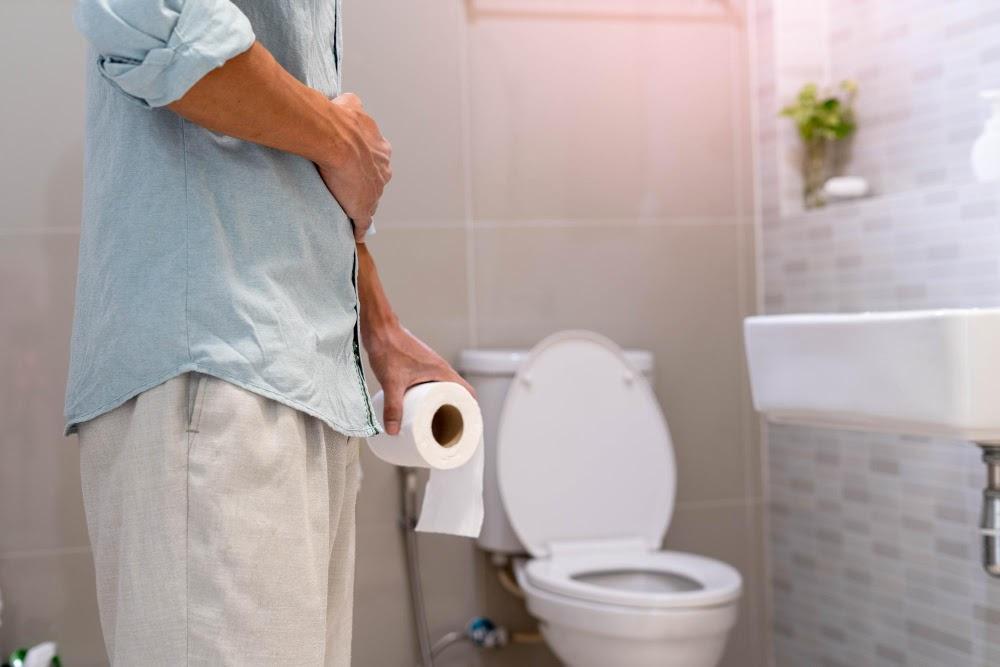
Haemorrhoids, or piles, are inflamed veins in the lower rectum or around the anus, often caused by increased pressure during bowel movements, chronic constipation or prolonged sitting.
These can be classified into internal and external haemorrhoids:
- Internal haemorrhoids form higher up inside the rectum. They are usually painless and tend to present as bleeding rather than discomfort
- External haemorrhoids develop under the skin around the anus. They are more likely to cause pain, swelling, or a burning sensation, particularly when sitting or passing stool
Management and treatment of haemorrhoids may involve over-the-counter creams, soaking in a warm bath, or dietary changes to relieve constipation and avoid hard and dry stools. If the burning sensation or other discomforts persist, consultation with a colorectal doctor is advisable to ensure proper diagnosis and tailored treatment for this common symptom of anal discomfort.
4. Anal Fissures
An anal fissure is a small tear or crack in the lining of the anal canal, often caused by constipation, passing hard stools, or, in women, childbirth. The typical pattern is a sharp pain during a bowel movement, followed by a burning or aching sensation that can last for some time afterwards. Some fissures also cause light bleeding.
First-line treatment usually includes increasing dietary fibre, using stool softeners, and taking warm sitz baths to ease the muscle spasm around the tear. A doctor may also recommend a topical treatment to support healing. Where a fissure does not heal with these measures, further treatment may be needed.
5. Diarrhoea or Loose Stools
Frequent loose stools, and the extra wiping they involve, can irritate the sensitive skin around the anus and cause burning during or after a bowel movement. Gentle cleansing, patting or rinsing the area rather than wiping repeatedly, along with staying well hydrated, can ease the irritation.
Diarrhoea that lasts more than three days, or that comes with blood or fever, is worth having reviewed by a doctor rather than managed at home.
6. Stool Incontinence
Incontinence of stool, or faecal incontinence, is the inability to control passing stool, leading to the unintentional leakage of faecal matter. This distressing condition can create various complications and discomforts, including a burning sensation in the rectum, rectal itching, and mild pain in the anus.
Several factors may contribute to stool incontinence, such as muscle damage, chronic diarrhoea, nerve damage, or underlying health conditions like irritable bowel syndrome, rectal prolapse, or prostate gland issues.
The causes of anal incontinence can be complex and multifaceted, sometimes involving chronic digestive tract inflammation or complications from surgeries or childbirth. Liquid stool may exacerbate the condition, causing further irritation or burning sensations in the rectal area.
Treatment typically begins with understanding the underlying cause and may include dietary changes, medication to treat diarrhoea or constipation, pelvic floor exercises, or even surgical interventions in more severe cases. Over-the-counter remedies such as stool softeners might be helpful in some instances.
6. Infections in the Rectal Area
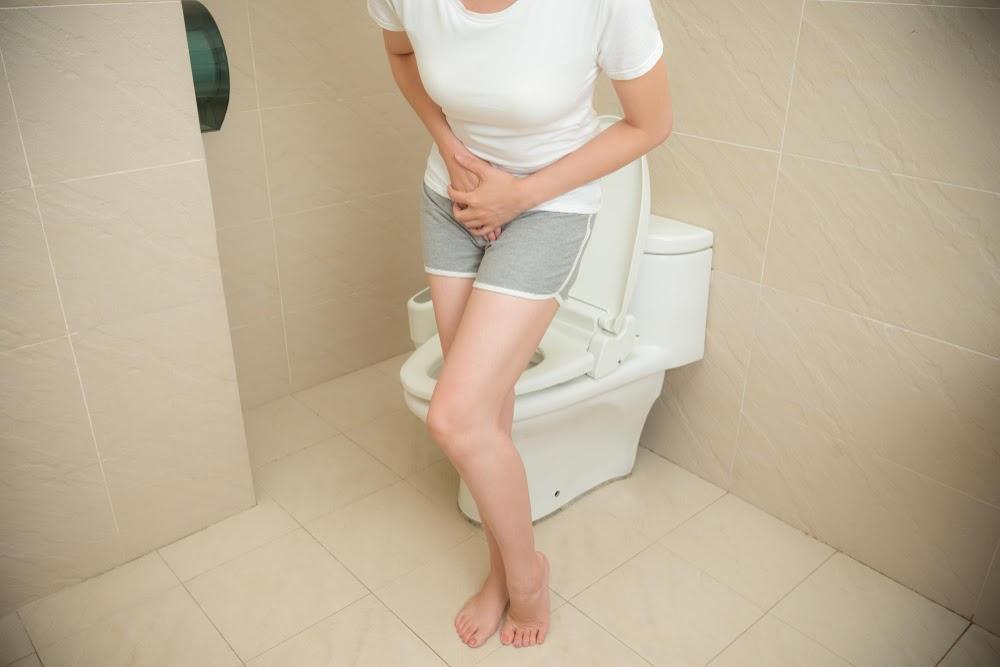
Infections in the rectal area can also cause discomfort, including mild pain, itching, or a burning sensation. Several types of infection may be responsible:
- Sexually transmitted infections, including chlamydia, gonorrhoea, herpes, and HPV, which may cause burning, discharge, or visible changes to the skin
- Fungal or bacterial skin infections, which typically cause itching, burning, and sometimes discharge
Engaging in unprotected anal sex or having anal intercourse with multiple partners can increase the risk of infections. Additionally, certain skin conditions or chronic inflammation in the digestive tract can worsen the problem.
The causes of anal infections can vary widely. Still, they may be connected to hygiene practices, the presence of an anal fistula (a small channel that can form between the anal canal and the skin nearby), or even underlying health issues like irritable bowel syndrome or rectal prolapse. The symptoms can be similar to other anal problems, making professional diagnosis vital.
8. Proctitis or Inflammatory Bowel Disease
Burning that is chronic or keeps recurring, particularly when it is not linked to a specific meal or bowel movement, can sometimes be associated with proctitis or inflammatory bowel disease, such as ulcerative colitis or Crohn’s disease. These conditions may also cause urgency, mucus, or blood in the stool.
Because these conditions need a specialist diagnosis, ongoing or unexplained burning of this kind is worth having assessed rather than managed with home measures alone.
Is a Burning Sensation a Sign of Cancer?
On its own, a burning sensation in the rectum is rarely a sign of anal or rectal cancer. It is far more often linked to one of the causes above. Still, a proper assessment is appropriate where burning comes with red flags such as bleeding, unexplained weight loss, a lump, or symptoms that persist beyond a couple of weeks. Addressing these worries directly, rather than searching for reassurance online, is generally the quickest way to find out what is going on.
Relief Measures
Many causes of rectal burning improve with simple measures at home:
- Warm Sitz Baths: Sitting in a few inches of warm water for 10 to 15 minutes may ease discomfort and help relax the surrounding muscles.
- Barrier Creams or Ointments: These may help protect irritated skin and reduce burning.
- Loose, Breathable Underwear: This may reduce friction and moisture around the area.
- Gentle Cleansing: Patting or rinsing the area, rather than wiping, is generally gentler on irritated skin.
- Adequate Fibre and Fluids: These help keep stools soft and may reduce straining.
Over-the-counter products can be reasonable for short-term relief of mild symptoms. Where burning persists beyond one to two weeks, recurs frequently, or comes with any of the red-flag symptoms above, it is a sign to stop self-treating and arrange a proper assessment instead.
Burning Sensation Treatment in Singapore: What to Know
A GP is often a reasonable first stop for a new or mild symptom, particularly where it appears linked to diet or hygiene. A referral to a colorectal specialist is generally appropriate where symptoms persist, recur, involve bleeding, or where the GP is unable to identify a clear cause.
A specialist consultation typically begins with a discussion of your symptoms and medical history, followed by a physical examination. This may include a proctoscopy, a brief examination using a narrow instrument to view the lower rectum and anal canal, which allows the doctor to check for haemorrhoids, fissures, or other visible causes.
Consultations and minor procedures for this type of assessment are generally claimable under MediSave and most insurance or Shield plans, subject to your policy’s terms. The exact coverage and any out-of-pocket cost depend on your individual plan and the treatment required, so it is worth checking with your insurer or discussing this at your consultation.
Conclusion on Burning Sensation in the Rectum
A burning sensation in the rectum is usually caused by something minor, such as diet, hygiene, or haemorrhoids, and tends to settle with simple changes. Where it persists, recurs, or comes with bleeding, weight loss, or a lump, it is worth having assessed rather than managed alone. If your symptoms persist, consider scheduling a consultation with Dr Leong.
Frequently Asked Questions About Burning Sensation in the Rectum
Are over-the-counter products effective for treating hemorrhoids and anal fissures?
Over-the-counter products like creams, ointments, and stool softeners can temporarily relieve symptoms related to haemorrhoids and anal fissures. However, they may not address the underlying cause.
Consulting with a healthcare provider to obtain an accurate diagnosis and appropriate treatment plan is best.
Is stool incontinence permanent, or are there effective treatment options available?
Stool incontinence is not necessarily permanent. Treatment options vary depending on the underlying cause and may include dietary changes, medication, pelvic floor exercises, or surgery in more severe cases.
A medical professional can provide a comprehensive assessment and treatment plan tailored to individual needs.
If I suspect an infection, what steps should I take to prevent it from worsening?
If an infection is suspected, it is advisable to seek medical attention promptly. Infections in the rectal or anal area can become serious if left untreated.
A healthcare provider can conduct a proper evaluation, prescribe the appropriate antibiotics or other treatments, and provide guidance on hygiene and care to prevent the condition from worsening.
How long does a burning sensation in the anus last?
Typically, mild discomfort may last a few hours to a couple of days. However, if the burning persists or is accompanied by other symptoms, it’s essential to consult a medical professional.
Is a burning sensation in the rectum a sign of cancer?
Rarely on its own. It is far more often linked to causes such as haemorrhoids or irritation.
How do I stop a burning sensation in my anus immediately?
A warm sitz bath, a barrier cream, and loose clothing can ease discomfort quickly. If the cause is unclear or symptoms persist, a proper assessment is the more reliable next step.
Why does my anus burn after I poop?
This is often due to irritation from wiping, loose stools, or a fissure or haemorrhoid. Gentle cleansing and watching for other symptoms usually clarifies whether further care is needed.
Is burning in the rectum a symptom of piles or fissures specifically?
It can be, particularly external haemorrhoids or a fissure, both of which tend to cause pain or burning around the anus. A physical examination can confirm which, if either, is the cause.
When should I see a doctor for the burning sensation in my anus?
It is worth seeing a doctor if burning lasts more than one to two weeks, keeps recurring, or comes with bleeding, a lump, fever, or weight loss.
Can diarrhoea or loose stools cause a burning sensation in the rectum?
Yes. Frequent loose stools, and the extra wiping they involve, can irritate the skin around the anus. Diarrhoea lasting more than three days, or with blood or fever, is worth having reviewed.