

Table of Contents
ToggleKey Takeaways
No single food directly causes appendicitis. The condition develops mainly from a blockage inside the appendix, such as a hardened lump of stool, though long-term dietary habits, like a consistently low-fibre diet, may also affect digestive health and play a part. A fibre-rich, balanced diet with enough fluids supports healthy digestion, and any persistent or worsening abdominal pain is worth having assessed by a doctor.
Appendicitis is a common and potentially serious medical condition when the appendix becomes inflamed and swollen. The appendix is a small, finger-shaped pouch on the lower right side of the abdomen connected to the large intestine.
Appendicitis typically requires prompt medical treatment, and in severe cases, surgery may be necessary to remove the inflamed appendix.
Several factors can cause inflammation and swelling of the appendix, including infection, blockage, and trauma. While no single food can directly cause appendicitis, certain dietary habits and food choices have been linked to an increased risk of developing the condition.
In this article, we’ll explore what dietary habits could potentially increase the risk of developing appendicitis.
How Does Food Affect Your Appendicitis Risk?
Food affects your risk mainly through its impact on the bowel. A diet low in fibre can lead to constipation, and hard, dry stools may form a faecalith, a small hardened lump of stool that can block the opening of the appendix. This kind of blockage is one of the more recognised triggers for appendicitis. Diets high in processed and sugary foods may also disrupt the gut microbiome, the community of bacteria in the gut, contributing to inflammation that affects overall digestive health.
Can Food Directly Cause Appendicitis?
No, no single food directly causes appendicitis. The condition develops when the appendix becomes blocked and inflamed, and that blockage is usually internal, such as a faecalith, rather than something you have eaten.
What food can do is shape the conditions that make a blockage more likely, since long-term habits like a consistently low-fibre diet can contribute to the constipation and digestive changes involved. In other words, diet is best understood as one possible influence over time rather than a direct cause.
1. Processed Meats And Fried Foods

Growing evidence suggests that diets high in processed meats and fried foods are associated with poorer digestive health, although a direct causal link with appendicitis is not well established. Processed meats such as hot dogs, sausages, and bacon are often high in fat, sodium, and preservatives. This includes local, everyday favourites such as luncheon meat, ham, and Bak kwa.
Similarly, fried foods such as French fries, onion rings, and fried chicken are typically high in fat and calories. In Singapore, that extends to dishes like char kway teow, fried hokkien mee, you tiao, and BBQ chicken wings, which are tasty but heavy on oil.
Some research has linked diets high in red and processed meats with a greater likelihood of digestive problems, though the evidence specific to appendicitis remains limited. Processed meats and fried foods may affect digestive health through mechanisms that are not yet fully understood. It is thought that the high-fat content and low fibre in these foods can contribute to constipation, which in turn can play a part in the blockages associated with appendicitis.
Healthier choices are easy to find at the same stalls. Soup-based options such as yong tau foo or sliced fish soup, steamed rather than fried dishes, and sides of vegetables in place of fried snacks all keep meals lighter while adding fibre.
2. High-Fat And High-Cholesterol Foods
Eating high-fat and high-cholesterol foods has sometimes been linked with poorer digestive health, though a direct link with appendicitis is not well established. High-fat foods such as cheese, butter, and fatty meats are low in fibre, and diets low in fibre can contribute to constipation and irregular bowel movements. When stools become hard and dry, they can occasionally form a faecalith, a small hardened lump of stool that may block the opening of the appendix. This blockage is one of the more commonly recognised triggers for appendicitis.
Additionally, high-cholesterol foods such as egg yolks, liver, and shellfish can lead to the formation of gallstones, which are hardened deposits that form in the gallbladder. Gallstones are a separate condition from appendicitis and are managed through their own gallstone treatment, but they share something in common: both can involve a blockage causing pain that needs proper assessment.
3. Refined Carbohydrates And Sugary Snacks

Studies have suggested that diets high in refined carbohydrates and sugary snacks may be associated with poorer digestive health, though a direct link with appendicitis is not well established.
Foods, such as white bread and plain white rice, sweet kueh and pastries, sugared kopi and teh, and bubble tea, which are high in sugar and refined carbohydrates can cause a rapid increase in blood sugar levels, leading to an insulin spike. This, in turn, may cause inflammation in the digestive tract, which may increase the risk of infection and blockages in the appendix.
Additionally, high sugar intake has been associated with changes in the gut microbiome, the community of bacteria living in the gut. A diet heavy in processed and sugary foods may encourage less helpful bacteria while reducing beneficial ones, and this imbalance has been linked to various digestive disorders.
Small swaps make this easier to manage day to day. Choosing brown rice or wholemeal bread over their white versions, asking for kopi or teh with less sugar, picking fresh fruit instead of sweet pastries, and treating bubble tea as an occasional rather than daily drink all add up over time.
It is important to note that consuming refined carbohydrates and sugary snacks in moderation as part of a balanced diet is unlikely to cause appendicitis. Regular consumption in large amounts is better understood as something that may affect overall digestive health rather than a proven cause of appendicitis.
4. Dairy Products And Other High-Lactose Foods
The link between dairy products and appendicitis is still not entirely clear. However, some studies have suggested that consuming high-lactose dairy products, such as milk, cheese, and ice cream, may be associated with digestive symptoms in people who do not tolerate lactose well.
Lactose is a type of sugar that requires lactase, an enzyme produced in the small intestine, to be broken down and absorbed properly. People who are lactose intolerant lack sufficient lactase, leading to incomplete digestion of lactose in the small intestine. Lactose intolerance is particularly common among people of Southeast Asian descent, so for many in Singapore, dairy can be a frequent source of digestive discomfort.
The incomplete digestion of lactose can cause bloating, diarrhoea, and abdominal pain. These symptoms can occasionally resemble the discomfort of other abdominal conditions, which is one reason digestive complaints are worth assessing properly rather than self-diagnosing.
Additionally, consuming high-lactose foods may also cause changes in the gut microbiome, leading to an imbalance of bacteria and an increased risk of infection. However, the evidence linking dairy products to appendicitis is inconclusive.
5. Spicy And Acidic Foods
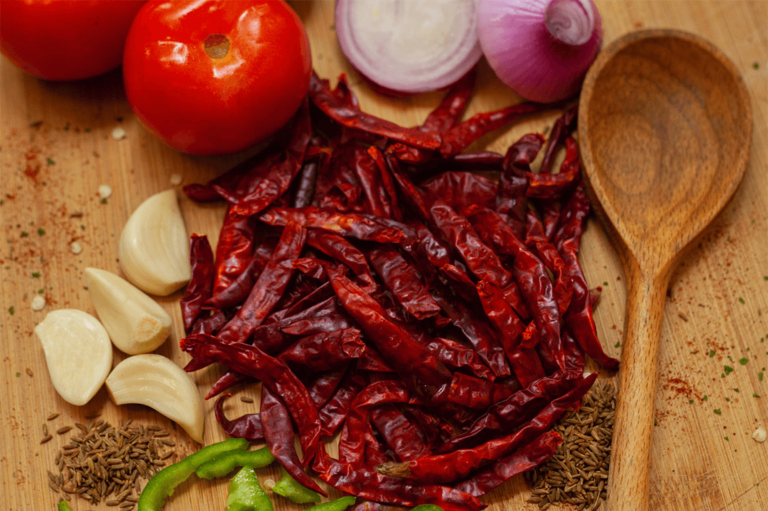
Spicy and acidic foods are often blamed for appendicitis, but they do not directly cause it. While there is limited research on the direct link between spicy and acidic foods and appendicitis, what the evidence does suggest is that they can cause irritation and inflammation in the digestive tract.
Spicy foods contain capsaicin, a compound that can irritate the digestive system and cause inflammation. Acidic foods, such as citrus fruits, tomatoes, and vinegar, can also irritate the lining of the digestive tract and cause inflammation. In some people, this leads to discomfort, cramping, or a burning sensation in the abdomen. The important point is that this irritation can mimic the early symptoms of appendicitis rather than cause the condition itself.
For individuals already experiencing abdominal pain or digestive discomfort, consuming spicy or acidic foods can further exacerbate symptoms, which can make it harder to tell ordinary irritation apart from a problem that needs assessment.
If you are unsure whether your symptoms are due to something you have eaten or need checking, it is worth having them assessed by a healthcare professional.
6. Low-Fibre Foods And Dehydration
A diet low in fibre, combined with not drinking enough fluids, can affect bowel regularity and is sometimes discussed in relation to appendicitis. Low fibre intake can contribute to constipation, and hard, dry stools may occasionally form a faecalith, a small hardened lump of stool that can block the appendix.
Local staples such as white rice, refined noodles, and fried snacks are low in fibre, while Singapore’s heat, long hours indoors with air-conditioning, and relying on kopi or sweetened drinks rather than plain water can all add to dehydration.
Health authorities generally recommend a daily fibre intake of around 20 grams for adults, alongside adequate water, to support regular and comfortable bowel movements.
Common Food Myths About Appendicitis Debunked
Despite popular belief, swallowing seeds or chilli seeds does not cause appendicitis, as they pass harmlessly through the digestive tract in almost everyone. Spicy food is also often blamed, but there is no good evidence that it causes appendicitis, though it may irritate a sensitive gut in some people.
Foods That Help Protect Your Appendix Health
Rather than focusing only on what to limit, it helps to consider the foods that support good digestive health. The choices below are sensible for general wellbeing, even though no diet can guarantee protection against appendicitis:
|
Food Category |
Examples |
Benefits |
|---|---|---|
|
High-fibre foods |
|
Add bulk and softness to stools, supporting regular bowel movements and reducing the constipation that can contribute to blockages |
|
Lean proteins |
|
Provide nourishment without the high saturated fat found in many processed and fried meats |
|
Probiotic foods |
|
Help maintain a balanced gut microbiome, which supports overall digestive health |
|
Anti-inflammatory foods |
|
Contain nutrients that may help reduce inflammation in the body |
Is It Really Appendicitis?
There are several health problems that can mimic the symptoms of appendicitis, such as an everyday upset stomach, leading to a misdiagnosis or delayed diagnosis. Some of these conditions include:
|
Condition |
What It Is |
How It Differs From Appendicitis |
|---|---|---|
|
Gastroenteritis |
A viral or bacterial infection of the digestive tract that can cause abdominal pain, nausea, and vomiting. |
Pain tends to be generalised and crampy rather than settling in the lower right abdomen, and it often comes with diarrhoea that eases between episodes. |
|
Urinary tract infection (UTI) |
An infection that can cause lower abdominal pain, fever, and urinary symptoms, such as severe pain or burning during urination. |
Discomfort centres on urination and the bladder area rather than migrating to and localising in the lower right abdomen. |
|
Ovarian cysts |
Large fluid-filled sacs on the ovary that can cause pain and discomfort in the lower abdomen, which can be mistaken for appendicitis. |
Pain may be linked to the menstrual cycle and can occur on either side, whereas appendicitis pain typically settles on the lower right. |
|
Inflammatory bowel disease (IBD) |
Conditions such as Crohn’s disease or ulcerative colitis that can cause abdominal pain, diarrhoea, and other ongoing symptoms. |
Symptoms usually build up or recur over weeks to months, rather than coming on suddenly over a matter of hours. |
|
Pelvic inflammatory disease (PID) |
An infection of the female reproductive organs that can cause lower abdominal pain, fever, and other symptoms. |
Pain often spreads across both sides of the lower abdomen and may come with vaginal discharge, rather than a single point of tenderness. |
It is important to seek medical attention promptly if you experience symptoms of abdominal pain or discomfort, as prompt diagnosis and treatment can help prevent complications and ensure a speedy recovery.
What To Do When You Have Appendicitis Symptoms
If a doctor suspects a patient has appendicitis, they may order several tests to confirm the diagnosis.
One common test is a physical examination of the abdomen, in which the doctor may look for signs of inflammation, such as tenderness and swelling in the lower right part of the abdomen.
Blood tests may also be performed to check for signs of infection, such as an elevated white blood cell count. Urine tests are also used for the same effect.
Imaging tests, such as an abdominal ultrasound or computed tomography (CT) scan, may be ordered to visualise the appendix and check for any signs of inflammation or blockages.
In some cases, a doctor may also perform a diagnostic laparoscopy, in which a small camera is inserted into the abdomen to directly visualise the area and diagnose appendicitis.
In Singapore, the laparoscopic, or keyhole, approach is commonly used to remove an inflamed appendix, as the small incisions involved generally support a quicker recovery than open surgery.
If left untreated, and your appendix bursts, it can require surgery. At this point, you will feel severe abdominal pain, and you will need to go to the emergency department right away.
It is important to seek medical attention promptly from a colorectal surgeon if appendicitis is suspected, as prompt treatment is crucial to prevent complications.

Appendicitis In Singapore: What You Should Know
Appendicitis is one of the more common reasons for emergency abdominal surgery in Singapore, affecting people across all age groups. While diet alone does not cause it, the availability of fried and processed hawker and fast foods has shaped local eating habits in ways that may affect digestive health.
MediSave can generally be used towards appendix removal. Where suitable, the appendix can be removed using laparoscopic, or keyhole, surgery, which uses small incisions and supports a quicker recovery.
Conclusion On Foods That Can Cause Appendicitis
Ultimately, no single food causes appendicitis. It develops mainly from a blockage within the appendix rather than from any one item on your plate, so it is better understood through overall habits and choices than through a short list of foods to avoid.
Hence, it’s important to consider the foods we can incorporate into our diets that promote digestive health. Some of these pro-digestive health foods are fibre-rich fruits and vegetables, lean proteins, and whole grains.
If you are experiencing any symptoms of appendicitis, don’t hesitate to contact Advanced Colorectal and General Surgery and schedule a consultation today.
Frequently Asked Questions On Foods That Can Cause Appendicitis
Can Spicy Food Cause Appendicitis?
No, spicy food does not cause appendicitis. Research on any direct link is limited, and while spicy food can irritate the digestive system in some people, that irritation may mimic the early symptoms of appendicitis rather than cause the condition. If you are unsure whether your discomfort is down to something you ate, it is worth having it assessed.
Does A Vegetarian Diet Reduce The Risk Of Developing Appendicitis?
There is no conclusive evidence that suggests a vegetarian diet reduces the risk of developing appendicitis. However, a diet rich in fibre, fruits, and vegetables may promote overall digestive health, reducing the risk of developing digestive disorders, including appendicitis.
Are There Any Specific Foods That Can Prevent Appendicitis?
There are no specific foods that can prevent appendicitis. However, maintaining a healthy and balanced diet rich in fibre, fruits, and vegetables may promote overall digestive health and reduce the risk of developing digestive disorders, including appendicitis.
Should I Avoid All Fast Food To Prevent Appendicitis?
There is no definitive evidence to suggest that avoiding all fast food can prevent appendicitis. However, consuming fast food regularly, especially fried and processed foods, has been associated with an increased risk of developing appendicitis.
Can Seeds Cause Appendicitis?
Seeds are very unlikely to cause appendicitis. The long-held idea that swallowed seeds lodge in the appendix and set it off is not well supported, as appendicitis is usually caused by an internal blockage, such as hardened stool, rather than by a specific food. Eating seeds as part of a normal diet is not a recognised cause.
Can Chilli Seeds Cause Appendicitis?
There is no good evidence that chilli seeds cause appendicitis. Like other seeds, they pass through the digestive tract without lodging in the appendix in the vast majority of people. Spicy foods may irritate the gut in some individuals, but that is different from causing appendicitis.
What Is The Main Dietary Cause Of Appendicitis?
There is no single proven dietary cause of appendicitis. Most cases are linked to a blockage inside the appendix rather than to any one food, though a diet low in fibre is the dietary factor most often discussed in research. The evidence remains limited, so diet is best understood as one possible influence rather than a direct cause.
Can Eating Too Much Cause Appendicitis?
Eating too much does not directly cause appendicitis. Overeating may lead to bloating, discomfort, or indigestion, but these are not the same as the inflammation of the appendix that defines the condition. If abdominal pain is severe or persistent, it is worth having it assessed rather than assuming it is simply down to a large meal.
What Are The Early Warning Signs Of Appendicitis?
Early appendicitis often begins with a dull pain near the navel that gradually shifts to the lower right side of the abdomen. Other common signs include loss of appetite, nausea, a mild fever, and pain that worsens with movement or coughing. Because these symptoms can develop quickly, persistent or worsening abdominal pain should be assessed without delay.
Can Food Poisoning Be Mistaken For Appendicitis?
Yes, food poisoning can be mistaken for appendicitis. Both can cause abdominal pain, nausea, and vomiting, which is why the two are sometimes confused in the early stages. A proper assessment helps tell them apart, as appendicitis pain tends to localise to the lower right abdomen and steadily worsen.
Is Appendicitis Surgery Covered By MediSave In Singapore?
MediSave can generally be used towards the cost of appendix removal surgery in Singapore, as it is an inpatient surgical procedure. The amount you can withdraw is subject to MediSave limits, and any remaining cost may be claimable through insurance or a Shield plan, depending on your coverage. It is best to check your specific entitlements with the clinic or your insurer before the procedure.
How Can I Reduce My Risk Of Appendicitis Through Diet?
Appendicitis cannot be reliably prevented through diet, but a fibre-rich diet supports healthy digestion and regular bowel movements, which may help. Fruits, vegetables, and wholegrains, along with adequate fluids, are sensible choices for overall digestive health. These habits are worth maintaining for general wellbeing, even though they are not a guaranteed safeguard against appendicitis.