Ulcers In Rectum: Causes, Treatment, Symptoms, And More 

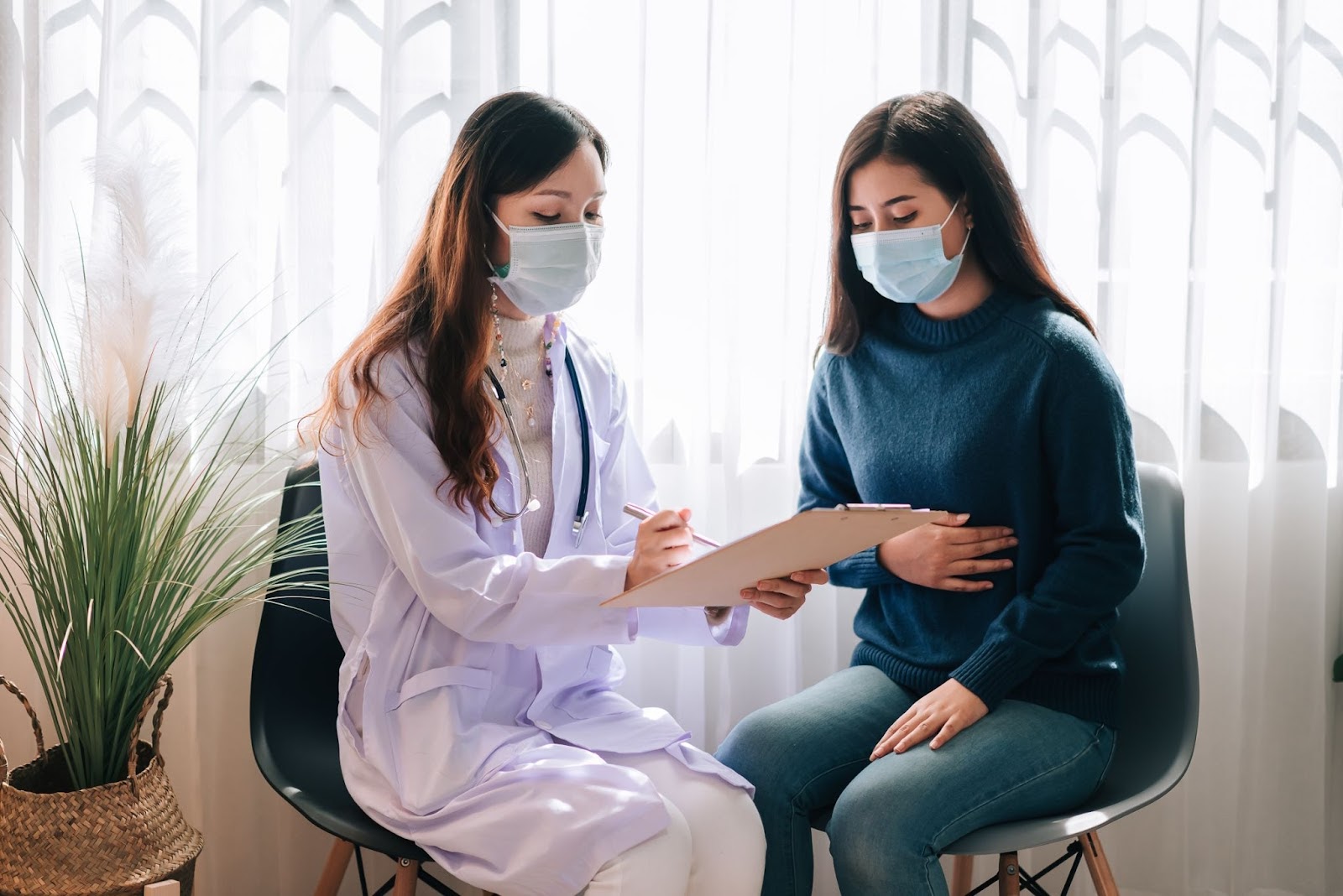
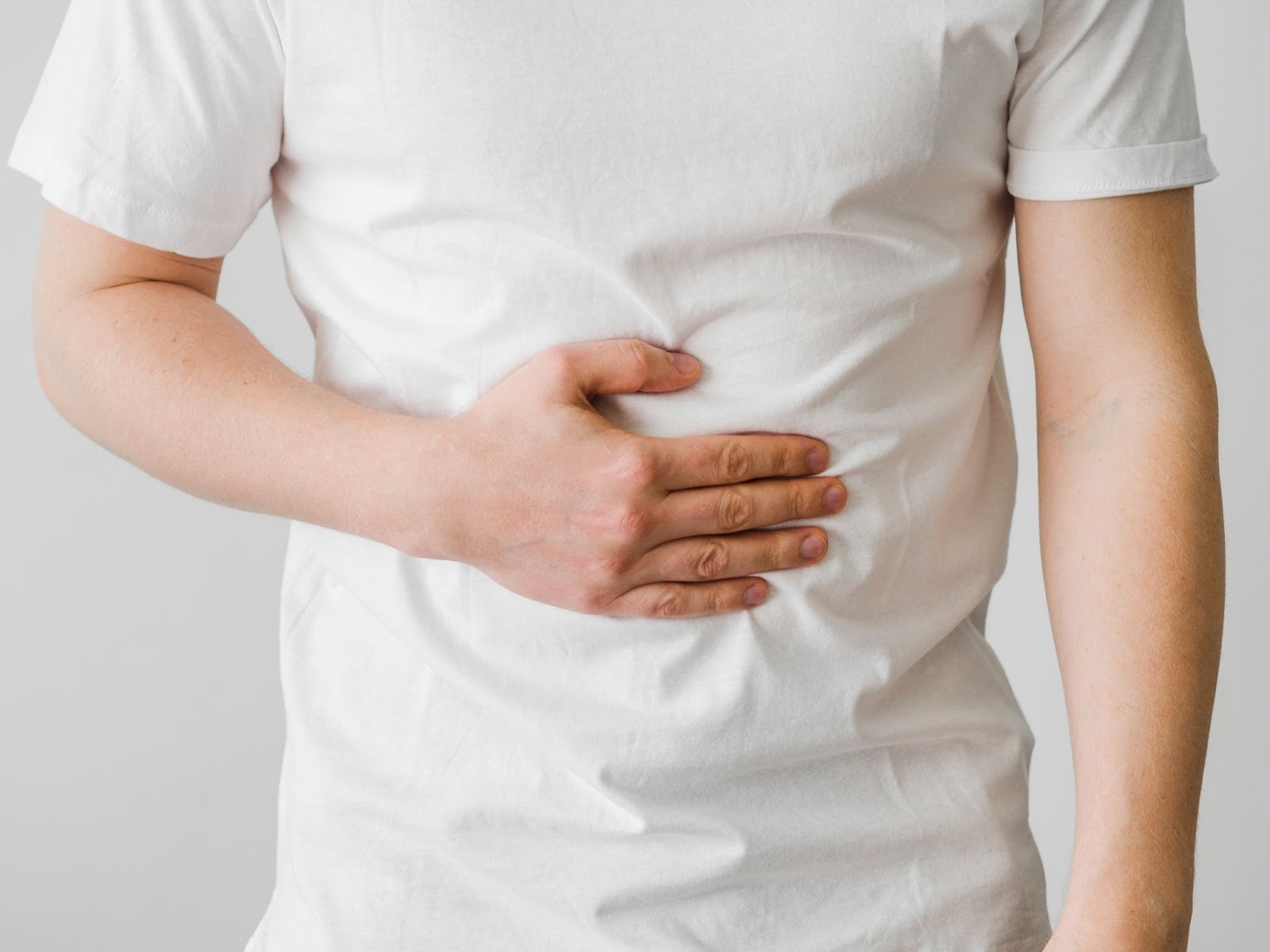
Person feeling pain in their stomach, a symptom for ulcers in the rectum

Ulcers in the rectum are a medical condition that often represents a complex and multifaceted issue within the gastrointestinal tract. They are defined as sores or lesions on the rectal wall’s lining. The presence of these ulcers may be associated with various underlying conditions, including solitary rectal ulcer syndrome (SRUS), inflammatory bowel disease, or ischemic trauma.

Although the prevalence of an ulcer in the rectum is relatively rare, its impact on overall health should not be underestimated. Solitary rectal ulcer syndrome, for example, is a benign disorder that can cause significant discomfort and disruption to daily life.

Rectal bleeding, rectal pain, and alterations in bowel habits are common signs and symptoms that necessitate proper medical attention.

Understanding this condition is vital, not only for those suffering from the symptoms but also for medical professionals who may encounter rectal ulcers in their practice.

This recognition may lead to early diagnosis, crucial in managing and treating the underlying causes, whether chronic constipation, pelvic floor disorders, or conditions like ulcerative colitis and Crohn’s disease.


Symptoms Of Ulcer In Rectum

The presence of an ulcer in the rectum can manifest through various symptoms. Recognising these signs earlier can be crucial in diagnosing and treating the underlying condition. Here’s what one should look out for:

Pain Or Discomfort

An ulcer in the rectum often leads to localised pain or discomfort, especially during a bowel movement. The inflammation or irritation of the rectal mucosa can cause persistent sensations of unease, which can be particularly bothersome for some individuals.

Blood In Stool

Bleeding is one of the most noticeable rectal ulcer symptoms. Fresh blood or dark, tarry stools might indicate damage to the anterior rectal wall or a solitary ulcer. It’s essential to consult a healthcare provider if such symptoms occur, as they may require endoscopic findings or a histological examination for a proper differential diagnosis.

Mucous Discharge

When the inner lining of the rectum produces more mucus or becomes red and swollen, it might be due to sores (ulcers). These changes can be signs of conditions like Rectal Ulcer Syndrome (SRUS) or a problem with blood flow to the colon called ischemic colitis.

Urgency In Bowel Movements

Rectal hypersensitivity may lead to a frequent or urgent need to pass stool. This urgency can be associated with rectal intussusception or incomplete evacuation, a feeling that the stool is not entirely passed. Such a sensation could be linked to pelvic floor disorders or overt rectal prolapse.

Rectal ulcers can present symptoms similar to those of colon cancer, making a proper diagnosis crucial.


Causes Of Ulcer In The Rectum

Understanding the underlying causes of an ulcer in the rectum is fundamental to the appropriate diagnosis and management of this condition. Here is an overview of both common and rare factors that may contribute to the development of a rectal ulcer:

Inflammatory Bowel Disease (IBD)

IBD, encompassing conditions like Crohn’s disease and ulcerative colitis, significantly contributes to ulcers in the rectal region. These chronic inflammatory conditions affect the gastrointestinal tract and can lead to multiple ulcers, impacting the mucous membrane and deeper layers.
Infections

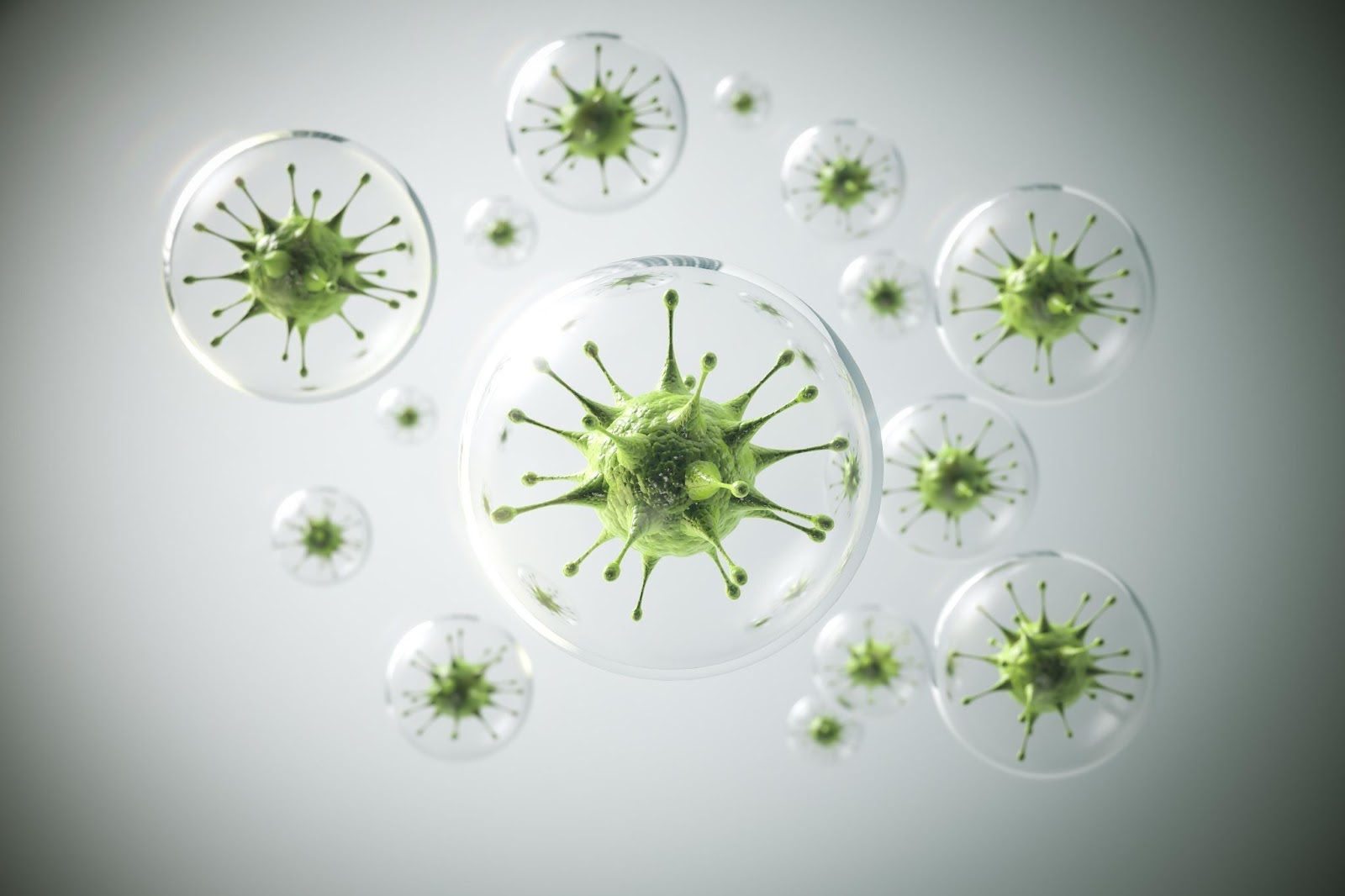
Various bacterial, viral, or fungal infections can cause ulcers in the rectum. These infections may result from a compromised immune system or exposure to specific pathogens. The infected tissues can lead to abdominal pain, rectal bleeding, and other severe symptoms.

Chronic Use Of Certain Medications

Some medications, particularly nonsteroidal anti-inflammatory drugs (NSAIDs), can irritate the gastrointestinal tract and result in ulcers. Chronic use or misuse of these drugs can disrupt the protective lining, leading to ulceration in the anterior rectal wall or other areas.

Radiation Therapy

Patients undergoing radiation therapy for cancers in the pelvic area may experience side effects, including the formation of ulcers in the rectum. The radiation can cause damage to the rectal mucosa, leading to moderate symptoms or more severe cases of ulceration.

Rare Conditions And Diseases

Some less common causes include rare diseases or disorders affecting the anal canal and surrounding regions. Conditions such as SRUS, ischemic colitis, or disorders related to pelvic floor muscles and rectal prolapse can manifest in ulceration.

Thorough differential diagnosis and clinical features examination are essential to identify the underlying cause.

Direct Trauma And Lifestyle Factors

Physical injury or direct trauma to the rectal area, excessive straining during bowel movements, or unhealthy lifestyle habits may also contribute to the development of ulcers. Adequate conservative measures, including dietary changes, may be part of the prevention and treatment strategies.


Diagnosis

Diagnosing an ulcer in the rectum requires a comprehensive approach, requiring careful examination and several diagnostic tools. Early detection and accurate diagnosis can lead to more effective treatment strategies, helping to relieve discomfort and prevent complications. Here are the key stages in the diagnostic process:

Physical Examination

Initially, a thorough physical examination of the anal canal is performed. It includes checking for signs of rectal prolapse, anal fissure, or external anal sphincter dysfunction. This examination may reveal information about the clinical features of the condition and guide further evaluation.

Endoscopy Or Colonoscopy

These procedures allow direct visualisation of the gastrointestinal tract, including the rectal ulcer and any multiple lesions. Colonoscopy screenings provide a more detailed view, allowing for an assessment of multiple factors such as mucous membrane abnormalities, lamina propria involvement, or evidence of paradoxical contraction.

Biopsy

A biopsy may be conducted during an endoscopy or colonoscopy to take a small tissue sample from the affected area. This can help identify the ulcer’s specific characteristics, distinguishing it from other rare disorders, and confirming the diagnosis.

Blood Tests

Blood tests can assess overall health and may reveal underlying conditions that could be contributing to the ulcer, such as inflammatory bowel disease. In severe cases, blood tests may show signs of infection or anaemia related to chronic rectal bleeding.

Imaging Studies

Techniques like MRI or CT scans may be used to evaluate the pelvic floor muscles and other structures, especially if rectal prolapse or full-thickness prolapse is suspected. These imaging studies provide valuable insights into the anatomy and might reveal underlying issues, such as direct trauma, contributing to the symptoms.


Treatment Options For Ulcer In Rectum

To treat an ulcer in the rectum, you need a mix of treatments. This can include medicine and changes to your daily habits. These treatment options must be tailored to the patient’s symptoms, underlying causes, and overall health.

Here are some of the essential strategies for treating rectal ulcers:

Medication

Anti-Inflammatories: These are used for ulcers caused by inflammation, especially in conditions like IBD. They work by reducing swelling and can help with moderate symptoms.

Examples include Mesalamine (Asacol, Lialda) and Sulfasalazine (Azulfidine). These drugs not only reduce inflammation but also help in repairing the lining of the intestine.

Antibiotics: If the ulcer is due to an infection, antibiotics can help by targeting the specific bacteria or other microbes causing the problem. For instance, doctors commonly prescribe Metronidazole (Flagyl) and Ciprofloxacin (Cipro) for bacterial infections in the gut.

Topical Medication: These are applied directly to the affected area, usually in creams, ointments, or suppositories. They can be beneficial if there are multiple ulcers. Topical medication also relieves severe symptoms and abdominal pain. An example is Hydrocortisone cream, which can reduce itching and inflammation.

Dietary Changes

Altering one’s diet to include more fibre and fluids can aid in regulating bowel movements and relieve constipation. This, in turn, helps reduce excessive straining and pressure on the anal canal, promoting the healing of the ulcer.

Conservative Measures: These may include avoiding foods that irritate the digestive system, like:

  • Spicy Foods: Hot peppers, curries, and some spicy sauces can worsen symptoms.
  • Acidic Foods: Tomatoes, citrus fruits (like oranges and lemons), and beverages like coffee and sodas can irritate the digestive lining.
  • Dairy Products: For some people, especially those who are lactose intolerant, dairy can be problematic. This includes milk, cheese, and ice cream.
  • Fatty and Fried Foods: Foods high in fat, especially deep-fried items, can be harder to digest and may worsen symptoms.
  • Alcohol and Caffeine: Both can irritate the digestive system and should be consumed in moderation or avoided.
  • Processed Foods: Items with many additives, preservatives, and artificial ingredients can be harder on the digestive system.

Surgical Interventions

In persistent or severe cases, surgical procedures may be required to remove the ulcer or correct underlying structural issues such as rectal prolapse.

Various surgical treatments are available, and the choice depends on factors like the location of the ulcer, size, and associated conditions such as a rare disorder.

Lifestyle Adjustments

Lifestyle Changes: This may include avoiding or reducing activities that might aggravate the condition like heavy lifting or excessive straining during stool passes.

Pelvic Floor Exercises: These exercises can help strengthen the pelvic floor muscles, reducing symptoms and supporting overall anorectal physiology. Examples of such exercises include Kegel exercises, where one tightens and relaxes the pelvic muscles repeatedly, deep squats which engage the pelvic and gluteal muscles, bridge poses that target the pelvic region, and wall sits that help in toning the pelvic floor.


Prevention And Self-Care

Addressing an ulcer in the rectum does not end with medical interventions and treatment alone. Prevention and self-care are vital aspects of managing this condition, both in avoiding recurrence and in enhancing overall well-being. Here’s a closer look at the importance of these facets:

Importance Of Early Diagnosis:

Early detection is critical in preventing the progression of the condition. Recognising symptoms such as abdominal pain, rectal bleeding, or changes in bowel movements can lead to prompt medical intervention, potentially preventing severe complications or chronic issues.

Regular screenings and awareness of personal risk factors are key components in early diagnosis.

Tips For At-Home Care:

Avoid Excessive Straining: During bowel movements or physical activities, being mindful of pressure on the anal canal and pelvic floor can prevent exacerbation.

Monitor Symptoms: Regularly checking for changes in symptoms can benefit ongoing management. Look for signs like blood in the stool or persistent discomfort.

Apply Topical Treatments: Over-the-counter creams or prescribed topical medication may be part of the home care routine, depending on the underlying condition.

When To Seek Medical Attention:

If self-care measures are not providing relief or severe symptoms are present, it is crucial to seek professional medical help. Delays in medical attention can lead to unnecessary suffering and potential complications.

Regular follow-ups and adherence to prescribed treatments ensure ongoing medical oversight and prevention, even in the absence of symptoms.


Conclusion About Ulcers In The Rectum

Dealing with a rectal ulcer is not merely a medical challenge but a holistic one, requiring awareness, timely intervention, and lifestyle adjustments.

By understanding the condition and actively engaging with prevention and self-care strategies, individuals can alleviate the distress associated with rectal ulcers and significantly reduce their risk of occurrence.

If you’re experiencing rectal ulcers, it could be worth checking for gastric polyps, which also cause digestive discomfort.

If you need treatment for ulcerations in your rectum, contact a professional colorectal surgeon in Singapore — Dr Leong. His fields of expertise lie in diagnosing a wide array of colorectal issues. Schedule a consultation today.


Frequently Asked Questions About Ulcers In The Rectum

What Are The Common Risk Factors For Developing A Rectal Ulcer?

The risk factors for developing a rectal ulcer can vary based on underlying causes and individual health conditions.

They may include chronic gastrointestinal disorders, a history of radiation therapy to the pelvic area, long-term use of specific medications like NSAIDs, or infections that impact the gastrointestinal tract.

Lifestyle factors such as a low-fibre diet or chronic constipation may also contribute. Consulting with a healthcare provider for a personal risk assessment is advised.

How Long Does It Typically Take For Treatment To Alleviate Symptoms?

Treatment response times for rectal ulcers can differ widely, depending on the underlying cause, severity of the condition, and the treatment method used.

Some may experience relief within a few weeks of medical or lifestyle interventions, while others might require ongoing management for chronic conditions. Regular follow-up with healthcare providers ensures appropriate monitoring and treatment adjustments.

Is It Possible To Mistake The Symptoms For Another Condition?

Yes, the symptoms of a rectal ulcer, such as abdominal pain, blood in the stool, and changes in bowel movements, can be similar to other gastrointestinal issues like haemorrhoids, diverticulitis, or colorectal cancer.

Therefore, proper diagnosis through physical examination, imaging studies, or endoscopy is essential to distinguish the specific condition and apply the correct treatment.

Can Children And Adolescents Develop Rectal Ulcers, And How Is It Managed?

While rectal ulcers are more common in adults, they can occur in children and adolescents. The management in younger populations might be similar to adults but may require additional growth, development, and family involvement considerations.

Paediatric specialists often oversee the care, providing tailored treatment strategies, including dietary modifications, medications, or surgical interventions if needed, always aligning with the child’s overall health and developmental needs.


Relieving Abdominal/Stomach Pain After A Colonoscopy

Relieving stomach pain post colonoscopy tips

A colonoscopy screening is more than a simple medical examination. It’s a vital tool in the early detection and treatment of conditions such as colorectal cancer and inflammatory bowel disease. This crucial examination plays a pivotal role in identifying or warding off colorectal cancer, as there are over 1,800 colorectal cancer diagnoses in Singapore every year.

But what happens once the procedure is over? Is there abdominal pain after a colonoscopy? And how do you relieve stomach pain after? These are some of the most common questions post-colonoscopy.

In this blog post, we will explore the causes of abdominal pain after a colonoscopy and how to relieve it with simple home remedies and over-the-counter solutions.

From restful strategies to gentle movements and dietary pointers to warning signs, we’ll guide you through these often overlooked recovery stages. We will also discuss when you should see a doctor if your pain does not improve or if you experience any signs of complications.

Causes Of Abdominal Pain After A Colonoscopy

Abdominal discomfort post-colonoscopy can be a common occurrence. Many patients associate this abdominal pain after colonoscopy with various aspects of the procedure.

Air Inflation During The Procedure

During a colonoscopy, the doctor inserts a thin, flexible tube called a colonoscope into your rectum and up into your colon. The colonoscope has a tiny camera and a light at its tip that allows the doctor to see the inside of your colon on a monitor.

The doctor inflates your colon with air or carbon dioxide to get a clearer view, especially during a screening colonoscopy.

This inflation can cause abdominal distension and discomfort or pressure during or after the procedure. The air or gas can also make you feel bloated or cause pain until it passes out of your system, often manifested as passing gas.

Biopsy Or Removal Of Polyps

Sometimes, during the colonoscopy, the doctor might take a tissue sample (biopsy) from your colon for further testing, especially if there’s suspicion of colorectal cancer. They may also remove growths (polyps) that could be precancerous or cancerous. This can lead to bleeding or irritation in your colon, resulting in abdominal pain or cramps.

Body’s Response To The Procedure

A colonoscopy is a minimally invasive procedure, and while it’s safe for most patients, there’s a risk of colonoscopy complications. The procedure can trigger your body’s natural inflammatory response, potentially indicative of conditions like inflammatory bowel disease.

This might worsen the abdominal pain post-procedure, swelling, or soreness in your colon or abdomen. A rare complication includes splenic injury, which, though uncommon, should be noted. Some people might also react to sedatives or anaesthesia, leading to nausea or drowsiness.

Remedies For Abdominal Pain

For most patients, abdominal pain sensation after a colonoscopy is often mild and temporary. Thankfully, this pain can be alleviated with a few straightforward home remedies. Here are some trusted methods to help ease your discomfort:

1. Passing Gas

One common source of abdominal discomfort after a colonoscopy is the inflation of the colon with air during the procedure. This inflation can cause sensations of feeling bloated and even pain in the abdomen. Encouraging the passing of gas can relieve this pressure. Here’s how to relieve this particular type of abdominal pain after a colonoscopy:

Moving Around

Gentle movement and light physical activity can aid the passing gas. Walking or pacing for a few minutes after the procedure can help move the trapped wind through the large bowel and also increase circulation. Though, you should remember not to over exert yourself.

Lying On Your Side

Sometimes, lying on one side, particularly the left side, can help release trapped wind. This position encourages the gas to move through the colon and exit through the back passage.

2. Hydration And Eating Soft Foods

To alleviate stomach pain, focusing on hydration and specific dietary choices can make a huge difference. Here are some steps that can guide you can follow if you’re experiencing pain after a colonoscopy:

Sipping Clear Or Warm Liquids

After the procedure, your digestive system may be sensitive. Certain herbal teas have been known to comfort the stomach and digestive tract. Ginger tea, for instance, can mitigate nausea and inflammation, Peppermint tea can ease muscle tension and alleviate gas, while chamomile tea is famous for its calming properties, minimising nerve agitation and spasms. Aside from tea you may also opt for broth or warm water with honey.

Eating Soft And Easily Digestible Foods

Your bowel may need some time to recover, especially after the bowel preparation required for a colonoscopy. Soft foods like mashed potatoes, bananas, or yoghurt can soothe the system as it doesn’t have to work as hard.

Avoid Heavy Or Spicy Foods

Returning to your usual diet immediately is not advised. To further aid your digestive system, you should avoid certain foods that are heavy, fatty, or spicy, as they can potentially irritate it.

These foods may induce the production of gas, and lead to further pain or irregular bowel movement. These may also increase discomfort, nausea, or vomiting. It’s best to consult with your doctor for dietary guidelines.

Relieving stomach pain post-surgery can also involve managing diet post-colonoscopy.

3. Use A Warm Bath Or Heating Pad

Applying warmth, whether through a warm bath or a heating pad, has been a time-tested remedy for various types of pain, including abdominal discomfort. Here’s how applying warmth to the abdomen might be an accessible and soothing solution for those looking to relieve these symptoms:

The Soothing Effect Of Warmth

Warmth can often have a relaxing effect on the muscles of the abdomen. A warm towel or heating pad on the abdominal area can significantly help relax the muscles, potentially reducing pain. You can apply this method for 15 to 20 minutes, repeating it twice daily. Ensure the warmth is gentle to the skin so you don’t experience any burns.

Monitor Duration

Applying warmth for a few minutes to an hour can be beneficial. Be mindful of the duration, as prolonged exposure to heat might have adverse effects, mainly if there’s an unusual complication such as bleeding or splenic injuries.

4. Ensure You Get Enough Rest

The recovery phase following a colonoscopy is crucial in ensuring the patient bounces back from the procedure. At this time you should prioritise your comfort and overall health.

Importance Of Rest

After undergoing a colonoscopy, resting is not merely a recommendation but a crucial part of recovery. It allows the body to heal and can significantly reduce abdominal pain and other symptoms that might occur. The quality of your rest will significantly affect how well you recover. So, during this time don’t be reluctant to give your body the time it deserves.

Duration Of Rest

The required rest duration might differ among patients, but taking it easy for the first few hours is generally advised. Your doctor might have specific instructions based on your health condition, especially if you suffer from inflammatory bowel disease or colorectal cancer.

Avoid Strenuous Activities

Strenuous activities may include heavy lifting and vigorous exercises. This could lead to an unusual complication such as splenic trauma or rupture. Adhering to the guidelines in the legal documents provided before the procedure is paramount.

Walking And Light Exercise

We’ve already mentioned that gentle movement, such as walking, can be beneficial in passing gas. But, it also stimulates the intestines, increases blood flow, and might ease the sensation of feeling bloated.

As always, be cautious in over exerting yourself to avoid splenic injuries or other complications. Some patients find mild stretching or gentle yoga poses helpful. Again, these should be done under guidance, particularly if there’s a history of splenic capsule issues or other underlying medical conditions.

5. Over-The-Counter Solutions

When grappling with abdominal pain after a colonoscopy, sometimes home remedies might not offer the desired relief. In such scenarios, over-the-counter (OTC) medications are readily available at most pharmacies, and can be the pain relief you are looking for..

Gas-Relief Medications

Medications containing simethicone can be particularly helpful for those who feel bloated or have the sensation of trapped gas. This compound breaks up gas bubbles in the digestive tract, alleviating discomfort. You should follow the directions listed on the medication label or as your physician prescribes. Popular gas relief medications include brands like Gas-X, Mylanta, and Phazyme.

Mild Pain Relievers

OTC pain relievers containing acetaminophen can be beneficial for tackling mild to moderate pain. Well-known brands in this category include Tylenol, Panadol, and Paracetamol.

However, avoid non-steroidal anti-inflammatory drugs (NSAIDs) like aspirin, ibuprofen, or naproxen post-colonoscopy. These can negatively impact the lining of your gastrointestinal tract, elevating the risk factors associated with bleeding or ulcers.

Probiotics

Post-colonoscopy, mainly if antibiotics were administered during the procedure, the balance of your gut flora might be disrupted. Probiotics, which are packed with beneficial bacteria, can aid in restoring this balance, bolstering digestion and immunity, and curbing potential infections or diarrhoea.

Whether it’s through food sources like yoghurt, kefir, or sauerkraut or via supplements, probiotics can play a vital role in your recovery. Always use these as directed on the label or based on your healthcare team’s recommendation.

When Should You Seek Professional Help?

Colonoscopies are routine medical procedures performed to examine the inner lining of the large intestine. While generally considered safe, some individuals may experience discomfort or pain after the procedure. In most cases, these sensations subside quickly, but how do you know when to consult a professional?

Prolonged Or Persistent Pain

If the discomfort continues for more than a few days or worsens, this could indicate a more serious underlying problem. Don’t dismiss persistent pain and severe pain as merely part of the recovery process.

Though unusual complications such as splenic injuries or splenic rupture are rare, it’s always best to consult with a colorectal surgeon to determine the underlying cause of the discomfort.

After surgery, it’s important to monitor symptoms that could indicate gastric polyps.

Symptoms Of Infection

Fever, chills, intense pain, or other signs of infection following a colonoscopy warrant immediate medical attention. Pain is normal, but these symptoms are tell tale signs that your body is reacting to other infections.

Unusual Bleeding

A little bleeding might be normal, especially if a polyp was removed or a biopsy was performed. However, a healthcare provider should evaluate significant or persistent bleeding as soon as possible.

Difficulty Breathing Or Swallowing

If you experience difficulty breathing or swallowing, it may be a reaction to the sedatives or anaesthesia used during the procedure.

Noticeable Changes In Bowel Movement

While temporary changes might occur, long-lasting alterations in bowel habits or the inability to pass gas or stools might signal an obstruction or other serious complication.

Conclusion On How To Relieve Stomach Pain After Colonoscopy

From understanding the underlying causes of abdominal pain to implementing well-thought-out strategies to relieve discomfort, recovery from a colonoscopy has both common and unique considerations. We’ve explored lesser-discussed topics, like the potential for splenic trauma and the subtleties of diet and gentle movement.

Whether it’s recognising the warning signs of an uncommon complication or finding solace in a warm bath, these insights can pave the way for a more informed and confident recovery.

However, while this guide provides valuable insights, it’s essential to always consult with a medical professional regarding post-colonoscopy concerns to ensure the safest and most effective recovery.

Thinking about the next steps after considering a colonoscopy? Dr. Leong, an experienced colorectal surgeon, can offer insights about the procedure and its nuances.

From addressing common colorectal concerns to understanding the specifics of the process, engaging with a professional can shed light on any uncertainties you might have.

Frequently Asked Questions On How To Relieve Stomach Pain After Colonoscopy

When Can I Return To My Usual Diet And Activities?

Most patients can begin to reintroduce their usual diet within 24-48 hours after a colonoscopy, starting with easily digestible foods. As for activities, gentle movements are recommended for the first day, and it’s wise to avoid heavy lifting or strenuous exercises for at least 2-3 days post-procedure.

However, it’s essential to note that everyone’s recovery is unique, so adhering to your doctor’s specific guidelines and recommendations is crucial.

How Do I Recognise If Something Is Wrong After The Procedure?

While most post-colonoscopy symptoms are normal, severe pain, fever, vomiting, or visible blood in the stool should be taken seriously. These might indicate an underlying issue, such as a perforation or splenic rupture. In such cases, seeking immediate medical help is essential, as prompt intervention can prevent further complications.

How Can I Differentiate Between Normal Discomfort And Serious Complications?

Normal discomfort after a colonoscopy usually feels like bloating or gas and will gradually diminish, especially with the recommended home remedies or over-the-counter solutions.

Serious complications, however, may manifest as severe or acute abdominal pain, persistent bleeding, fever, chills, or symptoms suggesting bowel injuries. If you experience intense pain or any signs that concern you, you must seek medical attention immediately.

Can A Colonoscopy Detect IBS? 3 Facts You Must Know

Can colonoscopy can help to detect irritable bowel syndrome (IBS)

Irritable Bowel Syndrome, or IBS, is a common yet complex disorder affecting the digestive system. Characterised by abdominal pain, bloating, and irregular bowel movements, IBS can be a challenging condition to diagnose and manage.

While a colonoscopy is vital in diagnosing various gastrointestinal diseases, its role in IBS diagnosis is often misunderstood. This essential procedure is used to visualise the inside of the colon and can detect abnormalities such as polyps, cancerous tissues, and inflammation. But does it play a direct role in diagnosing IBS?

Whether you are a patient seeking clarity or a healthcare provider aiming to deepen your understanding, this blog offers an informative and engaging look into the world of IBS diagnosis and the role of colonoscopy within it.


1. What Is A Colonoscopy, And How Is It Used?

A colonoscopy is a specialised medical examination that provides an in-depth look at the entire colon, encompassing both the large intestine and the rectal cancer area within the digestive system.

Conducted with a slender and pliable instrument known as a colonoscope, this procedure grants healthcare experts the ability to detect and investigate various abnormalities.

These may range from different types of polyps, such as colon, inflammatory, and adenomatous polyps, to more complex conditions like Crohn’s disease, ulcerative colitis, inflammatory bowel disease, and even signs of colorectal cancer.

The primary purpose of a colonoscopy is the early detection of potential issues, including cancerous tissue and swollen veins within the intestinal lining. It plays a crucial role in colorectal cancer screening, allowing for the detection of colon or rectal cancer at an early stage.

The straightforward answer to whether a colonoscopy can detect IBS is no. While a colonoscopy can’t directly detect or diagnose IBS, it is critical in ruling out other conditions and guiding the diagnostic process.

2. Colonoscopy’s Role in IBS Diagnosis

Many patients with symptoms like abdominal pain and bowel irregularities often wonder, “Can a colonoscopy detect IBS?” The direct answer is no: while a colonoscopy offers invaluable insight into the digestive system, it cannot pinpoint IBS. Let’s delve into why this is the case.

Irritable Bowel Syndrome (IBS) is identified by common symptoms such as abdominal cramping, bowel habit changes, and weight loss rather than structural abnormalities. These symptoms cannot be seen during a colonoscopy.

A colonoscopy provides the ability to rule out other conditions that may have symptoms similar to IBS. Conditions such as microscopic colitis, liver disease, or colon cancer can be identified or ruled out through a colonoscopy. By excluding these conditions, a healthcare provider can more accurately determine if IBS is the underlying cause of gastrointestinal symptoms.

Additional tests, such as blood tests, stool tests, upper GI endoscopy, or hydrogen breath test, might be used in conjunction with a colonoscopy to build a comprehensive picture of the patient’s GI tract. This approach ensures that other potential causes of bowel symptoms are identified or excluded.

Importance of Excluding Diseases That May Present Similar to IBS

An IBS diagnosis often involves a detailed physical exam, patient history, and excluding diseases with similar symptoms. Preventive screening tools like a colonoscopy ensure that other significant diseases are not overlooked. This is particularly important when severe symptoms are present, which might indicate a more serious underlying condition.


3. When Might A Colonoscopy Be Recommended In The IBS Diagnostic Process?

Colonoscopy isn’t typically used to diagnose IBS directly, but rather to rule out other potential conditions or to gather more comprehensive information. There are specific instances when a colonoscopy might be recommended in the IBS diagnostic process. Whether it’s related to age, the presence of atypical symptoms, or a familial link to certain conditions, understanding when this procedure might be suggested is crucial for patients navigating their symptoms.

Patient Age: A colonoscopy may be recommended for a comprehensive evaluation if the patient is over 50 or has a family history of colorectal cancer.

Atypical Symptoms: If the patient presents with unexplained weight loss, rectal bleeding, or other severe symptoms, a colonoscopy may be ordered to rule out other conditions.

Family History: A known family history of colon cancer or inflammatory bowel disease may warrant a colonoscopy.

How A Colonoscopy Can Be Part Of A Comprehensive Evaluation For IBS

A colonoscopy is not a standalone test for IBS diagnosis but is part of a broader diagnostic process. Alongside other tests and evaluations, it can provide a detailed understanding of the patient’s digestive system. This allows for an accurate diagnosis and helps tailor a treatment plan to address the individual’s specific bowel symptoms.


Conclusion On The Question Can A Colonoscopy Detect IBS

While a colonoscopy doesn’t directly diagnose IBS, it remains an indispensable tool in ruling out other underlying gastrointestinal conditions. Through this exploration, we’ve clarified the role of a colonoscopy within the broader diagnostic framework, shedding light on its importance in comprehensive patient evaluation.

Whether you are grappling with IBS symptoms or are a healthcare provider seeking to refine your diagnostic process, understanding these intricacies can lead to better-informed decisions and care. We hope this guide has demystified the complex world of IBS and colonoscopy, providing you with valuable insights that can aid your journey toward optimal digestive health.

Thinking about undergoing a colonoscopy? Book a consultation with renowned colorectal surgeon, Dr. Leong, to gain insights into the costs and various aspects of the procedure. Dr. Leong specialises in diagnosing colon/colorectal cancer and effectively handles numerous colorectal concerns, including:


Frequently Asked Questions On The Question Can A Colonoscopy Detect IBS

What Are Common Treatment Options For IBS?

While the blog focused on the diagnostic aspect of IBS, treatment often includes a combination of dietary adjustments, medications, and stress management techniques. Working closely with healthcare providers, patients may explore options like fibre supplements, anti-spasmodic medications, or therapy for stress-related triggers.

How Long Does A Colonoscopy Procedure Typically Take?

Although the blog details the relationship between colonoscopy and IBS diagnosis, it doesn’t delve into the duration of the procedure. A typical colonoscopy usually takes between 30 to 60 minutes, depending on various factors such as the patient’s anatomy and the need for any additional interventions like polyp removal.

Are There Alternatives To Colonoscopy For Gastrointestinal Screening?

Outside the context of IBS diagnosis, other gastrointestinal screening methods include flexible sigmoidoscopy, CT colonography, and stool-based tests. The choice of method depends on the individual’s specific circumstances, risk factors, and healthcare provider’s recommendations.

Is Ibs Linked To More Serious Digestive Disorders?

While IBS is often a lifelong condition, it is not known to lead to severe digestive disorders like Crohn’s disease or colorectal cancer. However, since symptoms can be similar, a thorough examination, including a colonoscopy when needed, is essential to rule out these more serious conditions.

How Long Does A Colonoscopy Take, Including Recovery?

Colonoscopy duration and recovery time

Colorectal cancer remains one of the most common forms of cancer worldwide, making regular colonoscopy screenings crucial. This life-saving procedure thoroughly examines the large intestine, allowing doctors to detect any abnormal tissue or polyps early. 

This procedure is essential because colon cancer often doesn’t cause symptoms such as severe abdominal pain or rectal bleeding until it’s advanced. Understanding the colonoscopy process, from colonoscopy prep to recovery, is essential for peace of mind and making informed health decisions.

So, if you are scheduled for your first colonoscopy, and are wondering how long does a colonoscopy takes, including recovery, then this article is for you. 


Pre-Procedure: Understanding Colonoscopy Preparation

Before the procedure, bowel preparation, or ‘colonoscopy prep’, is key. This preparation involves consuming a clear liquid diet for 24 hours before the colonoscopy. This step is vital as it clears out the large bowel, enabling the tiny video camera on the colonoscope to provide clear images of the colon’s lining. 

This prep also involves drinking a special solution to induce bowel movements, ensuring your colon is free of remnants that could obscure the doctor’s view.


Risk Factors: When Should You Get a Colonoscopy?

Most patients with average risk should start colonoscopy screenings from age 45. However, risk factors such as a family history of colorectal cancer or polyps, persistent abdominal pain, and rectal bleeding may necessitate earlier and more frequent screenings.


The Colonoscopy Process

The entire colonoscopy experience, from arrival to departure from the hospital, typically spans approximately two to three hours. This time is distributed among various stages: check-in, pre-procedure preparations, the colonoscopy itself, and the recovery phase.

Check-In Phase

On arrival at the hospital (assuming a colonoscopy appointment is scheduled for 8 a.m.), you’ll need to be there around 7 a.m., providing sufficient time for check-in and pre-procedure preparations. During check-in, typically around 15-30 minutes, your health details are reviewed, your blood pressure is monitored, and you’re asked to sign a consent form.

Pre-procedure Preparations

Following check-in, you’ll move into the pre-procedure phase, which lasts 30 to 45 minutes. This phase involves meeting with the doctor and nursing staff to discuss the procedure, address any last-minute concerns, and confirm the intended procedure. An IV line will be in place to administer sedation during the colonoscopy.

Most patients are given deep sedation, meaning they’ll be asleep but still breathing independently. Light sedation may sometimes be used depending on the individual’s overall health and the physician’s recommendation. The anesthesiologist or nurse anaesthetist will administer the sedative and monitor your vital signs throughout the procedure.

The Procedure Itself

Next comes the colonoscopy procedure itself. Once the sedation takes effect, the doctor will begin the colonoscopy, which involves the insertion of a colonoscope – a thin and flexible tube with a tiny video camera – into the rectum to examine the entire length of the large intestine.

Depending on factors such as the individual’s anatomy, the presence and number of polyps, and the ease of navigating through the colon, this procedure could take anywhere from 20 minutes to an hour. The doctor may remove polyps during the colonoscopy and take tissue samples for further examination if necessary.

Post-Procedure: Detailed Colonoscopy Recovery

Immediately following the procedure, you’ll be moved to the recovery area. Here, you’ll spend approximately 30 to 45 minutes or even up to an hour, depending on the type of sedation used and how quickly you recover from its effects. 

The nursing staff then monitors your vital signs and ensures you recover from the sedation. During this time, you may feel bloated or pass gas due to the air introduced into your colon during the procedure. It’s also normal to experience minor rectal bleeding, especially if polyps were removed or a biopsy was performed.

Upon confirming that you’re alert and stable, the nurse will review the post-procedure instructions. This typically takes about 15 minutes. Once this is done, you are ready to leave the hospital. However, due to the effects of sedation, you will need someone to drive you home.


Returning To Normal Activities And Diet

After your colonoscopy, someone must drive you home as the sedation may impair your ability to operate heavy machinery. Once home, it’s usually advisable to rest for the remainder of the day. 

While you may experience abdominal pain, over-the-counter pain medication can usually manage this. Your first bowel movement after a colonoscopy may not occur for a few days, depending on your diet and how quickly your digestive system gets back on track.

Most patients return to their regular diet right after the procedure, although your doctor might recommend a specific diet if many polyps were removed. As long as you’re not experiencing severe abdominal pain or heavy rectal bleeding, you can typically return to work or your usual activities the day after your colonoscopy.

Follow-Up And Next Steps

After the procedure, your colorectal doctor or surgeon will discuss their findings with you and may provide further recommendations based on the results. For instance, the presence of polyps, abnormal tissue, or other risk factors like a family history of colorectal cancer could mean you’ll need your next colonoscopy sooner than the typical 10-year interval.


Conclusion On How Long Does A Colonoscopy Take 

Colonoscopy is seen as a procedure that may cause some discomfort and requires dedicated preparation and recovery time. However, it remains a gold standard in colon cancer screening. 

In summary, the entire colonoscopy process, including recovery, requires a half-day commitment, though the procedure only lasts 20 minutes to an hour. By understanding the timeline, you can better prepare and organise your schedule on the day of your colonoscopy. Always remember it’s best to ask your medical practitioner for direct information regarding your procedure.

Early detection and intervention can make all the difference. Consult with Dr Leong, a professional colorectal surgeon in Singapore, today.


Frequently Asked Questions On How Long Does A Colonoscopy Take

Why Is It Necessary To Be Accompanied By An Adult Post-Procedure?

It’s crucial to be accompanied by a responsible adult post-procedure because the sedation during the colonoscopy can leave you feeling drowsy or disoriented for a few hours. This can affect your judgement and physical coordination, making it unsafe for you to drive or travel alone.

Can The Colonoscopy Procedure Be Painful?

No, the colonoscopy procedure itself is not painful. Thanks to the sedation, most patients do not feel any discomfort during the procedure. Some may experience slight discomfort or pressure, but this is typically minimal and short-lived.

How Frequently Should I Undergo Colonoscopy If I Have A Family History Of Colorectal Cancer?

If you have a family history of colorectal cancer, your doctor might recommend you start screening earlier and more often than people at average risk. The frequency of colonoscopy will depend on your specific family history, but it could be as often as every five years or even sooner in some cases.

What Happens If Abnormal Tissue Or Polyps Are Found During The Procedure?

If abnormal tissue or polyps are found during the colonoscopy, the doctor usually removes them using tiny instruments passed through the colonoscope. This tissue is then sent to a laboratory for examination under a microscope. This examination is to check for signs of cancer or precancerous changes.

Does A Clear Liquid Diet Mean I Will Be Hungry During The Colonoscopy Prep?

A clear liquid diet is a vital part of colonoscopy preparation. While it may seem like you might feel hungry, the diet includes liquids that provide calories and keep you hydrated. Broths, jelly, tea and coffee without milk, and certain soft drinks are allowed, which can help to curb hunger.

Will I Be Awake During The Colonoscopy?

Most people are not fully conscious during a colonoscopy due to sedation’s effects, which helps ensure comfort during the procedure. Sedation will depend on individual circumstances and the hospital’s or doctor’s preference. Some patients will be in a deep sleep, while others may be in a twilight sleep where they are relaxed and unaware of the procedure.

Prostate Exam Vs Colonoscopy: 4 Key Differences

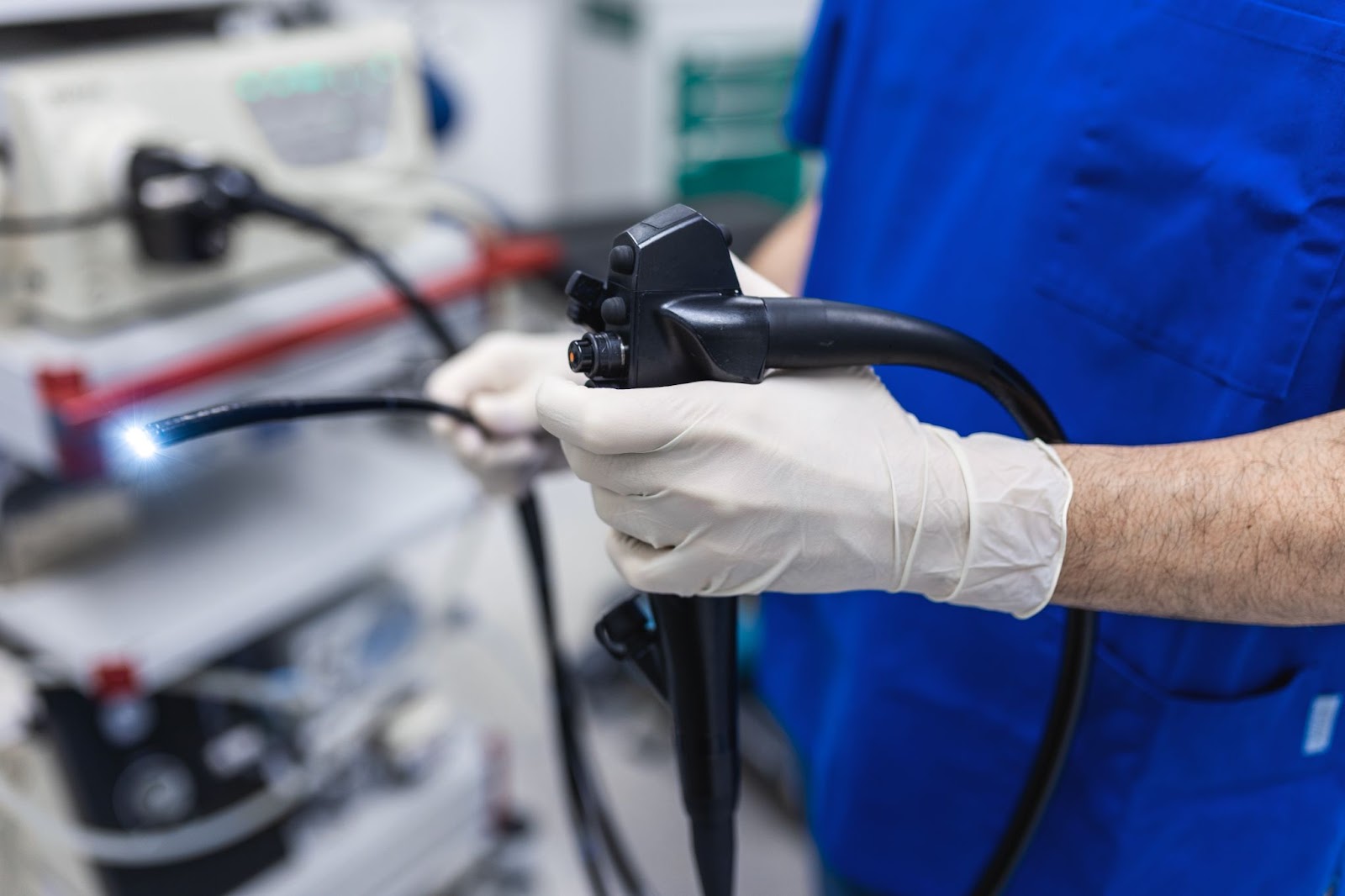
Colorectal surgeon in Singapore preparing for a colonosocpy screening

The world of health screenings can sometimes feel overwhelming, especially when trying to understand the nuances between different tests. In this piece, we’re zooming in on the prostate exam vs colonoscopy debate, two crucial screenings for men as they age. 

While both are vital, each addresses distinct health concerns. A prostate exam focuses on prostate health, while a colonoscopy focuses on colorectal well-being. By breaking down the four key differences, we aim to shed light on their specific purposes, methods, and what you can expect.


Understanding What A Colonoscopy Is

A colonoscopy screening is a procedure where a healthcare provider inserts a flexible tube to examine the inner lining of your large intestine. This colonoscopy examines the colon for early signs of colorectal cancer and other diseases. Typically, adults of average risk begin these screenings at the age of 50 or earlier if there is a family history of colorectal cancer.

Preparing for a colonoscopy might involve dietary changes and stool tests, like a faecal immunochemical test. 

Despite being a little uncomfortable, the procedure is painless thanks to sedation. Risks, though rare, include bleeding and perforation of the colon. However, catching colon cancer in its early stages drastically improves the chances of successful treatment.

What Is A Prostate Exam?

A prostate exam, or prostate examination, is also known as a Digital Rectal Examination (DRE). The aim is to check the health of the prostate gland, a small organ that produces seminal fluid in men. Many patients undergo prostate examinations from the age of 50 or 45 if they have a higher risk due to a family history of prostate cancer.

A prostate exam does not typically require any special preparations. The procedure involves a physical examination by a healthcare professional, where a lubricated, gloved finger is then inserted into the rectum to check the prostate gland for any irregularities. The American Cancer Society considers this an effective method to detect prostate cancer. Risks are minimal, but the procedure can cause slight discomfort.

The significance of prostate exam results lies in the early detection of various prostate conditions, including prostate cancer. A Prostate Specific Antigen (PSA) blood test usually accompanies the DRE for detecting prostate cancer. Elevated PSA levels may warrant further testing, such as a prostate biopsy.


Similarities Between The Prostate Exam And Colonoscopy

At a high level, prostate exams and colonoscopies share a common goal: early disease detection. Both procedures involve an examination of internal organs via the rectum. Both are recommended to start at similar ages and play an integral role in cancer screening. 

Lifestyle choices, genetic risk factors, and age can influence the outcomes of both tests. Even though they differ in many ways, their shared aim underscores the importance of routine screening. 

Regular checks lead to early detection and promote healthier lifestyle choices and a more proactive approach to managing our health.


Delineating The Differences Between A Prostate Exam And A Colonoscopy

Though both are crucial in detecting cancer early, a prostate exam and a colonoscopy are distinctly different screening tests. Understanding these differences is key in demystifying these examinations, thereby empowering individuals to take charge of their health proactively.

1. Purpose Of The Exams

The first significant difference lies in the diseases these tests primarily screen for. A colonoscopy aims to detect early signs of colorectal cancer, a disease that affects the colon or rectum. On the other hand, a prostate exam, specifically the Prostate Specific Antigen (PSA) test, is a key tool in early prostate cancer diagnoses.

2. The Examination Process

The process involved in each examination is another area of distinction. A colonoscopy involves the insertion of a long, flexible tube into the rectum to visually inspect the colon. The procedure allows doctors to identify abnormal growths or changes that might signify colorectal cancer.

On the other hand, a prostate exam comprises two main parts: a Digital Rectal Exam (DRE) and a PSA blood test. During the DRE, a doctor will manually check for any abnormalities in the prostate gland, which produces a key component of seminal fluid. The PSA test, a simple blood test, checks for elevated levels of Prostate Specific Antigen – a potential indicator of prostate cancer.

3. Age Of Screening

Although guidelines can vary, the American Cancer Society recommends men begin colorectal cancer screenings at age 45, while prostate exams typically commence around 50 or earlier for those with specific risk factors that might lead them to develop prostate cancer.

4. Preparation For The Tests

Preparation procedures for these exams also differ significantly. A colonoscopy requires a ‘clear out’ period, wherein individuals must follow a strict diet and possibly take laxatives to ensure the colon is empty for the procedure. Conversely, a prostate exam requires no specific preparation, making it less time-consuming and potentially more convenient for many patients.


Why Both Exams Are Important

Despite their differences, both exams play an essential role in health maintenance. Early colon and prostate cancer detection can drastically improve treatment success and overall health outcomes. The Prostate Cancer Foundation, along with other health bodies, underscores the role of these tests in reducing cancer-related deaths. 

Lifestyle choices, including diet and exercise, are crucial in maintaining colon and prostate health. Regular check-ups, including PSA tests and colorectal screenings, are paramount to successful early detection and effective treatment.


Conclusion On Prostate Exam Vs Colonoscopy

Whether it’s a prostate exam or a colonoscopy, take charge of your health. Discuss the screening test with your healthcare professionals and ensure you undergo routine screening. 

Early detection is your best defence against conditions like an enlarged prostate or developing colorectal cancer. In the grand scheme, the few moments of discomfort experienced during these exams are minimal compared to the valuable information they provide. 

Understanding the differences between prostate exams and colonoscopies empowers us all to make proactive decisions about our health. 

For more in-depth insights and guidance on this topic, contact Dr Leong. He is a colorectal surgeon in Singapore specialising in treating colon cancers, haemorrhoids, anal fistulas and perianal abscesses, hernia, appendicitis, and others unusual changes in bowel habits.


Frequently Asked Questions On Prostate Exam Vs Colonoscopy

What Are The Common Symptoms That May Prompt A Prostate Exam Or Colonoscopy?

Prostate cancer symptoms may include:

  • Difficulty in urination.
  • Decreased force in the stream of urine.
  • Blood in the semen.
  • Discomfort in the pelvic area.
  • Erectile dysfunction.

Colorectal cancer symptoms include changes in bowel habits, such as diarrhoea or constipation, rectal bleeding or blood in the stool, persistent abdominal discomfort, weakness or fatigue, and unexplained weight loss. However, these symptoms can also relate to other health conditions. Always consult a healthcare professional if you experience these symptoms.

How Can I Reduce My Risk Of Developing Prostate Or Colorectal Cancer?

Maintaining a balanced diet, exercising regularly, avoiding tobacco, and moderating alcohol consumption can contribute to overall health and possibly reduce the risk of cancer. Regular screenings are also crucial, as they can catch any potential issues at their earliest, most treatable stages.

Are There Any Alternatives To Prostate Exams And Colonoscopies For Cancer Screening?

Yes, there are alternatives. There’s the Prostate-Specific Antigen (PSA) blood test for prostate cancer. There are also various imaging tests being studied. For colorectal cancer, stool-based tests, CT colonography (virtual colonoscopy), and flexible sigmoidoscopy are options. 

However, these tests have different screening capabilities and intervals. Speak with your healthcare provider about the best option for you.

Can Women Undergo Prostate Examinations, Or Are They Exclusively For Men?

Prostate examinations are specifically for men. The prostate is a small gland that aids in producing semen in males. Women do not have a prostate gland; hence, they do not need to undergo prostate exams.

How Often Should I Undergo A Prostate Exam Or Colonoscopy After The Age Of 50?

For a colonoscopy, if your first screening at age 50 has normal results, your doctor may recommend a repeat colonoscopy every ten years. However, the frequency can vary depending on personal health history, family health history, and the results of previous tests. 

As for prostate exams, the frequency can vary, but many doctors recommend annual or biennial exams, particularly for men over 50 or earlier, if there are higher risk factors.

6 Meds To Not Take Before A Colonoscopy 

Medication not to take before a colonoscopy

A colonoscopy screening is an essential medical procedure allowing doctors to inspect the inner lining of your large intestine (rectum and colon). Its role in the early detection of colon cancer and diagnosis of unexplained symptoms makes this procedure significant.

However, understanding what meds not to take before a colonoscopy can increase the safety and efficacy of the procedure.

Some medications can affect the safety and efficacy of the colonoscopy by increasing the risk of bleeding, affecting the visibility within the colon, or leading to other complications. This blog delves into the specifics of these medications and how you can manage them for a successful and safe colonoscopy.


Medications To Avoid Before A Colonoscopy

Understanding the potential interactions between medications and a colonoscopy is essential for your preparation. Different drugs can have varied effects on your body that might pose a risk during the procedure.

In this section, we’ve narrowed down some key medications you should be particularly mindful of. These drugs, due to their unique characteristics, can influence the procedure’s safety and effectiveness.


#1. Non-Steroidal Anti-Inflammatory Drugs (NSAIDs)

NSAIDs inhibit the production of chemicals that promote inflammation, pain, and fever called prostaglandins. However, prostaglandins also play a key role in platelet aggregation, which is crucial for clotting. As such, the inhibition of prostaglandins by NSAIDs can disrupt normal blood clotting mechanisms.

During a colonoscopy, any breach of the mucosal lining, such as from polyp removal or biopsy, can lead to bleeding. The antiplatelet effect of NSAIDs raises the risk of prolonged bleeding, which can complicate the procedure and recovery.


#2. Antiplatelet Agents

Antiplatelet drugs prevent platelets from clumping together, reducing the formation of harmful blood clots. This can be beneficial in preventing strokes or heart attacks. However, this anti-clotting effect can be a disadvantage in the context of a colonoscopy.

Any incisions or abrasions made during the procedure may bleed more profusely and for longer, increasing the risk of complications. Moreover, the recovery process may be lengthened as normal clotting mechanisms are impeded. However, if you have had recent coronary artery stenting and require antiplatelet medication as prescribed by your cardiologist, please inform your colorectal surgeon as these medications may be crucial and on the balance of things, be safer to continue antiplatelet medications. Let your colorectal surgeon liaise with the cardiologist and discuss whether to stop the medication.


#3. Anticoagulants

Anticoagulants, or ‘blood thinners’, reduce the formation of blood clots. They are crucial for preventing stroke in patients with certain heart disorders and preventing or treating venous thromboembolism. However, similar to antiplatelet agents, they increase the risk of bleeding during a colonoscopy.

Any incisions, abrasions, or the removal of polyps can lead to excessive bleeding. It is critical to balance the risk of bleeding against the risk of thrombosis when discontinuing anticoagulants, and this should always be done in consultation with a healthcare provider.


#4. Iron Supplements

Iron supplements can darken the stool, making it more difficult for the endoscopist to visualise the colon’s lining. This difficulty could reduce the procedure’s effectiveness, as the endoscopist might miss polyps or other abnormalities. It could also increase the risk of complications if visibility is compromised. Therefore, these supplements are typically stopped several days before the procedure to ensure clear colon visualisation.


#5. Diabetes Medications

Preparing for a colonoscopy often requires fasting, which can lead to lower blood sugar levels. This is particularly concerning for individuals taking insulin or oral hypoglycaemic drugs, as these medications aim to lower blood glucose levels.

Without proper adjustment of these medications, fasting could lead to hypoglycaemia, a potentially dangerous condition characterised by excessively low blood sugar levels. Symptoms of hypoglycaemia can range from mild (hunger, sweating, tremor) to severe (confusion, loss of consciousness) and, in extreme cases, life-threatening.


#6. Certain Herbal Supplements

Some herbal supplements, including ginkgo biloba, ginseng, garlic, and others, are known to have antiplatelet effects, similar to NSAIDs and antiplatelet drugs. They can increase the risk of bleeding during a colonoscopy, especially if polyps are removed, or a biopsy is taken.

Furthermore, many herbal supplements’ safety and efficacy profiles are not well-established, as they do not undergo the same rigorous testing and regulation as conventional drugs. This adds an element of unpredictability and risk when combined with an invasive procedure like a colonoscopy. Therefore, it is generally advised to discontinue these supplements before the procedure.


The Importance Of Medication Management Before A Colonoscopy

Medications are integral to many people’s daily lives and are prescribed to manage various health conditions. However, it’s essential to understand that certain drugs can impact the success of a colonoscopy. This section breaks down the risks associated with different medications.

Bleeding Risks

Many medications, including NSAIDs like ibuprofen (Motrin) and naproxen, blood thinners (anticoagulants like Warfarin), blood pressure medicines, and certain herbal supplements, can affect blood clotting.

This could increase the risk of bleeding during the colonoscopy, particularly if a polyp or biopsy removal is performed. To reduce this risk, your prescribing doctor will usually instruct you to stop taking these medications several days before the procedure.

Visibility During The Procedure

Medications like iron supplements can darken the stool and hinder the doctor’s ability to visualise the colon during the colonoscopy.

This could potentially reduce the procedure’s effectiveness, leading to missed abnormalities. Most people are advised to stop taking these supplements several days before their colonoscopy to ensure clear visibility.

Metabolic Considerations

The colon prep for a colonoscopy often involves a clear liquid diet and fasting, impacting blood sugar levels. This is especially critical for people on diabetes medications, as fasting could lead to hypoglycaemia. Thus, adjustments may need to be made to the dose of these medications to prevent hypoglycaemia during fasting.

Drug-Induced Mucosal Changes

Certain pain medications, such as NSAIDs, can cause ulcers or inflammation in the gastrointestinal tract. These changes could mimic or mask certain conditions, leading to inaccurate results.

Sedative And Anaesthetic Interactions

Some prescription medications may interact with the sedatives or anaesthetics used during the colonoscopy procedure, potentially causing complications.


How To Manage Medications Before A Colonoscopy

Effective medication management before a colonoscopy is crucial for the safety and success of the procedure. Always consult your healthcare provider and provide a complete list of all the regular medications, supplements, and over-the-counter drugs you’re currently taking.

It’s essential to adhere strictly to your colorectal doctor’s instructions, including advice about when to stop or adjust medications.

Aside from medication management, maintaining a specific diet and staying hydrated by drinking clear liquids are pivotal. You’ll likely need to follow a liquid diet, refrain from solid foods, and stick to clear liquids for a period before the procedure as part of your bowel preparation.

On the day of the colonoscopy, adhere to your doctor’s colon prep instructions, including a bowel prep and arranging transportation due to potential sedative or anaesthetic effects. Remember, every preparation step contributes to the safety and effectiveness of your colonoscopy.

Conclusion On What Meds To Not Take Before A Colonoscopy

A colonoscopy is a critical diagnostic tool that plays a crucial role in the early detection of colon cancer and understanding unexplained symptoms.

While the clear liquid diet and bowel prep are important preparation elements, the careful management of your medications is equally significant. It’s important to be aware of what meds not to take before a colonoscopy, as some can potentially affect the safety and disrupt the procedure.

Medications such as NSAIDs, blood thinners, blood pressure medicines, iron supplements, and even certain herbal supplements can increase bleeding risks, alter visibility during the procedure, or even interact with the sedatives and anaesthetics used.

As always, clear and open communication with your healthcare provider is vital. Ensure you provide a complete list of all medications you’re currently taking, including over-the-counter drugs and herbal supplements.

For more information on colonoscopy preparations, schedule a consultation with Dr Leong, a professional colorectal surgeon in Singapore.


Frequently Asked Questions On What Meds To Not Take Before A Colonoscopy

How Does The Bowel Prep Work Before A Colonoscopy?

The bowel prep for a colonoscopy involves taking a special medication that triggers bowel-clearing diarrhoea. This is usually consumed as a drink and works by flushing out the contents of your intestines so that they’re clean and clear for the colonoscopy. You must stay near a bathroom once you start your bowel prep.

What Happens If I Forget To Stop Taking My Medication Before A Colonoscopy?

If you forget to stop taking medication that could affect your colonoscopy, it’s important to inform your doctor as soon as you realise. Depending on the medication and how close you are to the procedure, your doctor may need to reschedule the colonoscopy or provide additional instructions.

Can I Continue To Drink Alcohol In The Days Before My Colonoscopy?

It is generally recommended to avoid alcohol for at least 48 hours before your colonoscopy. Alcohol can lead to dehydration and might interact with the medications used during the procedure. Additionally, alcoholic drinks are not part of the clear liquid diet often prescribed in the days leading up to the procedure.

Is It Normal To Feel Nervous Before A Colonoscopy?

Yes, it’s perfectly normal to feel nervous before a colonoscopy. It can be helpful to discuss any concerns with your healthcare provider beforehand. They can provide reassurances, explain the procedure in detail, and potentially offer mild sedation to make you more comfortable during the procedure.

Are There Any Risks Associated With Having A Colonoscopy?

While a colonoscopy is generally safe, some risks are involved with any medical procedure. These can include reactions to sedation, bleeding where a biopsy or a polyp was removed, and rarely, a colon or rectum wall tear. However, it’s important to remember that these risks are relatively low, and the benefits of early detection and prevention of colorectal cancer far outweigh the risks.

5 Reasons For An Urgent Colonoscopy

Urgent colonoscopy indications

A colonoscopy often becomes part of a routine medical check-up for individuals aged 50 or above or younger people if they have a significant family history of colon cancer.

Yet, not all colonoscopies are routine, and at times, the need for this diagnostic procedure may become pressing and urgent. This could be precipitated by significant changes in the body, mysterious discomfort, or unexplained symptoms, all of which warrant immediate attention and medical action.

This article aims to shed light on the circumstances and reasons for an urgent colonoscopy. Understanding the difference between routine and urgent is crucial to ensure prompt intervention and a better prognosis.

What Is A Colonoscopy?

A colonoscopy screening is a medical procedure where doctors inspect the large bowel (large intestine) and rectum for abnormalities. The colonoscopy procedure involves a long, flexible tube (colonoscope) inserted into the rectum to view the entire colon. A camera on the colonoscope transmits images to a monitor for the doctor to inspect.

When Is A Colonoscopy Urgent?

A colonoscopy often becomes part of a routine medical check-up for individuals aged 50 or above or younger people if they have a significant family history of colon cancer.

However, certain situations or symptoms can elevate the need for a colonoscopy from standard to urgent. This could be brought on by significant changes in the body, mysterious discomfort, or unexplained symptoms.

Known Reasons For An Urgent Colonoscopy

Navigating through the complexities of our health can often be daunting, especially when we encounter unfamiliar symptoms. This section aims to shed light on some known reasons that make an urgent colonoscopy necessary.

#1. Unusual Symptoms

Unusual symptoms such as severe abdominal pain, abdominal cramps, or abdominal bloating could indicate colon problems.

Other worrying signs include rectal bleeding or bright red blood in your stool, changes in bowel habits, and unexplained weight loss. These symptoms should not be overlooked or dismissed as minor concerns, especially if they persist or increase in intensity.

Immediate consultation with a colorectal surgeon is vital, as it will help determine the need for an urgent colonoscopy.

#2. Colon Cancer Symptoms

Colon cancer symptoms can be incredibly varied and may include changes in bowel movements, bloody stools, or weight loss. Recognising these symptoms as potential signs of colon cancer is crucial in initiating early treatment.

If you notice blood in your stool or any other colon cancer symptoms, it’s essential to consult with medical professionals right away.. Your doctor can decide if these symptoms warrant further testing, like an urgent colonoscopy, to get a clear diagnosis and develop an effective treatment plan.

#3. Identification Of Polyps

Colonoscopies can identify and remove polyps, which might become cancerous if left untreated. Polyps in the colon can evolve into cancer over time. An urgent colonoscopy allows for their swift identification and removal, reducing the risk of cancer development.

#4. Unexplained Anaemia And Weight Loss

A severe drop in haemoglobin levels requiring a blood transfusion might be a symptom of undetected colon problems. Anaemia can be a sign of internal bleeding, potentially from a polyp or cancer in the colon.

Similarly, sudden, unexplained weight loss, particularly when accompanied by other symptoms such as fatigue or changes in bowel movements, could be a warning sign of colon or rectal cancer. These signs necessitate an urgent colonoscopy for a definitive diagnosis and prompt treatment.

#5. Positive Fecal Immunochemical Test

A positive result from a faecal immunochemical test (FIT) indicates the presence of hidden or occult blood in the stool, an alarming sign that could suggest polyps or cancer. This test is an important non-invasive tool in the early detection of colorectal cancer.

However, a positive result should be followed up with an urgent colonoscopy to confirm the diagnosis and determine the cause of the bleeding. Timely intervention can lead to more effective treatment options and better patient outcomes.

Preparing For An Urgent Colonoscopy

Preparation is a critical aspect of a colonoscopy, often called ‘bowel prep’. This procedure is crucial to ensure the colon is clean and devoid of residual waste that might obscure the doctor’s view. The process involves a regulated diet that usually restricts certain foods and emphasises liquid intake. Additionally, bowel-clearing laxatives stimulate bowel movements and empty the colon.

It’s crucial to follow the doctor’s guidelines carefully and respond promptly to the bowel movement urges induced by these laxatives. Ensuring a thoroughly cleansed colon significantly enhances the doctor’s ability to detect polyps or abnormalities. Thus, meticulous adherence to the bowel prep protocol is a vital element in the overall success of the colonoscopy procedure.

Conclusion On The Reasons For An Urgent Colonoscopy

In healthcare, understanding your body’s signals is crucial, and acknowledging the reasons for an urgent colonoscopy is a part of this awareness.

Recognising early symptoms like altered bowel habits, abdominal pain, or blood in your stool can help identify serious issues, such as colon cancer, at an initial stage, improving the chances of successful treatment.

However, it’s essential not to self-diagnose based on symptoms alone; always consult a healthcare professional if you’re experiencing worrying signs. They can provide accurate evaluations and guide you on the appropriate treatment pathway.

Also, remember that preventative care, like regular check-ups and screenings, is key to early detection and effective treatment. Understanding the need for an urgent colonoscopy is an empowering step towards proactive health management.

Consult with Dr Leong today. He is a colorectal surgeon in Singapore specialising in the diagnosis of colon/colorectal cancer, and addressing a range of issues such as:

Frequently Asked Questions On The Reasons For An Urgent Colonoscopy

What Does A Colonoscopy Feel Like?

Most individuals are sedated during a colonoscopy, so they typically feel little to no discomfort during the procedure. You may feel dizzy or slightly disoriented as the sedation wears off. After the procedure, you might experience mild cramping or bloating, which usually subsides relatively quickly.

Can I Continue Taking My Regular Medications Before A Colonoscopy?

It depends on the type of medication. Some drugs, like blood thinners, can increase the risk of bleeding during the procedure. Therefore, you may need to stop taking them temporarily. Discussing your medications with your doctor during the pre-colonoscopy consultation is crucial.

Can A Colonoscopy Miss Cancer?

While a colonoscopy is a highly effective tool for detecting colon cancer, it’s not infallible. Very small polyps, or those hidden in the colon’s folds, can sometimes be missed. Therefore, regular screening and follow-up procedures are essential.

How Often Should I Have A Colonoscopy?

The frequency of colonoscopies depends on several factors, such as age, medical history, and family history of colon cancer. A screening colonoscopy every ten years starting at age 50 is recommended for most people. However, you may need more frequent screenings if you have higher risk factors.

Is There An Alternative To A Colonoscopy?

Yes, there are alternatives such as stool tests, CT colonography, and sigmoidoscopy. However, none of these tests are as comprehensive as a colonoscopy, which examines the entire colon and can remove polyps during the procedure. A colonoscopy may still be needed for further evaluation and treatment if an abnormality is detected in these alternative tests.

How Often Should Women Get A Colonoscopy?

Patient feeling better after Colonoscopy procedure.

In our quest for healthy living and preventive healthcare, routine screenings and check-ups are the key. One such vital procedure is a colonoscopy, an effective screening test to detect colorectal cancer and pre-cancerous polyps.

A colonoscopy is a medical procedure where a physician inserts a long, flexible tube into the rectum to view the entire colon. This procedure allows doctors to detect colorectal cancer and pre-cancerous polyps early.

Today we delve into the issue of how often women should get a colonoscopy. We assess biological differences that lead to differences in how women undergo colonoscopy screenings.


Biological Differences: Women And Colonoscopy

The colonoscopy procedure itself is identical for men and women. However, a colonoscopy for women can sometimes be a bit more complex due to anatomical differences.

For instance, the female colon may be longer and more complex, especially in women who have had children, due to the additional space occupied by the uterus. 

This space can potentially lengthen the procedure time. On average, a colonoscopy can take between 30 minutes to an hour, though the entire process usually requires the patient to consume only clear liquids the day before and can take up to two days.


Factors That Influence Frequency Of Colonoscopy

Maintaining good health entails responsibilities, including regular preventive screenings. Understanding the factors influencing how often a woman should get a colonoscopy is crucial for timely prevention and detection of colorectal cancer. Remember, the decision regarding how often a woman should get a colonoscopy should be made in consultation with a healthcare provider. The health provider will help evaluate individual risk and make recommendations based on unique circumstances.

Age

Age is a significant factor in determining the frequency of colonoscopies. The American Cancer Society recommends that people with an average risk of colorectal cancer start screenings once they hit 45 or 50. A colonoscopy is generally repeated every ten years if the findings are normal.

Personal Medical History

Women with a history of colorectal cancer or pre-cancerous polyps are more likely to develop new cancers in other areas of the colon and rectum. The same goes for women with a history of inflammatory bowel disease (IBD), such as Crohn’s disease or ulcerative colitis.

In such cases, colonoscopies should be done more frequently, usually every 1-3 years, depending on the case.

Family Medical History

If a woman has a first-degree relative with colorectal cancer or pre-cancerous polyps, she might need to start screening earlier and have it more frequently. This also applies if there is a history of hereditary colorectal cancer syndromes.

Lifestyle Factors

Certain lifestyle-related factors can increase the risk of colorectal cancer. These include obesity, physical inactivity, heavy alcohol use, and a diet high in red or processed meats. Women with one or more risk factors may need more frequent colonoscopies.

Results From Previous Colonoscopies

A woman’s most recent colonoscopy findings will significantly influence when she should have her next one. If her doctor finds polyps during a colonoscopy, the type, size, and number of polyps will determine the frequency of future screenings.

So, Should Women Get Colonoscopies?

To reiterate, men and women at average risk should start regular colonoscopies at age 45 or 50. The frequency of screenings will then depend on various risk factors and the findings from the initial colonoscopy.

If your first and subsequent colonoscopy does not detect any abnormalities, you’ll typically need a colonoscopy every ten years. 

However, if you have a higher risk due to a family or personal history of colorectal cancer, inflammatory bowel disease, or other factors mentioned above,  your doctor may recommend getting a colonoscopy more frequently. 

Always note that these are general guidelines; your specific frequency should be determined in consultation with your healthcare provider.


Awareness and Accessibility: Challenges For Women

Despite the importance of colonoscopies, women may face unique societal and psychological hurdles in accessing these crucial tests. Factors such as caregiving responsibilities or apprehensions about the procedure can deter women from scheduling colonoscopies.

Raising awareness about the procedure’s significance is crucial to overcome these challenges. Women must understand that although colon cancer has been stereotypically viewed as a “men’s disease,” the risk is considerable for both genders, making regular screenings vital for early detection and treatment.


Conclusion On How Often Should Women Get A Colonoscopy

In conclusion, colonoscopy for women is as crucial as for men. Women at a higher risk due to various factors should consider getting their first colonoscopy earlier and more frequently. Open discussions with healthcare providers can ensure women understand their risk profile and the necessity of regular screenings. 

Regardless of the slight differences in how colonoscopies may be conducted for women, the goal remains that early detection increases the chances of success.

Diverse factors, including age, medical and family history, and lifestyle habits, steer the frequency of colonoscopies in women. Discussing these aspects with your healthcare provider to establish a personalised and effective colonoscopy schedule is vital. Always remember, your health is paramount—prioritise it.

Consult with Dr Leong today. He is a colorectal surgeon in Singapore specialising in the diagnosis of colon/colorectal cancer, and addressing a range of colorectal problems like:


Frequently Asked Questions On How Often Should Women Get A Colonoscopy?

How Can I Best Prepare For My First Colonoscopy?

Preparation for a colonoscopy, often known as a ‘bowel prep’, involves consuming only clear liquids for 24 hours before the procedure. You’ll also take a strong laxative prescribed by your doctor to empty your colon. Carefully following your doctor’s instructions is essential to ensure the colonoscopy is successful.

Does A Colonoscopy Hurt?

Most people do not find a colonoscopy painful. Sedation or anaesthesia is typically used, and you may feel drowsy or relaxed during the procedure. Some people might feel minor discomfort or pressure when the scope is inserted, or air is blown into the colon.

Is There An Alternative To Colonoscopy For Colorectal Cancer Screening?

Yes, there are several alternatives to colonoscopy, including stool-based tests, flexible sigmoidoscopy, and CT colonography. However, if these tests reveal any abnormalities, a colonoscopy might still be necessary for further investigation. Each screening method has pros and cons, so discussing these options with your doctor is important.

If I Have No Symptoms, Do I Still Need A Colonoscopy?

Yes. Colorectal cancer often begins with no symptoms, so regular screening is important. Even if you feel healthy and have no symptoms, following the recommended screening guidelines for your age and risk level can help detect potential problems early when treatment is most effective.

4 Tips For A Colonoscopy Prep 

Preparation tips for colonoscopy

As part of efforts to prevent colorectal cancer, you cannot overstate the importance of a colonoscopy. Regular colorectal cancer screening, such as colonoscopy, is a proven method to detect and remove colon polyps before they progress to stage IV colon cancer.

Proper colonoscopy prep can help identify symptoms of colon cancer more effectively.

An essential part of this process is colonoscopy prep, which prepares your colon for a successful colonoscopy. This blog will unpack effective colonoscopy prep tips, highlighting the significance of thorough bowel preparation.

Unravelling The Colonoscopy Prep

Preparing for a colonoscopy screening involves several steps to clean your colon, often called bowel preparation or bowel prep. The prep process, primarily involving a clear liquid diet and a potent prep drink (a laxative), is designed to clear out all the residue in your colon. 

Factors like age, medical history, family history of colon cancer, and dietary habits can affect how you respond to the prep.

Colonoscopy Prep Tips

Navigating the colonoscopy prep process might seem daunting, but it doesn’t have to be. The process becomes much easier when you’re equipped with the right tips and techniques to guide you. 

Change Your Diet Days Before Prep Begins

The days leading up to your colonoscopy prep are just as important as the prep day itself. Start by making some dietary modifications. Moving towards a low-fibre diet can significantly aid the prep process, and this should start a few days before your prep day. 

Some examples of low-fibre food include:

  • Foods with refined sugars (white bread and white rice)
  • Corn
  • Chicken
  • Lean beef
  • Boneless fish
  • Eggs
  • Tofu
  • Yoghurt
  • Milk (except nut-based milk)
  • Mushrooms
  • Fruit juices (seedless and without pulp)

Whole grains, raw fruits, and vegetables can be more challenging to clear from your colon, so these should be avoided. Another critical element is to limit the intake of red meat and whole-grain bread. 

Foods like these leave residue in the colon, making the cleansing process less effective. Remember, the main objective of the whole prep process is to ensure a clear view of the colon for the colorectal surgeon. Thus, modifying your diet for a few days could make your colonoscopy prep much more effective and contribute to a successful colonoscopy.

Drink The Colonoscopy Prep Laxative Cold

One of the central elements of your prep will be the prep drink, which is often a potent laxative drink. Granted, it may not be the most enjoyable beverage you’ve ever tasted. However, drinking it cold can help to improve its taste, and many patients have found this trick to make the prep drink easier to swallow.

Consider adding a flavour packet, such as Crystal Light or Kool-Aid powder, to the laxative drink. This can make the drink taste better, but it’s crucial to avoid using red or purple dye, which could be mistaken for blood during the procedure. 

The important thing is to follow your doctor’s instructions diligently when preparing and consuming the prep solution. Every detail matters; your prep drink is no exception in the quest for an effective colonoscopy prep.

Double Check When To Start Your Prep

The timing of your colonoscopy prep is another vital element of the process. Often, doctors recommend a split prep, which involves drinking half of the liquid prep the evening before the procedure, usually around 6 p.m., and the other half approximately 4 to 6 hours before the actual procedure on the day of the colonoscopy.

The split prep approach ensures that the laxative effects remain active during the procedure, leading to a more effective colonoscopy.

However, remember that prep instructions can vary depending on many factors, including your medical history and your doctor’s specific recommendations. So, double-check the exact time you’re supposed to start the prep. It may seem like a minor detail, but getting the timing right can significantly affect your prep’s efficiency and the colonoscopy’s success.

Choose Delicious Treats For The Liquid Diet

During your prep day, your dietary options will be limited to clear liquids. While the concept of a clear liquid diet may initially sound unappealing, rest assured you can enjoy many delicious treats. Ice pops (without red or purple colouring), hard candy, chicken broth, apple juice, and clear broth are some of the choices you have.

Sports drinks can be beneficial, too, due to their electrolyte content, but avoid red or purple colours. The key is to maintain a positive mindset and treat the prep day as an opportunity to try out different clear liquids you may not typically include in your diet. Despite the restrictions, you can still make your prep day enjoyable, making the colonoscopy prep easier to navigate.

Importance Of Post-Prep Care

After all the prep is done, focusing on your recovery period post-preparation is essential. In most cases, colonoscopy preps are safe and straightforward, but allowing your body to recover is still important.

During the colonoscopy procedure, a flexible tube is inserted into the colon to look for and remove any polyps. Many patients find the procedure itself to be much less daunting than the prep.

To ensure a smooth recovery post-colonoscopy, drink water regularly to replenish fluids lost during the preparation and procedure. If you experience discomfort due to frequent bowel movements, products like baby wipes, wet wipes, and soft toilet paper can be soothing. Some patients also find applying baby rash ointment or diaper cream helpful.

As of 2023, colonoscopy remains a vital tool in the fight against colon cancer. Following these colonoscopy prep tips will not only make the prep process more comfortable but could potentially save your life. The few hours spent in preparation and the visit to the doctor’s office for the procedure are time well spent.

Conclusion On Colonoscopy Prep Tips

A colonoscopy, while critical, may seem daunting. However, with our guide, the prep process can be navigated with ease and comfort. The tips discussed, ranging from dietary adjustments to the timing of your prep, aim to optimise your experience and contribute to a successful procedure. 

By preparing diligently, you aid doctors in getting a clear view of your colon, making the procedure smoother for you and more effective for them. 

While the prep may be demanding, remember that it paves the way for a potentially life-saving procedure, transforming a few hours of preparation into a gateway for prolonged health.

Colonoscopy preparation can also help detect various cancers, including stomach cancer.

Considering a colonoscopy screening? Schedule a consultation with professional colorectal surgeon, Dr Leong and understand the costs and other factors associated with the procedure.

 His expertise lies in diagnosing colon/colorectal cancer, and addressing a range of colorectal problems like:

Frequently Asked Questions On Colonoscopy Prep Tips

What Is The Role Of A Colonoscopy In The Detection Of Colorectal Cancer?

A colonoscopy plays a crucial role in the detection of colorectal cancer. It is the most effective method for identifying colon polyps, which are the precursors to most colon cancers. By detecting and removing these polyps early, a colonoscopy can help prevent the development of colorectal cancer. Additionally, it can detect early-stage colorectal cancer, where treatment can be more effective.

Why Can’t I Eat Red Or Purple Foods During My Colonoscopy Prep?

Red or purple foods or drinks with these colours are discouraged during colonoscopy prep because they can stain the intestine’s lining. This can be mistaken for blood or inflammation during the colonoscopy, potentially leading to unnecessary further testing or an unclear examination.

Is It Normal To Feel Discomfort Or Bloating After The Procedure?

Yes, it is normal to feel bloating or cramping after a colonoscopy due to the air that is introduced into the colon during the procedure. This discomfort is generally mild and goes away naturally as the air is passed out. Walking can also help relieve these symptoms.

How Frequently Should I Undergo A Colonoscopy?

Individuals with an average risk of colorectal cancer are recommended to have a colonoscopy every ten years starting at the age of 50. However, those with a higher risk, such as people with a family history of colorectal cancer or certain genetic syndromes, may need to start screening earlier and more frequently. Always consult your doctor to determine the most appropriate screening schedule.

What If I Feel Too Ill To Complete The Prep Process?

If you feel too ill to complete the prep process, it’s important to call your doctor or nurse. They could suggest ways to manage the side effects you’re experiencing, or they could reschedule the procedure. It’s important not to attempt to force yourself through the process if you’re feeling extremely unwell.

Gastroscopy Vs Endoscopy: 10 Must-Read Differences

Colorectal surgeon explaining gastroscopy and endoscopy to a patient

You may be perplexed when considering gastroscopy vs endoscopy, or even endoscopy vs gastroscopy. The world of medical jargon can often be intricate to navigate. This becomes particularly true when considering endoscopy, colonoscopy, and gastroscopy procedures. Each term blends into the other. Fortunately, our team at Colorectal Surgery is here to simplify these essential diagnostic procedures and their specific uses.


1. What Is An Endoscopy?

An endoscopy is a minimally invasive technique that offers a close-up examination of an individual’s body. Using an endoscope – a flexible tube equipped with a light and camera – doctors can capture detailed images of the digestive system, displayed on a colour television monitor. Endoscopies are performed to identify and diagnose digestive conditions.


2. Gastroscopy: A Specific Type Of Endoscopy

Although ‘endoscopy‘ is a broad term encompassing various internal examinations using an endoscope, it’s essential to understand the specificity of gastroscopy as a distinct endoscopic procedure. During a gastroscopy, a slender and flexible endoscope is gently inserted through the mouth and guided down the oesophagus to explore the intricate lining of the stomach.

This meticulous examination of the stomach lining allows the detection and evaluation of various conditions, including ulcers, inflammation, tumours, and other abnormalities. By obtaining direct visual information, gastroscopy provides valuable insights into the health of the stomach, aiding in accurate diagnosis and guiding appropriate treatment plans.

Gastroscopy is often used to detect conditions like gastric polyps, which may cause symptoms similar to other stomach issues.


3. Endoscopy Vs Gastroscopy

While the term ‘endoscopy’ is commonly employed to describe the internal visual examination of the body using an endoscope, it’s essential to recognize that gastroscopy represents a particular subtype within endoscopic procedures.

In the case of gastroscopy, a thin endoscope is delicately inserted through the mouth, traversing the oesophagus to reach and scrutinise the lining of the stomach. This focused procedure allows our proficient surgeons to thoroughly evaluate the stomach’s condition, identify potential abnormalities or diseases, and provide accurate diagnoses.


4. Gastroscopy Vs Endoscopy: Which One Is Right For You?

When deciding between gastroscopy and endoscopy, the key factors are your specific symptoms and the area of concern within your digestive system. At Colorectal Surgery, Dr Leong and our dedicated clinicians believe in your medical history, symptoms, and overall health to recommend the most suitable procedure.

Our commitment to personalised care means you can trust us to guide you towards the process that will yield the most beneficial outcomes for your digestive health.

With our expertise and deep understanding of gastrointestinal conditions, we will guide you towards the optimal diagnostic approach, ensuring that you receive personalised and effective care. Rest assured that your well-being is our top priority, and we strive to provide the highest level of medical expertise and compassion throughout your journey.


5. Endoscopy Vs Colonoscopy Vs Gastroscopy

Bringing colonoscopy into the mix adds another layer of complexity to the comparison. While an endoscopy allows for a comprehensive examination of multiple areas within the digestive system, a colonoscopy, on the other hand, is dedicated explicitly to thoroughly inspecting the colon, which is the large intestine.

This specialised procedure is vital in detecting and preventing colorectal cancer and identifying other gastrointestinal conditions such as inflammatory bowel disease and polyps. By meticulously examining the entire length of the colon, a colonoscopy provides valuable insights into the health of this crucial part of the digestive system.

This procedure holds immense significance in the detection and prevention of colorectal cancer, as well as the identification of other gastrointestinal conditions. With meticulous attention to detail, our experienced team focuses on delivering exceptional colonoscopy services to Singaporeans and residents, ensuring accurate diagnoses and optimal outcomes for their digestive health.


6. Colonoscopy And Gastroscopy

A colonoscopy and a gastroscopy are both endoscopic procedures, but they inspect different parts of the digestive tract. A gastroscopy examines the upper digestive tract, including the oesophagus, stomach, and the first part of the small intestine. Meanwhile, a colonoscopy investigates the lower digestive tract, specifically the large intestine.

Gastroscopy and colonoscopy share similarities in preparation, as both require specific steps to ensure accurate results.


7. How To Choose Between Gastroscopy And Endoscopy

When deciding between gastroscopy and endoscopy, the choice hinges upon the specific symptoms experienced and the area of concern within the digestive system. Gastroscopy helps investigate persistent heartburn, difficulty swallowing, unexplained weight loss, or abdominal pain. It allows for direct visualisation of the oesophagus, stomach, and upper small intestine, aiding in identifying conditions such as ulcers, inflammation, or even early-stage cancers.

At Colorectal Surgery, Dr Leong understands the importance of personalised care and takes a comprehensive approach to recommend the most suitable procedure for each patient. We will thoroughly evaluate  your medical history, symptoms, and overall health, and our team can make an informed decision tailored to your needs.

If you have questions, concerns, or specific preferences, we are here to address them. Our doctors will take the time to explain the potential benefits and risks associated with each procedure, ensuring that you have a clear understanding of your options.


8. Comparing Procedures: Gastroscopy, Colonoscopy And Endoscopy

When comparing gastroscopy, colonoscopy, and endoscopy, it is vital to remember that these are not interchangeable procedures. Each one serves a specific purpose and allows for the examination and treatment of different parts of the digestive system.


9. Colonoscopy: An Examination of The Large Intestine

In comparing endoscopy vs colonoscopy vs gastroscopy, it’s important to note that colonoscopy focuses explicitly on examining the colon, which is the large intestine. This procedure is vital in detecting and diagnosing conditions such as colorectal cancer, inflammatory bowel disease, and polyps.

A colonoscopy helps identify potential abnormalities and provides valuable insights into one’s digestive health.


10. Procedure Risks And Considerations

As with any medical procedure, it’s essential to acknowledge that gastroscopies, colonoscopies, and endoscopies carry their own risks and considerations, such as:

  • Mild discomfort during and post-procedure
  • Sore throat
  • Gas and bloating
  • Cramps or pain in the abdomen

Although rare, serious complications such as bleeding, perforation in the colon, or adverse reactions to the anaesthesia may occur. Rest, assured, these endoscopic procedures remain the gold standard in determining colorectal and abdominal issues. The decision to perform such procedures is done after your doctor carefully assesses the potential benefits and risks for you, as a patient.


Conclusion

We hope this post has clarified the differences and purposes of these three procedures: gastroscopy, colonoscopy, and endoscopy. If you’re dealing with digestive health issues and would like to discuss your options, don’t hesitate to contact Dr Leong, an expert colorectal surgeon in Singapore. He can provide colonoscopy screenings and also treat other conditions like haemorrhoids, gallstones, gastritis, and other abnormal changes in bowel habits.

Schedule a consultation today and ensure the best outcomes for your gut health.


Frequently Asked Questions

What Are The Risks Of Gastroscopy?

Gastroscopy, like any medical procedure, carries a minimal risk of complications. While complications are rare, being aware of potential hazards is essential. Some possible risks associated with gastroscopy include bleeding, infection, perforation (a small tear or hole in the gastrointestinal tract), and adverse reactions to sedation or anaesthesia.

Which Procedure Is More Appropriate For Stomach Issues, A Gastroscopy Or A Colonoscopy?

An upper gastrointestinal endoscopy (Gastroscopy) is generally more appropriate for stomach issues, allowing the doctor to examine the stomach lining directly from the upper gastrointestinal tract.

Is There Any Discomfort During Or After An Endoscopy?

While you may experience minor discomfort, endoscopies are generally not painful due to the sedation provided.

How Long Does A Gastroscopy Procedure Take?

A gastroscopy typically takes about 15 to 20 minutes.

Can I Eat Before An Endoscopy, Gastroscopy Or Colonoscopy?

Usually, your doctor will ask you to fast for several hours before these procedures.

Can These Procedures Detect Cancer?

Yes, doctors can use gastroscopies, colonoscopies, and endoscopies to detect cancers like colon cancer in the lower gastrointestinal tract, which is proven to be more efficient than breast cancer screening from tissue samples.

Does Medical Insurance Cover These Procedures In Singapore?

Most medical insurance policies in Singapore cover these procedures, but it’s best to check with your insurer.