Gallstones Vs Kidney Stone Pain: 8 Differences

Gallstone vs Kidney Stone Pain

Misconceptions frequently abound when it comes to the comparison of gallstones and kidney stones. Both are “hard lumps” or rocks that form in the body, resulting in significant discomfort, but crucial differences exist.

This article seeks to dispel such confusion by detailing these differences and providing valuable insights into these two conditions.

Understanding Gallstones

Gallstone Vs Kidney Stone Pain

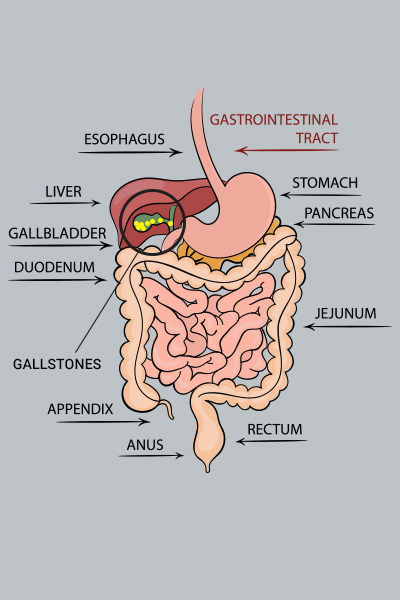
Gallstones or gallbladder stones are hard particles that develop in the bile duct or gallbladder, a small organ under the liver. The gallbladder’s primary role is to store bile, a fluid the liver produces to digest fat. Gallstones can form when there’s too much cholesterol or bilirubin in your bile.

Symptoms of gallstones may include:

  • Intense pain in the upper-right section of your abdomen.
  • Back pain between your shoulder blades.
  • Pain in your right shoulder.

Treatment often involves medication to dissolve the gallstones or, in severe cases, gallbladder removal through surgery.

Understanding Kidney Stones

On the other hand, kidney stones are solid masses made of crystals that originate in your kidneys. These stones can consist of calcium, struvite, uric acid, or cystine stones. Smaller kidney stones might pass on their own, causing little or no pain.

However, larger kidney stones can be quite painful, with the discomfort typically felt in the back or side below the ribs, travelling to the lower abdomen and groyne. Drinking ample water, pain medication, and medical procedures are common ways to find relief or remove these stones.

Differences Between Gallstones And Kidney Stones

The distinctions between kidney stones and gallstones are noteworthy. Let’s delve into these differences:

1. Stone Composition

Kidney stones comprise calcium, though uric acid stones and struvite stones can also occur. Conversely, gallstones mostly contain cholesterol or bilirubin.

2. Medical Terminology

The term for kidney stones is nephrolithiasis, while cholelithiasis refers to gallstones.

3. Causes

Various factors can cause kidney stones, including dehydration, protein-rich diets, sodium and sugar, obesity, and certain medical conditions. In contrast, gallstones form due to too much cholesterol or bilirubin in the bile, rapid weight loss, or blood disorders.

4. Common Symptoms

Both can cause severe pain, but the location of the pain is typically different. Kidney stones cause pain in the back or side below the ribs, while gallstones cause pain in the upper right of your abdomen.

5. Prevention

Drinking enough water helps prevent kidney stones, while a low-fat and low-cholesterol diet can prevent gallstones.

6. Treatment

For kidney stones, treatment could range from hydration and pain management to surgery, depending on the stone size. For gallstones, doctors may recommend gallbladder removal.

7. Risk Groups

Specific demographics are at a higher risk of developing these stones. For kidney stones, men are more commonly affected. For gallstones, women, people over 40, and individuals whose family members have a history of gallstones may have a higher risk.

8. Location Of Pain

Pain from gallstones is typically felt in the upper-right section of your abdomen, while kidney stones can lead to lower abdomen and back pain.

Similarities Between Gallstones And Kidney Stones

Despite their differences, gallstones and kidney stones share some commonalities. Both cause significant pain and discomfort and can lead to severe complications if left untreated. Some dietary habits, like eating a high-fat, sodium, and sugar diet, can contribute to developing both gallstones and kidney stones.

How To Prevent Gallstones And Kidney Stones

Here are steps to reduce your risk of developing either kidney or gallstones:

  • Hydration: Adequate fluid intake is paramount, particularly water. Hydration helps dilute the substances in urine that lead to stones. Practise proper hydration by drinking at least eight glasses of water daily.
  • Balanced Diet: Nutrient-dense foods are critical for overall health and to ward off these conditions. Incorporate fruits, leafy greens, lean meat, and whole grains into your diet.
  • Limit Sodium Intake: A diet high in sodium may increase the likelihood of kidney stones in your body. This is because it causes higher levels of calcium in your urine. For gallstones, it leads to increased cholesterol in bile. Reduce your consumption of processed foods, fast food, and table salt, typically high in sodium.
  • Increase Dietary Fibre: A fibre-rich diet can help your body remove excess cholesterol, reducing the risk of gallstones. Foods like legumes, fruits, vegetables, and are excellent sources of fibre.
  • Healthy Weight Maintenance: Strive for a balanced weight. Rapid weight loss can lead to an increased risk of gallstones. Regular exercise and healthy weight maintenance can also decrease your risk of kidney stones.
  • Regular Exercise: Physical activity can help manage body weight and prevent gallstones. For kidney stones, exercise helps to reduce blood pressure and decreases the amount of calcium the kidneys need to filter, thereby reducing the risk of stone formation.
  • Limit Intake of Oxalate-rich Foods: For those prone to calcium oxalate kidney stones, reduce the consumption of oxalate-rich foods like spinach, rhubarb, and certain nuts and teas.
  • Control Protein Intake: Consuming a lot of animal-based proteins can increase uric acid levels, leading to both uric acid stones and calcium stones. Opt for plant-based proteins or lean meats in moderation.
  • Cautious Use of Supplements: Excessive consumption of vitamin C and calcium supplements can contribute to stone formation. Consume these supplements judiciously and under medical supervision.

Conclusion On Gallstones Vs Kidney Stones

Understanding the differences between gallstones and kidney stones is paramount to early detection and proper treatment. Despite the discomfort they cause, lifestyle modifications and medical interventions can help manage and prevent these conditions. Always consult a healthcare provider when experiencing symptoms for proper diagnosis and treatment.

Need treatment for your gallstones? Gallstone removal is one of Dr Leong’s fields of expertise. He can perform professional gallbladder surgery in Singapore for those in need using the latest medical equipment and techniques.

Schedule a consultation now or visit his colorectal clinic in Singapore at Mount Alvernia Hospital, Medical Centre A.

Frequently Asked Questions On Gallstones Vs Kidney Stones

What Does Kidney Stone Pain Feel Like?

The pain of kidney stones is often described as excruciating pain starting in the lower back or flank, often spreading to the groin. The pain comes in waves and fluctuates in intensity.

Can Gallstones Turn Into Kidney Stones?

No, gallstones and kidney stones are different conditions. They develop in separate body parts and cannot transform into one another.

How Do I Check Myself For Kidney Stones?

You cannot reliably check yourself for kidney stones. If you suspect the presence of kidney stones in your body due to persistent pain or urinary changes, seek medical attention immediately.

What Foods Can Cause Kidney Stones?

High-oxalate foods, such as spinach, rhubarb, and nuts, can result in the formation of calcium oxalate kidney stones. Additionally, a diet high in sodium and animal proteins might increase the risk.

Do Gallstones Form In The Urinary Tract?

No, gallstones form in the gallbladder, not the urinary tract. They can, however, block the bile ducts, causing symptoms of pain and changes in digestion.

Can Gallstones And Kidney Stones Lead To Liver Disease?

While gallstones and kidney stones do not lead to liver disease, they can cause complications if they block the bile ducts, potentially leading to liver issues.

What Are Other Symptoms Of Kidney Stones Or Gallstones?

Besides causing symptoms of severe pain, kidney stones may cause cloudy or foul-smelling urine, frequent urination, and nausea. Conversely, gallstones may cause jaundice (yellowing of the skin and eyes), high temperature, and chills.

What Colour Is Your Urine When You Have Gallstones?

Gallstones themselves do not change the colour of urine. However, if a gallstone blocks the bile duct, it can lead to darker urine due to increased bilirubin levels.

Appendicitis While Pregnant: 6 Crucial Facts

Appendicitis While Pregnant

Acute appendicitis during pregnancy is a severe and potentially life-threatening medical emergency and requires speedy medical attention. Despite pregnancy being a common cause of acute abdominal pain, it poses a unique diagnostic challenge, primarily because of the overlap of normal pregnancy symptoms and appendicitis signs.

Furthermore, the possibility of encountering complications is elevated due to the physiological changes happening in the body of a pregnant woman.

1. What Is Appendicitis?

What Happens When You Have Appendicitis While Pregnant

Appendicitis occurs when the appendix is inflamed. This inflammation is often due to a blockage in the appendix lining, resulting in infection. Common symptoms include severe abdominal pain, particularly on the right side, nausea, vomiting, and fever. While anyone can develop appendicitis, it is most prevalent in people between 10 and 20.

2. Symptoms Of Appendicitis In Pregnancy

The presentation of acute appendicitis in pregnant women differs greatly from non-pregnant patients. The abdomen’s growing size and shifting organs can make it challenging to identify the exact location of the pain. Here are some unique symptoms to watch for:

Relocated Pain

The abdominal pain, which typically starts near the belly button and then gradually moves to the lower right side, might relocate upward as the uterus enlarges, especially in the second and third trimesters.

Elevated White Blood Cell Count

A complete blood count might reveal an elevated white blood cell count, signalling infection. However, this may also increase in a normal pregnancy, complicating the diagnosis.

Urinary Symptoms

Some pregnant patients may experience urinary tract infections that mimic appendicitis symptoms, such as frequent urination and abdominal discomfort.

Gastrointestinal Symptoms
Loss of appetite, vomiting, and nausea are all common symptoms of appendicitis. However, these symptoms also overlap with those of a normal pregnancy, which can add to the difficulty of diagnosing acute appendicitis during pregnancy.

Fever

A low-grade fever may be present in cases of acute appendicitis. If the fever is high, it may indicate a ruptured appendix, a severe complication.

Changes In Bowel Movements

Constipation or, in some cases, diarrhoea can occur. However, it’s worth noting these symptoms are not exclusive to appendicitis and can also be associated with normal pregnancy changes or other conditions.

Rebound Tenderness

This is a clinical sign often checked during a physical examination. It occurs when pain increases after pressure is quickly released from the abdomen, suggesting irritation to the peritoneum.

3. Diagnosing Appendicitis During Pregnancy

Acute appendicitis diagnosis in pregnant patients often presents a challenge due to the similarity of its symptoms with other conditions, such as ectopic pregnancy or inflammatory bowel disease. Nonetheless, healthcare providers typically utilise a multi-faceted approach, ensuring a correct diagnosis and avoiding invasive and unnecessary surgery. The diagnostic process may include:

  1. Clinical Signs: The medical professional will carefully consider the symptoms presented by the pregnant woman. These may include abdominal pain, relocated pain due to the growing uterus, and gastrointestinal symptoms.
  2. Physical Examination: This involves a detailed examination focusing on the abdominal area. The doctor might apply gentle pressure to the painful area, checking for rebound tenderness, a common sign of appendicitis.
  3. Laboratory Tests: Blood tests will be conducted, including a complete blood count. An elevated white blood cell count often indicates an infection in the body. However, as mentioned, this sign can be misleading as white blood cell count might also increase during normal pregnancy.
  4. Imaging Studies: Medical imaging techniques like ultrasound or magnetic resource imaging (MRI) are often used. These tests can help visualise the appendix and determine if there’s inflammation. Ultrasound is typically the first choice due to its safety profile for pregnant women and their unborn children.

It’s worth mentioning that these diagnostic methods aim not just to identify appendicitis but also to rule out other conditions that mimic it. The process requires careful consideration due to the implications of missed diagnosis and the potential negative impact of a surgical intervention when it’s not needed (negative appendectomy).

4. How To Treat Appendicitis In Pregnant Women

Once diagnosed with suspected acute appendicitis, surgical intervention is generally recommended. This is due to the high risk of a ruptured appendix, which could be life-threatening for both the mother and the unborn child.

Laparoscopic Appendectomy

A laparoscopic appendectomy is a minimally invasive surgical procedure preferred in the first and second trimesters. However, an open appendectomy may be necessary as the pregnancy progresses to the third trimester due to the enlarged uterus.

Open Appendectomy

This is a traditional surgical procedure typically performed when appendicitis is diagnosed in the third trimester of pregnancy. The procedure involves creating a larger incision in the abdominal area to remove the inflamed appendix.

As the uterus enlarges during the later stages of pregnancy, the appendix’s location may change, making it harder to reach with laparoscopic instruments. Therefore, open appendectomy offers better visibility and accessibility to the surgical site, allowing the surgeon to avoid contact with the uterus and other organs carefully.

Despite being more invasive than laparoscopic surgery, open appendectomy is considered safe for both mother and foetus during the late stages of pregnancy. However, it may have a slightly more extended recovery period and a higher chance of postoperative pain and complications like wound infection.

Antibiotic Therapy

After the surgical removal of the appendix, whether through laparoscopic or open surgery, antibiotic therapy is usually administered. This is a preventive measure to ward off potential infections resulting from the operation. The choice of antibiotics is critical here because some antibiotics are unsafe for pregnant women and can harm the unborn child.

Typically, a broad spectrum of pregnancy-safe antibiotics is prescribed. The length of the antibiotic course can vary depending on the patient’s overall health, any complications like peritonitis, and whether or not the appendix had ruptured before removal. The patient must complete the course of antibiotics as prescribed, even if they’re feeling better, to ensure the infection is fully eradicated and prevent antibiotic resistance.

Given the potential risks associated with a negative appendectomy, where a normal appendix is removed, precise diagnosis and careful treatment planning are crucial to ensure an ideal outcome for both the mother and the unborn child.

5. What Happens If You Get Appendicitis While Pregnant?

Acute appendicitis, if not treated promptly, can have severe implications for both mother and child. These risks include preterm labour, foetal loss, and in extreme cases, maternal death. Therefore, timely diagnosis and treatment of suspected appendicitis are crucial.

Should these symptoms arise, immediate consultation with a gastroenterologist or an obstetrician specialising in high-risk pregnancies is recommended. These specialists are well-versed in diagnosing and managing conditions like appendicitis during pregnancy, thus ensuring the best possible care and outcomes.

6. Preventing Appendicitis During Pregnancy

While there are no foolproof methods to prevent appendicitis during pregnancy, lifestyle choices may contribute to overall health and potentially decrease the chances of developing conditions like appendicitis. Some of these include:

  • Balanced Diet: A diet rich in whole foods like leafy greens, fruits, protein, and whole grains can contribute to overall health. Some studies suggest that a high-fibre diet might reduce the likelihood of developing appendicitis, although more research is needed.
  • Adequate Hydration: Drinking enough water daily helps the digestive system function smoothly and can prevent blockages in the appendix.
  • Regular Exercise: Regular, moderate-intensity exercise, like walking or prenatal yoga, can enhance overall health and well-being. Exercise promotes better circulation and digestion, potentially reducing the risk of constipation – a condition sometimes associated with appendicitis.
  • Routine Health Checkups: Regular checkups with your healthcare provider can help detect potential health issues early, including appendicitis-related problems.
  • Prompt Attention To Health Concerns: If you notice changes in your health or unusual symptoms, don’t ignore them. Get early detection from a licensed healthcare professional to ensure you get an accurate diagnosis.

Conclusion About Appendicitis In Pregnancy

The diagnosis of acute appendicitis during pregnancy is challenging for clinicians. This is because the symptoms of appendicitis often overlap with other conditions. Immediately recognising its symptoms and treatment is vital to prevent severe consequences for mother and child.

Additionally, understanding the symptoms of appendicitis, how it’s diagnosed, and available treatment options can better prepare pregnant women should they find themselves in this situation.

If you spot the common signs of appendicitis while you’re pregnant, consider consulting with a professional colorectal specialist in Singapore like Dr Leong.

Frequently Asked Questions On Appendicitis When Pregnant

Is It Safe To Have Appendix Surgery When Pregnant?

Yes, it is generally safe to have appendix surgery during pregnancy. Both laparoscopic and open appendectomy are considered safe surgical interventions for pregnant women with appendicitis.

Can Appendicitis Cause A Miscarriage?

While appendicitis itself does not typically cause miscarriage, complications from untreated or severe appendicitis, such as infection or rupture, could potentially lead to miscarriage or preterm labour.

Why Does My Right Side Hurt During Pregnancy?

Right-side pain during pregnancy could be due to several reasons, including regular pregnancy changes, round ligament pain, or conditions like appendicitis or gallbladder disease.

Where Is The Appendix Located When Pregnant?

When the uterus expands, pregnancy can shift the appendix upwards. Its exact location can vary, making diagnosis difficult.

Can Appendicitis Feel Like Pregnancy Pain?

Yes, some symptoms of appendicitis, such as abdominal discomfort and nausea, can overlap with those of normal pregnancy, making diagnosis challenging.

Does Removal Of Appendix Affect Pregnancy?

No conclusive evidence suggests that removing the appendix negatively impacts future pregnancies. However, like any surgery, it does carry with it certain risks of complications.

Symptoms Of Internal Bleeding In Stomach: 5 Things You Must Know

Symptoms Of Internal Bleeding In Stomach: 5 Things You Must Know

Internal bleeding in the stomach, also known as gastrointestinal bleeding, is a potentially life-threatening condition that requires prompt medical attention. This type of bleeding can manifest in various ways, depending on the severity and location of the bleeding source.

Common signs and symptoms of internal bleeding include vomiting blood, which may appear as bright red or have a dark, coffee-ground-like consistency, and black, tarry stools resulting from partially digested blood. Other symptoms may include abdominal pain, weakness, dizziness, or fainting due to blood loss.

1. Symptoms Of Internal Bleeding In The Stomach

Symptoms Of Internal Bleeding In The Stomach

Recognising the symptoms of internal bleeding in the stomach is crucial for timely intervention and treatment. Here are some symptoms that may indicate blood flow disruption due to severe internal bleeding:

  • Vomiting blood: Bright red or dark, coffee-ground-like in appearance
  • Black, tarry stools: A result of partially digested blood
  • Abdominal pain: Discomfort or cramping in the stomach region
  • Weakness: Fatigue or general malaise
  • Dizziness or fainting: Caused by blood loss and reduced blood flow to the brain
  • Rapid heart rate: The body’s attempt to compensate for blood loss
  • Pale skin and shortness of breath: Indicative of decreased blood volume and oxygen delivery
  • Confusion and disorientation: Indicates enormous blood loss, which can lead to total loss of consciousness.
  • Bruising: Bruising can occur around the navel, belly, and flank. Fractures can also lead to extensive bruising.
  • Shortness of breath: This can be a symptom of internal bleeding in the stomach as the body struggles to compensate for the loss of blood volume, leading to reduced oxygen delivery to tissues and organs. This respiratory distress may be accompanied by feelings of weakness, dizziness, or even fainting.

2. Causes Of Internal Bleeding In The Stomach

Internal bleeding in the stomach can occur due to various conditions affecting the blood vessels and the lining of the gastrointestinal tract. The types of internal bleeding where this phenomenon occurs include:

Peptic Ulcers

Sores that develop on the stomach lining, oesophagus, or upper part of the small intestine, are often caused by Helicobacter pylori infection or nonsteroidal anti-inflammatory drugs (NSAIDs). Peptic ulcers can erode blood vessels, leading to internal bleeding.

Gastritis

Inflammation of the stomach lining may cause bleeding, resulting from factors such as excessive alcohol consumption, certain medications, infections, or autoimmune disorders.

Esophageal Varices

Swollen blood vessels in the oesophagus lining are commonly associated with liver disease. These fragile vessels can rupture due to increased blood pressure, leading to severe internal bleeding and requiring medical emergency.

Mallory-Weiss Tear

A tear in the lining of the oesophagus or stomach is typically caused by forceful vomiting or retching. This condition can damage blood vessels and cause internal bleeding.

Gastrointestinal Tumours

Benign or malignant growths in the stomach or intestinal lining can lead to bleeding as they invade blood vessels or disrupt the tissue.

Angiodysplasia

This condition involves the development of abnormal, fragile blood vessels in the gastrointestinal tract, which can rupture and cause internal bleeding.

Dieulafoy’s Lesion

A rare but potentially life-threatening cause of gastrointestinal bleeding, this condition involves the presence of an abnormally large artery in the stomach or intestinal wall that can rupture and bleed.

Hemorrhagic Gastritis

This acute form of gastritis is characterised by the rapid onset of bleeding from the stomach lining, often caused by severe stress, critical illness, or injury.

Aortoenteric Fistula

Aortoenteric fistula is a rare and life-threatening condition in which an abnormal connection forms between the aorta (the main artery in the body) and the gastrointestinal tract, resulting in massive internal bleeding.

Gastrointestinal Ischemia

Reduced blood flow to the digestive tract due to blocked or narrowed blood vessels can damage tissue and lead to internal bleeding.

Ingestion Of Caustic Substances

Accidental or intentional ingestion of corrosive chemicals or foreign objects can cause damage to the lining of the gastrointestinal tract, leading to internal bleeding.

Iatrogenic Injury

Internal bleeding in the stomach can occur due to medical procedures or treatments, such as endoscopy, surgery, or the use of certain medications that affect blood clotting.

Aneurysm

Internal bleeding may also be caused by an aneurysm, which represents a swelling in a blood vessel due to a weakened vessel wall. This weakness can lead to the rupture of the vessel. In some cases, an aneurysm rupture occurs during intense activity, while in others, it can happen unexpectedly during rest or sleep.

Aneurysms in the abdomen (abdominal aortic aneurysms) are common. If you suspect any of the symptoms mentioned above without relief, it’s best to seek immediate medical attention.

Blunt Force Trauma

Blunt force trauma is a significant cause of internal bleeding in the stomach, often resulting from high-impact events such as car accidents, falls, or physical assaults.

When the abdominal region experiences a forceful impact, the stomach’s blood vessels, organs, and tissues can be damaged, leading to internal bleeding.

In some cases, the bleeding may be slow and initially present without obvious symptoms, making it challenging to detect.

However, as enough blood accumulates within the abdominal cavity, individuals may experience discomfort, pain, and other signs of internal bleeding. Rapid detection and treatment are crucial in these situations, as severe internal bleeding can be life-threatening if left unaddressed.

Again, seeking medical attention and treatment is essential following a traumatic event with a potential abdominal injury, even without apparent symptoms.

Inflammatory Bowel Disease

Inflammatory Bowel Disease (IBD) encompasses chronic inflammatory conditions affecting the gastrointestinal tract, including Crohn’s disease and ulcerative colitis. These disorders can lead to internal bleeding in the stomach and other parts of the digestive system.

The inflammation associated with IBD can cause the mucosal lining of the gastrointestinal tract to become damaged and ulcerated.

As a result, blood vessels within the affected area may be compromised, and internal bleeding may occur.

The severity of bleeding can vary depending on the extent of the inflammation and the specific blood vessels involved.

Haemorrhoids

Haemorrhoids, although typically associated with the rectum and anus, can occasionally contribute to internal bleeding in the digestive tract, including the stomach.

These swollen blood vessels can develop around the anal region or within the rectum, leading to bleeding when irritated or strained.

3. When To See A Doctor For Internal Bleeding In Your Stomach?

Patient visiting a doctor due to internal bleeding

While some cases of internal bleeding in the stomach may come with obvious symptoms, others might be more subtle, making it crucial to recognise the warning signs and seek medical help as needed.

Seek medical help if you experience common internal bleeding symptoms and symptoms of shock (due to rapid bleeding), such as:

  • Rapid or weak pulse: The body tries to compensate for the blood loss by increasing the heart rate.
  • Pale or cold, clammy skin: This results from decreased blood flow to the skin.
  • Rapid, shallow breathing or shortness of breath: The body struggles to get enough oxygen due to reduced blood volume.
  • Confusion or altered mental state: Decreased oxygen delivery to the brain may lead to cognitive impairments.
  • Weakness or fatigue: The body cannot maintain normal energy levels due to blood loss.
  • Low blood pressure (hypotension): Blood pressure drops as the body struggles to maintain adequate circulation.
  • Decreased urine output: Reduced blood flow to the kidneys results in less urine production.

4. Treatment For Internal Bleeding In The Stomach

Healthcare professional in a Singapore clinic explaining the treatment for internal bleeding in the stomach.

Addressing internal stomach bleeding is paramount to prevent severe complications such as organ failure and promote a full recovery.

A comprehensive treatment plan involves identifying the underlying cause, controlling the bleeding, and managing associated symptoms.

Stabilising The Patient

The first step in treating internal bleeding in the stomach is stabilising the patient. This may include administering intravenous fluids, blood transfusions, or medications to support blood pressure and prevent shock.

Diagnosis

Next, healthcare providers will use diagnostic tools, such as endoscopy, to identify the source of bleeding and determine the best course of action.

Endoscopy is often the first-line approach for diagnosing and treating internal bleeding in the stomach.

This procedure involves a flexible tube with a scope and specialised instruments to visualise the digestive tract, locate the bleeding site, and potentially treat the problem.

Endoscopic techniques can be used to cauterise, clip, or inject medications into blood vessel walls to stop the bleeding.

Surgery

In more severe cases or when endoscopic treatment is unsuccessful, surgery may be necessary to repair or remove the damaged tissue, blood vessels, or organs causing the bleeding.

Laparoscopic or open surgical techniques may be employed depending on the patient’s condition and the surgeon’s assessment.

Medication

Pharmacological interventions, such as acid-suppressing medications, may also be prescribed to facilitate healing and prevent further bleeding, especially in peptic ulcers or gastritis.

5. How To Prevent Internal Bleeding In The Stomach

Preventing internal bleeding in the stomach is an essential aspect of maintaining good gastrointestinal health.

Taking a proactive approach and following these strategies allows you to reduce the risk of developing stomach bleeding and associated complications.

Manage Underlying Medical Conditions

Keep chronic conditions, such as Inflammatory Bowel Disease, under control with regular follow-ups and treatment adherence.

Maintaining favourable blood pressure control and managing clotting factors in patients with bleeding disorders can also reduce the risk of internal bleeding.

Use Medications Responsibly

Be cautious with nonsteroidal anti-inflammatory drugs (NSAIDs) and blood-thinning medications, as prolonged use can increase the risk of stomach bleeding.

Always follow your healthcare provider’s recommendations and seek alternatives when appropriate.

Protect Your Stomach Lining

Adopt a healthy diet and limit the consumption of alcohol, caffeine, and spicy foods that can irritate the stomach lining.

Regular Check-Ups

Schedule routine physical examinations and screenings to detect and address potential issues early. Early detection and intervention can prevent complications related to internal bleeding in the stomach.

Avoid Risky Behaviours

Reduce your risk of trauma and injury by practising safe driving habits, wearing appropriate protective gear during sports, and maintaining a safe home environment to prevent falls.

Conclusion About Internal Bleeding In The Stomach

Addressing internal bleeding in the stomach is vital to prevent severe complications and promote optimal health. Understanding the warning signs, getting appropriate treatment, consulting with a professional colorectal specialist and following preventive measures can all significantly improve patient outcomes.

Always be proactive and vigilant in ensuring optimal gastrointestinal health. 

Frequently Asked Questions About Symptoms Of Internal Bleeding In The Stomach

Can A Peptic Ulcer Cause Internal Bleeding?

Yes, a peptic ulcer can cause internal bleeding when the ulcer erodes the stomach or duodenal lining, damaging blood vessels.

How Can I Differentiate Between Stomach Cramps And Internal Bleeding?

Stomach cramps often cause intermittent pain and may be associated with certain foods, while internal bleeding typically presents with persistent pain, dark or bloody stools, and possibly weakness or dizziness.

How Long Can Internal Bleeding In The Stomach Go Unnoticed?

Internal bleeding in the stomach can go unnoticed for variable periods, depending on its severity; mild bleeding might be asymptomatic, while severe bleeding can cause rapid symptom onset.

Can Unexplained Weight Loss Be A Symptom Of Stomach Internal Bleeding?

Unexplained weight loss is not a direct symptom of internal stomach bleeding. Still, it may indirectly indicate an underlying issue, such as a peptic ulcer, which can cause internal bleeding.

What Does A Colorectal Doctor Do? A Comprehensive Guide

what does a colorectal doctor do

“What does a colorectal surgeon do?” is a question often asked by patients who need treatment for colorectal problems.

Colorectal surgeons are specialists in their field who treat, diagnose, and perform surgery on multiple conditions affecting the lower gastrointestinal tract. Also known as the GI tract, this part of the digestive system comprises the large intestine, colon, and anus.

Often, colorectal surgeons also work alongside gastroenterologists to treat conditions affecting the entire GI system. They may perform similar procedures and manage similar conditions.

When Should You Visit A Colorectal Surgeon?

What to expect from a colorectal doctor

A patient will typically consult a colorectal surgeon if they experience symptoms affecting their GI tract. Many patients start by seeing a general physician or gastroenterologist, who will later refer the patient to a colorectal doctor.

Medical conditions that will likely require treatment by a colorectal surgeon include:

  • Inflammatory Bowel Disease (IBD)
  • Colorectal cancer and polyposis
  • Peritoneal carcinomatosis
  • Hereditary nonpolyposis colorectal cancer (HNPCC)
  • Anal cancer
  • Appendix cancer
  • Anal fistulas
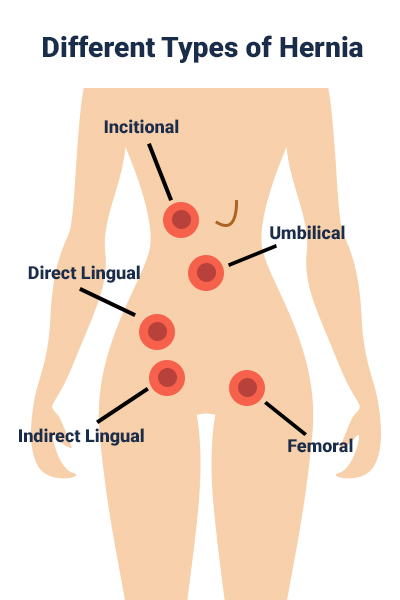
  • Hernias
  • Rectal prolapse
  • Perianal abscess
  • Ischemia (blood supply loss)
  • Gallstones
  • Diverticular disease
  • Ulcerative colitis
  • Appendicitis
  • Crohn’s disease
  • Rectal bleeding
  • Anal warts
  • Haemorrhoids
  • Constipation
  • Rectal bleeding/gastrointestinal bleeding

Do Colorectal Surgeons Treat Conditions That Affect Only The Large Intestine?

While colon and rectal surgeons specialise in the large intestine, they also perform advanced general surgery.

Most of our body’s organs affect each other — this is why colorectal surgeons may often treat other organs closely linked with the large intestine or share the same conditions.

Other organs which a colorectal surgeon may treat include:

  • Urinary tract
  • Stomach
  • Small intestine

What Qualifications Does A Colorectal Surgeon Have?

Board-certified colon and rectal surgeons will at least have completed a five-year training program in general surgery and additional training at an ACGME-accredited (Accreditation Council for Graduate Medical Education) colon and rectal surgery residency.

In addition to their proficiency in general surgery, colon and rectal surgeons also have specialised skills in performing endoscopies of the rectum and colon. They can also perform anorectal physiology techniques to examine and diagnose anal sphincter and pelvic floor disorders.

Many colorectal surgical residency programs offer training in minimally invasive surgery of the abdomen, including the rectum and colon.

What's The Difference Between A Colorectal Surgeon And A General Surgeon?

1. Specialty

The primary difference between a general and a colorectal surgeon is the level of depth and knowledge in treating specialised conditions. 

General surgeons are typically trained in general GI tract surgery. Meanwhile, a colorectal surgeon has received in depth training in bowel surgery, especially in the colon and rectum.

2. Availability

General surgeons are available in many public hospitals and centres. While you can still find a colorectal surgeon in public health centres and communities, many opt for private practice. 

3. Minimally Invasive Surgery

In urgent cases, a general surgeon is less likely to perform laparoscopic surgery than a colorectal doctor. The latter can comfortably perform minimally invasive surgery, especially for patients requiring emergency attention. 

This is because they have a professional understanding and experience in advanced IBD principles and techniques, which a general surgeon does not have.

What Techniques Do Colorectal Surgeons Use?

What Techniques Do Colorectal Surgeons Use?​

Colorectal surgeons use various surgical and endoscopic techniques to treat their patients’ GI tracts. They have all the right equipment and tools to treat complex conditions, either through endoscopy, minimally invasive surgery, or open surgery.

Some techniques done by colorectal surgeons include:

  • Colonoscopy – Examination of the digestive system (colon lining and rectum) to detect irregularities in the bowel and determine possible symptoms of colorectal cancer.
  • Sigmoidoscopy – Diagnostic test for examining the sigmoid colon (lower part of the large intestine or colon), which is close to the anus and rectum. This may be done to get a tissue sample (biopsy) and diagnose symptoms such as diarrhoea, constipation, polyps, bleeding, abdominal pain, etc.
  • Laparoscopic surgery – A minimally invasive surgery allowing a doctor to make small, 0.5 to 1.0 cm cuts on the patient to treat conditions that may develop inside the abdomen or pelvis.
  • Gastroscopy– Non-surgical procedure to examine a person’s upper digestive system. 

Aside from advanced surgery techniques, a colorectal surgeon can also perform different procedures, including:

  • Endoscopic mucosal resection (EMR) or endoscopic submucosal dissection (ESD) – Removal of difficult tumours.
  • Polypectomy – Surgical removal of polyps from the intestines.
  • Bowel resection surgery – Removing the entire large bowel or parts of it. This surgery is also known as a colectomy.
  • Ostomy surgery – An operation that redirects bowel contents to a stoma or an opening outside the abdomen connecting to the digestive system.
  • Appendicectomy – Removal of an infected or inflamed abdomen.
  • Anastomosis surgery – Reversal of an ostomy. This procedure reconnects the colon to the remainder of the rectum after most of it has been removed through colorectal cancer surgery.
  • Rectopexy – Repair of rectal prolapse. It can be performed through an abdominal incision or keyhole surgery.
  • Lateral internal sphincterotomy – Operation to treat an anal fissure or a tear in the anal opening which can cause itching, pain, and bleeding.
  • Hernia repair – Surgical procedure for fixing a hernia (herniorrhaphy).
  • Open and stapler haemorrhoidectomy – Excision of excess haemorrhoid tissue by lifting and returning it to its original position.

Conclusion On What Colorectal Surgeons Do

The domain of a colorectal surgeon lies in treating, diagnosing, and conducting surgery on medical conditions affecting the lower GI tract.

Although not all colorectal conditions need surgical treatment, visiting a colorectal specialist is advised, as they can treat your condition more effectively.

Dr Q.M. Leong is a colorectal surgeon in Singapore with decades of experience in his field. He specialises in treating haemorrhoids, gallbladder diseases, peptic ulcer, diverticular disease, and other GI diseases.

Need a colonoscopy screening? Book a consultation now or visit his colorectal clinic at:

Mount Alvernia Hospital
Medical Centre A
820 Thomson Road #01-06
Singapore 574623

Clinic Hours:

Monday to Friday, 8:30am – 12:30pm, 2pm – 5:00 pm
Saturday: 8:30am – 12:00pm
Sunday and Public Holidays: Closed

Frequently Asked Questions About
What Colorectal Surgeons Do

Why Would You Need To Be Referred To A Colorectal Surgeon?

There are different instances where a general surgeon may refer you to a colorectal doctor. For example, you’ll need to visit a surgeon if they discover a large polyp in your stomach which can’t be removed through an endoscopy. The doctor may also refer you to a colorectal surgeon for a colon cancer diagnosis.

Colorectal surgeons can treat benign and malignant conditions and perform routine colon screening and surgery when needed. Meanwhile, a gastroenterologist is a doctor who has completed internal medicine training and gastroenterology.

It is possible to feel painful sensations that come and go away a few days after undergoing colorectal or bowel surgery. You may experience the following:

  • Bowel cramps
  • Tenderness due to incision
  • Flu-like symptoms
  • Low-grade fever
  • Nausea

Depending on the procedures and techniques, many patients need to recover for several days in the hospital after colorectal surgery. They may need 3-6 weeks of recovery at home.

Yes. Contact a colorectal surgeon in Singapore if you experience irritable bowel syndrome symptoms such as:

  • Bloating
  • Constipation
  • Diarrhoea
  • Stomach cramps
  • Frequent need for bowel movement
  • Flatulence (excessive farting)

Anal Warts: Risks, Causes, Symptoms, and Prevention

anal warts

Anal warts are a form of genital warts that appear inside or near the anus. Also known as condyloma cuminata, anal warts result from the Human Papilloma Virus (HPV). HPV is one of the most common sexually-transmitted diseases passed through direct contact. Warts first appear as small growths and may grow larger and occupy the entire anus.

Most cases of anal warts don’t result in any discomfort or painful sensations. Most patients won’t even know if they eventually develop these genital warts. But if the clumps grow much more prominently later on, they may lead to itchiness, bleeding, and a mucus discharge in some cases.

What Are The Causes Of Anal Warts?

Genital warts can look like small, flesh-coloured bumps that cover the part of the skin affected. They usually appear after a sexual encounter with an HPV-infected person. HPV may go away after some time for younger individuals and may not even lead to any visible signs and symptoms. However, the virus may stay longer in the body. It may also lead to the development of cancerous or non-cancerous genital warts.

A carrier transmits HPV through direct contact with the mouth, penis, vagina, or anus. However, sexual intercourse is unnecessary for the infection to spread. Individuals can pass HPV to another through direct skin-to-skin contact. Even if the warts are invisible or not yet formed, HPV contraction is still possible.

Who Are At Risk Of Anal Warts?

In general, men and women who have a sexually active lifestyle may get anal warts. A person increases their chances of spreading or contracting anal warts if:

  • They’re consistently engaged in unprotected sex (not using any condoms or dental dams)
  • They’re promiscuous or have multiple sexual partners all at once
  • They frequently engage in anal/vaginal intercourse
  • They’re sexually active at a young age
  • They’ve had sexual relations with an HPV-carrier
  • They have an immunocompromised immune system due to a chronic illness or medication

What Are The Symptoms Of Anal Warts?

Anal warts often begin as small bumps around the anal area and are no bigger than a pinhead. They’re usually too small to notice but can accumulate into large clumps over time. The clusters may match the colour of the surrounding skin tissue or maybe yellowish or pinkish. 

Painful sensations or discomfort on the anus don’t usually accompany anal warts. Symptoms are rare, but there may be itchiness or a lumpy feeling around the anal region. 

Other forms of genital warts can also appear simultaneously as anal warts. In women, the clusters may develop on the vagina, vulva, or cervix. Meanwhile, men can develop genital warts on the inside of their thighs, groin, scrotum, or penis. 

If someone has engaged in oral sex with someone who has anal warts, this could also lead to a mouth infection. Warts may develop on the insides of the mouth or throat. Although benign, warts may make it difficult for the person to swallow or breathe properly due to partially blocked airways.

How Do Doctors Diagnose Anal Warts?

A doctor or colorectal specialist may diagnose anal warts by examining the anus. The patient will undergo an anoscopy. The doctor places a small tube to observe the lining of the anus and rectum. Through a visual inspection, they can determine the presence of anal warts. 

If the patient isn’t responding to treatment well, the doctor may conduct a biopsy or request tissue samples. The reason is that HPV-infected individuals with anal warts are more prone to anal cancer.

What Is The Treatment For Anal Warts?

Treatment for anal warts can be invasive or non-invasive. A colorectal surgeon can surgically remove warts, or they can prescribe topical medications to the patient. In non-severe cases, warts go away on their own, and the individual may choose not to have them treated further.

Topical Medications

For small, non-cancerous anal warts, a doctor may recommend home treatment in the form of topical medication. Common medications for anal warts include podophyllin, trichloroacetic, and bichloroacetic acid. After applying the cream or gel, the patient may feel burning or discomfort for a few minutes. But they can resume daily activities immediately afterwards.

Some topical creams and gels may irritate the affected anal region. If you experience these, stop using the cream immediately and contact your colorectal physician.

Cryotherapy Or Burning

A doctor applies the liquid nitrogen to warts during cryotherapy to remove them. This procedure causes the tissues to freeze and eventually fall off.

Alternatively, the doctor may cauterise anal warts. Cauterising is done by “burning” the warts. The doctor will apply an acidic solution to destroy the tissue. 

Surgery

If anal warts have become enlarged, the doctor can recommend a surgical procedure. The doctor will put the patient under general anaesthesia and then cut away the clumps using these instruments:

  • Surgical blade
  • Heated instrument
  • Laser.

After surgery, the patient may need to take time away from work or school to recover. They may also need to return to the doctor for a few more rounds of surgery. This is the case if there are too many anal warts to remove in just one session. 

How To Prevent Anal Warts?

Since the HPV virus stays in the body often without any warning signs, you can protect yourself from it (and anal warts) by taking these precautions:

  • Get tested before and after engaging in sexual intercourse
  • Avoid sexual contact with people who have anal or genital warts
  • Always use protection when having sex
  • Limit sexual contact to only one partner
  • Get HPV vaccination to protect against this STD

Conclusion

Anal warts are a type of genital warts that form in the anus. An HPV-infected individual can pass warts onto others through direct skin contact. 

In this guide, we’ve covered some basics about anal warts, including risk factors, prevention methods, symptoms, and causes. If you or someone you know has anal warts, it’s not a cause for concern as they go away over time. However, if you want to make sure you’re healthy, you can contact a trained colorectal surgeon in Singapore for treatment.

Dr QM Leong is a colorectal surgeon in Singapore specialising in colorectal cancers, hemorrhoids, anal fissures, hernias, and other related medical conditions. Get in touch with us now and tell us how we can help you.

Frequently Asked Questions About Anal Warts

A trained colorectal specialist can tell the difference between anal warts and haemorrhoids. Warts appear in clumps and feel rougher to the touch. Meanwhile, haemorrhoids, which are enlarged blood vessels, tend to be smoother.

If you can’t identify them yourself, it’s best to get in touch with a specialist who can examine and diagnose your colorectal condition.

No, anal warts aren’t usually painful. A person with anal warts can still do their day-to-day activities without being hampered.

Anal warts caused by HPV infections will go away after a few months or years. However, this doesn’t mean that the virus is no longer present in your body. As much as possible, get treatment for anal warts. Treatment prevents them from spreading and growing into larger and potentially painful clumps.

Endoscopy in Singapore

Detailed Guide to Endoscopy Procedure Singapore

An endoscopy procedure is a minimally invasive non-surgical medical procedure. Traditional endoscopy is done by inserting a flexible tube to examine the patient’s organs or tissues. If you need to undergo an endoscopy in Singapore, it is best to consult with a specialist at an endoscopy centre. Doing this will allow you to have an idea of what the process is all about.

What Is An Endoscopy?

Diagnostic and therapeutic endoscopy is non-surgical and is done to observe an individual’s digestive tract. This procedure requires a flexible tube with a scope/camera attached to one end. Through this, your specialist can view images of your digestive tract on a monitor.

When To Visit An Endoscopy Specialist In Singapore?

Your specialist may recommend an endoscopy procedure in Singapore if you experience common problems with your digestive system. The occasional stomach pain, nausea, and indigestion may not be a cause for concern. However, it is best to consider an endoscopy if the pain is persistent.

Endoscopy procedures in Singapore give your specialist insights into your lower and upper digestive tract. This medical screening may be done to:

  • Identify the cause of digestion-related symptoms (i.e. bleeding, abdominal pain, excessive bloating, etc.)
  • Determine the severity of your digestive issues
  • Perform a biopsy on a specific area in the digestive tract
  • Screen for colorectal cancer or other types of cancers
  • Remove benign polyps that may metastasise or worsen to cancer 
  • Observe pre-existing gastrointestinal conditions

An endoscopy views the entirety of your digestive system, including the upper and lower intestines, oesophagus, and stomach. Additionally, it offers a more accurate view of your digestive health and condition than X-rays. If you suspect you have ulcers or inflammation, an endoscopy will help. 

Types Of Endoscopic Procedures

Affordable Endoscopy Cost Singapore - Quality Care

Endoscopic procedures are further classified into different types. Each differs on the area to be examined and where the scope will be inserted. Below are some types:

Gastroscopy

Gastroscopy treats and diagnoses conditions affecting the oesophagus, stomach, duodenum, or upper intestine.

In addition, a Gastroscopy can also help a doctor understand the cause of unexplained symptoms, such as:

  • Bleeding
  • Heartburn
  • Stomach pain
  • Difficulty swallowing
  • Unexplained weight loss
  • Persistent heartburns 

Laparoscopy

Also known as keyhole or minimally-invasive surgery, laparoscopic surgery involves small incisions on your body. In this screening, a doctor will make a small incision on your skin and insert a small tube with a camera.

A laparoscopy can help diagnose conditions in the abdomen or pelvis. It may also be used to perform surgical procedures, such as removing a damaged / diseased organ or taking tissue samples for a biopsy.

Colonoscopy

Unlike an endoscopy, a specialist performs colonoscopy by inserting the scope intoa patient’s colon or rectum. Adults aged 40 and older are at a higher risk of colon cancer or cancerous polyps. It is ideal for them to undergo a colonoscopy, as it helps determine abnormalities in the colon and rectum. Some symptoms include:

  • Rectal bleeding
  • Change in bowel habits
  • Presence of blood in the stool
  • Unexplained weight loss
  • Abdominal pain or discomfort
  • Inflammatory Bowel Diseases (IBS) 

Cystoscopy

In a cystoscopy screening, your doctor will examine the walls or lining of your bladder and the urethra (the tube that carries urine away from the body). The doctor will insert a cystoscope or a hollow tube inside your urethra and gradually extend it into the bladder.

Patients with medical issues relating to their bladder or urethra may need a cystoscope. Some of the most common symptoms include the following:

  • Blood in urine or hematuria
  • Incontinence or inability to control the bladder
  • Overactive bladder
  • Pain while urinating

Your doctor might also conduct another procedure known as ureteroscopy simultaneously with your cystoscopy. This procedure uses a much smaller scope to observe the tubes carrying urine from the kidneys towards the bladder. 

Sigmoidoscopy

As the name suggests, a sigmoidoscopy examines the sigmoid or the lower part of the large intestine before the rectum. Sigmoidoscopies are also often done to take tissue samples, conduct a biopsy, or remove polyps or haemorrhoids. It’s also considered a type of colorectal and rectal cancer screening.

Sigmoidoscopies can help diagnose a range of diseases and medical conditions. If you have any of the following, you may consider this type of endoscopy:

  • Diarrhoea
  • Constipation
  • Polyps
  • Rectal bleeding
  • Belly pain

Some of your symptoms may overlap, making it difficult for you to determine which type of screening to take. In such cases, consider talking to a doctor or specialist about the matter. 

What To Expect During An Endoscopy Procedure?

Though an endoscopy is minimally invasive, some individuals may have fears about the procedure. The idea of a small tube inserted into the body may sound worrisome. But, with a professional endoscopy specialist in Singapore, rest assured that your endoscopy will be free from serious risks.

The evening before your endoscopy, ensure that you have an empty stomach. Therefore, you must fast for at least 6 hours before the procedure or as instructed by your doctor. 

An empty stomach gives your doctor a much clearer and unobstructed view of your stomach, intestine, and GI tract. The doctor may also recommend you take a laxative to clear your bowels.

As preparation, the doctor will apply local anaesthesia to numb the area to be examined. They will also sedate you to relax your body during the tube insertion.

The endoscopy procedure in Singapore can be done in as short as 15 to 30 minutes. After which, your specialist will further observe you, especially after your sedative has worn off. You may experience mild symptoms like cramps or soreness after an endoscopy. But, any discomfort tends to resolve quickly.

What Are The Potential Risks Of An Endoscopy

Endoscopy procedures are generally safe, but some complications are associated with them . These risks include:

  • Allergic reaction to the sedative
  • Bleeding or infection in the digestive tract
  • Perforation or a tear in the digestive lining
  • Pain in the chest area

It is best to inform your endoscopy specialist in Singapore immediately if you experience discomfort after the procedure. 

Recovery After An Endoscopy Procedure

Endoscopy Singapore Price - Transparent Rates

After an endoscopy procedure, your specialist will advise you to stay at the clinic or endoscopy centre for 1 to 2 hours. Sometimes, you may have to stay overnight, especially if you receive treatment after the screening. 

Some patients report experiencing sore throat for 2 days after an endoscopy. You may need a specialist’s consultation if you experience the same. Alternatively, you may relieve the soreness by drinking warm water.

Getting An Endoscopy Procedure In Singapore

Conducting an endoscopy procedure allows your doctor to assess any present issues in your digestive tract. It is not a cause for worry if you experience minor digestive problems. However, it may be time to consult an endoscopy specialist in Singapore if the problem persists. 

Dr Q. M. Leong is a professional colorectal surgeon in Singapore. He specialises in diagnosing colorectal cancers, haemorrhoids, peptic ulcers, gastritis, and other gastrointestinal diseases. Get in touch with Dr Leong to inquire more about endoscopy in Singapore.

Frequently Asked Questions About Getting An Endoscopy In Singapore

A few factors can impact the overall cost of an endoscopy, including the type of endoscopy being performed, the extent of the procedure, and the specific clinic or hospital in Singapore where it is done. Costs can also vary based on whether biopsies or other procedures are conducted during the endoscopy.

In Singapore, the cost of an endoscopy can range from SGD 1,000 to SGD 3,000 or more. This range includes factors such as the type of endoscopy, the use of sedation, and any additional procedures or tests required.

Typically, the cost of an endoscopy in a private clinic is higher than in a public hospital. Private clinics often charge more due to shorter waiting times, more personalised care, and enhanced facilities. On the other hand, public hospitals in Singapore may offer lower prices due to government subsidies and larger-scale operations, but they might have more extended waiting periods for non-emergency procedures.

The costs of necessary medications after an endoscopy can vary. Common medications might include pain relievers, antibiotics to prevent infection, or medications to manage conditions diagnosed during the procedure. These costs are usually not included in the initial procedure fee and can range from minimal to several hundred dollars.

Results from an endoscopy can be available immediately if the procedure is diagnostic, such as visualising the gastrointestinal tract. However, if biopsies or lab tests are conducted, it typically takes several days to a week to receive the results.

Endoscopy specialists in Singapore are trained to handle complications that may arise during the procedure. They closely monitor the patient’s vital signs and are prepared to manage issues such as bleeding, perforation, or adverse reactions to sedation. In the event of a complication, the specialist will immediately stabilise the patient and provide appropriate treatment.

An endoscopy specialist in Singapore can provide dietary and lifestyle advice after the procedure. Based on the examination, the specialist may recommend changes to the patient’s diet, suggest lifestyle modifications, or prescribe medications to manage diagnosed conditions. 

Endoscopy prices in Singapore can change periodically due to fluctuations in clinic operating costs, medical supply prices, and updates to healthcare regulations. Other factors such as advancements in endoscopy technology, changes in insurance coverage policies, and adjustments in government subsidies can also influence price changes.

Several factors may result in higher cost of endoscopy in singapore, including the type of procedure (gastroscopy, colonoscopy, or specialised endoscopy), whether sedation is required, the reputation and experience of the doctor, and the facility where the procedure is performed (private vs public hospital). Additional diagnostic tests, biopsies, or polyp removal during the procedure can also increase the overall cost.

In most cases, consultation fees are separate from the endoscopy procedure itself in Singapore. Typically, you’ll be required to pay for a pre-procedure consultation to assess your condition and a follow-up consultation to review the results. It’s important to check with your clinic to understand what is covered.

More complex medical conditions often require additional steps during an endoscopy, such as biopsies, polyp removal and the use of specialised equipment. This can increase the overall cost of the procedure. Complex cases may also necessitate a longer procedure time or the involvement of multiple specialists, further influencing pricing.

Ligation Of Hemorrhoids: 7 Things To Understand

Ligation of hemorrhoids

Hemorrhoids is a common disease characterised by swollen blood vessels in the anus or lower rectum. Hemorrhoids can occur from straining during bowel movements or sitting for long periods on the toilet. All these can lead to increased pressure in the lower rectum, causing perianal swelling.

Different treatment options are available for hemorrhoids, such as over-the-counter creams and suppositories or tablets.

Another method is rubber band ligation of hemorrhoids. This option is available only for those suffering from internal hemorrhoids, and not external hemorrhoids.

1. What Is Ligation Of Hemorrhoids?

Rubber band ligation of hemorrhoids involves tying off the hemorrhoid at its base using a rubber band. This effectively restricts the blood flow to the hemorrhoid and causes it to fall off after 7 to 10 days.

As mentioned, rubber band ligation is only for the treatment of internal hemorrhoids, wherein the swollen blood vessels develop inside the rectum.

Symptoms don’t usually manifest for internal hemorrhoids, but painless bleeding during bowel movements is the most common symptom. Trace amounts of blood may appear on the toilet or tissue.

In such cases, the doctor may require hemorrhoid banding, especially when the patient reports other symptoms like prolapse.

2. Rubber Band Ligation Procedure For Hemorrhoids

rubber band ligation procedure for hemorrhoids

To perform rubber band ligation, your doctor will insert an anoscope into your anal canal, allowing them to examine the hemorrhoid.

The doctor inserts a special instrument similar to a syringe but without the needle. It’s a safe and single-use device which sucksthe hemorrhoid tissue into the ligator.

The hemorrhoid is clasped with a small device to keep it in place. It will then wrap a rubber band around the hemorrhoid’s base, cutting off the blood flow and falling after several days.

Most rubber band ligation procedures occur in the endoscopy centre for about 5 minutes.. Patients may go home after the procedure and may continue with day-to-day activities. 

3. Preparation For Hemorrhoid Banding

Before the hemorrhoid ligation, your doctor will provide pre- and post-procedure care instructions and teach you what to do.

Make sure you go over and follow them thoroughly on your own. This ensures a smooth-sailing procedure with minimal-to-no complications.

Consult with your doctor for any additional questions or concerns about the procedure. They’ll clarify everything with you beforehand for your peace of mind.

Due to the simplicity of hemorrhoid banding, you don’t need to undertake special preparations. You don’t have to fast or refrain from a high fibre diet to clear your bowels.

However, if you’re taking blood thinners, your doctor may advise you to stop taking them at least 7 days before the ligation or depending on the medication. This is to prevent excessive bleeding during the procedure.

Make sure to arrive on time for your scheduled appointment. You may have a friend or family member accompany you for added convenience.

4. What To Expect After Rubber Band Ligation?

What To Expect After Rubber Band Ligation

Once the procedure is over, you may feel slight discomfort and fullness in your lower belly.

Some patients also report feeling like they need to take a bowel movement. All of these discomforts should go away several days post-operation. The doctor may prescribe pain medicine for added relief.

In the meantime, your doctor will ask you to refrain from doing any heavy lifting and sexual intercourse after the surgery. This is so you can make a full recovery and prevent other complications from arising.

5. Why Rubber Band Ligation Is Done

Rubber band ligation is a standard treatment for internal hemorrhoids. Patients who show symptoms even after several treatments may need to undergo surgery.

Rubber band ligation can’t be performed if not enough tissue is present for the ligator to pull.

Similarly, rubber band ligation may not be appropriate for third or fourth-degree hemorrhoids, wherein the hemorrhoid protrudes from the anus.

6. Effectiveness Of Rubber Band Ligation For Hemorrhoids

Hemorrhoid banding is a simple and safe procedure for treating first, second, and third degree hemorrhoids.

Further, the success rate for rubber band ligation ranges from 60% to 80%. Many patients who have undergone this procedure reported significant improvement in their overall quality of life.

7. Possible Complications After Rubber Band Ligation For Hemorrhoids

Possible Complications After Rubber Band Ligation For Hemorrhoids

Here are some common post-treatment complications after rubber band ligation:

  • Bleeding – There may be minor spotting when the hemorrhoid shrinks, which is normal and not a cause for concern. However, if you experience periodic bleeding, consult with your doctor for treatment.
  • Urinary retention – You may have difficulty urinating after rubber band ligation. These complications usually begin within 24 hours after the procedure. Call your doctor, take some pain killers and be sure to monitor and make regular follow-ups regarding your condition.
  • Infection in the anal region – Ligation of hemorrhoids rarely cause infection. Once again, call your doctor before trying out any at-home remedies.

Conclusion About Ligation Of Hemorrhoids

Hemorrhoid banding is a virtually pain-free surgery that removes internal hemorrhoids. The procedure takes 5 minutes to perform, allowing patients to go home on the same day.

For more information on hemorrhoid banding or hemorrhoids surgery in Singapore, contact Dr QM Leong and set an appointment today.

He is a colorectal surgeon in Singapore specialising in treating hemorrhoids, gallbladder, peptic ulcer, gastritis, hernia, anal fistulas, abscesses, diverticulitis, and other changes in bowel habits.

Frequently Asked Questions About Ligation of Hemorrhoids

Is Hemorrhoid Ligation Painful?

No, banding is relatively painless. But often patients experience some discomfort and feel they need to pass motion after banding. This sensation should improve after 24 hours.

The recovery time for hemorrhoid banding will depend on the patient and the number of hemorrhoids for ligation. But it takes one to two weeks on average before the tissue fully heals. You may speed up the recovery process by refraining from strenuous activities like

  • Weight lifting
  • Aerobic exercises
  • Jogging
  • Biking

After the procedure, you may feel the urge to take a bowel movement. However, you’re strongly advised not to empty your bowels to prevent loosening the band off the hemorrhoid.

Hemorrhoid ligation is the most effective treatment for internal hemorrhoids. When done by an experienced colorectal surgeon, you can expect a low recurrence rate of 25%.

No. Haemorrhoid ligation is normally done immediately after a colonoscopy and hence you will still be asleep while the ligation is being done.

A Detailed Guide To Colorectal And General Health Conditions

FeaturedImage

In our current day and age, there are numerous health factors vying for our constant attention. From cardiovascular conditions to hypertension and diabetes, along with managing chronic stress levels, it’s easy to only focus on conditions which have a more tangible and immediate impact on our health. However, one area that often remains neglected is colorectal health, due to it playing an essential yet understated role as compared to other organs in the body.

The colon plays an important role in digestion, helping to absorb water and store food waste while utilising muscle contractions to move waste to the rectum to be expelled from the body. The colon has a smooth inner lining consisting of millions of cells, and changes in these cells can lead to conditions that many Singaporeans face, such as colorectal cancer, piles, and diverticular disease, amongst others. 

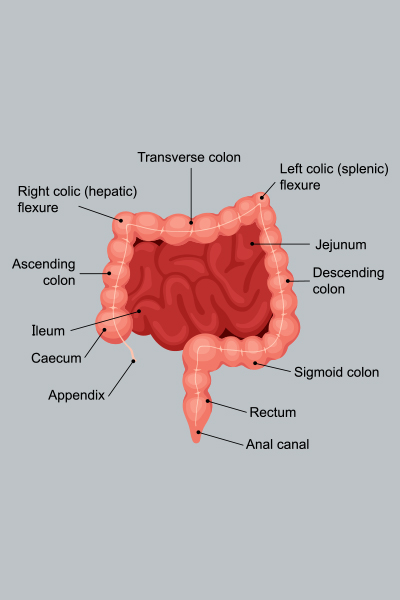
Diagram illustrating the anatomy of a human small and large intestine

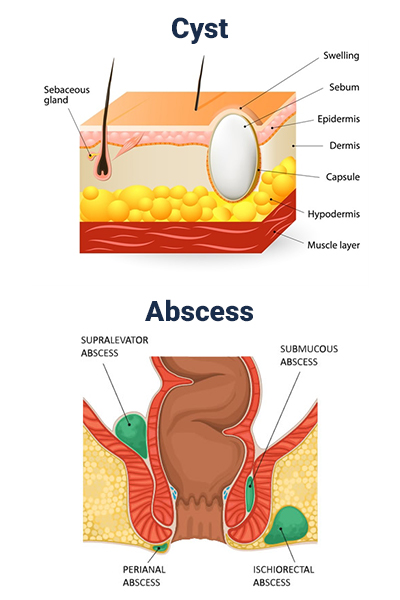
Beyond colorectal conditions, other conditions such as gallstones, hernias, and abscesses can significantly affect one’s quality of life. While some conditions are merely unsightly or cause mild discomfort, others can be potentially life threatening if unaddressed due to the risk of complications, requiring surgery to treat them.

The saying of ‘prevention is better than cure’ certainly applies to various colorectal and health conditions. Compared to other types of cancer, colorectal cancer has a much higher rate of recovery if detected and treated early, with up to 90% of cases being fully cured if discovered in time. This highlights the importance of visiting a professional colorectal surgeon in Singapore to arrange for regular screening and treatment if necessary. 

With over 10000 successful procedures, Dr Leong is an experienced endoscopist and surgeon who specialises in Single Incision Laparoscopic (keyhole) Surgery, as well as minimally invasive General Surgery. He also provides same day colonoscopy services at his Singapore-based clinic, in addition to treating a variety of colorectal conditions, making it a smooth and comfortable affair when seeking treatment or screening tests.

Read on to learn more about various colorectal and general conditions, their symptoms and risk factors, as well as the available treatment methods.

Part 2: Key Colorectal Conditions

In this section, we will cover a few major colorectal conditions, such as colorectal cancer, piles, and diverticular disease.

2.1 Colorectal Cancer

Colorectal cancer refers to cancer that occurs in the colon (large intestine) or rectum area. It usually starts from benign polyps, which are fleshy clumps of tissue that form on the inner lining of the colon or rectum. If left untreated, these polyps can develop into malignant tumours across a duration of 5 to 10 years, spreading to nearby organs or lymph nodes. When this happens, it is known as metastasis, making colorectal cancer much harder to treat as well as being life-threatening.

Image showcasing where polyps are commonly found in the human intestine

Statistics have shown that colorectal cancer is the most common cancer in Singaporean males, while being the 2nd most common cancer in Singaporean females. Colorectal cancer tends to not exhibit any outward symptoms at the early stages. At later stages, common symptoms include a change in bowel habits such as diarrhoea or constipation; the presence of blood in your stools, as well as persistent abdominal discomfort such as cramps, flatulence, or pain. It is essential to visit a colorectal clinic in Singapore if you experience any of these symptoms.

Some risk factors of developing colorectal cancer are as follows:

  • Having a family history of colorectal cancer
  • Being over 50 years of age
  • Smoking and heavy alcohol use
  • A diet high in red and processed meats
  • Being overweight
  • An inactive lifestyle
Image of a chart of risk factors for colorectal cancer in a Singapore, emphasizing early screening importance.

One of the greatest dangers of colorectal cancer is that it usually does not present symptoms until it is at an advanced stage, which may greatly complicate treatment and significantly lower the likelihood of a complete recovery. The good news is that regular screening is highly effective at detecting colorectal cancer in Singaporeans, allowing for early and effective treatment at the initial stages. Screening comprises a variety of tests, such as fecal immunochemical tests, double-contrast barium enema, as well as colonoscopies.

A colonoscopy is a procedure where a colonoscope, which is a 1.6m flexible tube with a video camera at the end, is inserted into the rectal region to allow for visual examination of the entire colon lining. Colonoscopy clinics in Singapore are well-versed in conducting colonoscopies, with the entire procedure taking about 20 to 30 minutes from start to end. It is conducted with general anaesthesia, making it a painless affair. In addition, a colonoscopy can identify and remove benign polyps, making it both a diagnostic and therapeutic procedure. An estimated 90% of polyps can be removed during colonoscopy, preventing the need for further surgery.

Image of a doctor in Singapore performing colonosocpy on a patient to detect colorectal cancer

Prior to a colonoscopy, your doctor will inform you on what you should eat and how to empty your bowels for a smooth procedure. Dr Leong is a firm believer of Same Day Colonoscopy, where the consult, bowel preparation, colonoscopy, and results of the procedure all occur on the same day. With colonoscopies only being required approximately every 10 years, a reputable colonoscopy clinic in Singapore plays an important part in promoting screening and prevention of colorectal cancer by making the process smooth and comfortable.

Similar to other cancers, colorectal cancer is diagnosed across Stages 1 to 4. Generally, Stages 1 and 2 require surgery alone, while Stages 3 and 4 require surgery in combination with chemotherapy and/or radiotherapy/immunotherapy. Treatments vary from patient to patient, with doctors factoring in the stage of cancer when diagnosed as well as the overall health of the patient.

Contact our colorectal clinic in Singapore today to find out more about our screening and treatment procedures.

2.2 Piles

Piles, also known as haemorrhoids, are swellings containing enlarged blood vessels, and can be found either inside or around the rectum or anus. They are caused by increased pressure in the blood vessels in and around your anus, which can cause these vessels to become swollen and inflamed, resulting in discomfort and bleeding. In severe cases, it is advised to seek treatment for piles in Singapore.

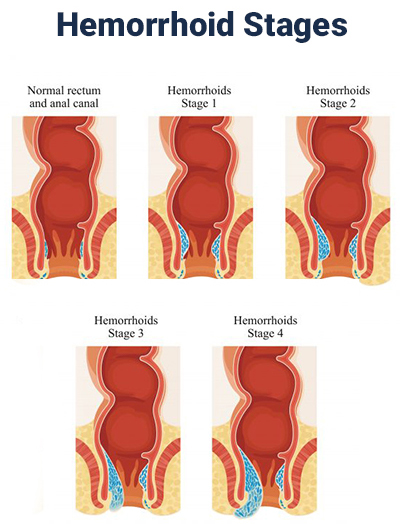
Haemorrhoids can be classified based on four degrees based on size and severity. 

  • First degree: small swellings that develop on the inside lining of the anus and remain inside
  • Second degree: larger swellings that prolapse (appear) when defecating, before spontaneously reducing (going back inside)
  • Third degree: swellings that prolapse during defecation, but require digital reduction (with a finger)
  • Fourth degree: swellings that are persistently prolapsed
Diagram illustrating the different stages of haemorrhoids

Often, most people do not realise they have haemorrhoids until they exhibit symptoms, such as:

  • Bleeding after passing a stool (with bright red blood)
  • An itchy sensation at the anus
  • A lump that hangs down outside the anus
  • Mucus discharge after passing a stool
  • Soreness, redness, or swelling around the anus

One of the main risk factors that can increase the likelihood of haemorrhoids is spending too much time seated on the toilet, causing blood vessels around the anus to be congested and enlarged. Other risk factors include having a family history of haemorrhoids, weakening of your body’s supporting tissues with age, as well as increased pressure on pelvic blood vessels as a result of pregnancy.

Generally, treatment for piles in Singapore varies based on the aforementioned degree of severity. For First and Second degree haemorrhoids, topical medication and lifestyle changes are often sufficient. Some lifestyle changes include increasing the amount of fibre in your diet via fruits and vegetables, drinking plenty of water, avoiding constipation medicine, and exercising regularly to reduce both weight and blood pressure.

One non-surgical procedure is rubber band ligation, where a tight elastic band is wound around the base of the haemorrhoid, cutting off its blood supply and letting it fall off naturally after a week. Other non-surgical procedures include injecting a chemical solution into haemorrhoid tissue to shrink it, or using coagulation techniques involving infrared light or heat to harden and shrivel haemorrhoids.

For Third and Fourth degree haemorrhoids, your doctor will likely recommend you to undergo surgery. Before undergoing surgery treatment for piles in Singapore, your surgeon will inform you of the risks that may occur after haemorrhoid surgery, ranging from bleeding, infection, urinary retention, faecal incontinence, and stenosis. Two options include undergoing a haemorrhoidectomy or a stapler haemorrhoidopexy.

A haemorrhoidectomy is the most effective and complete way of treating severe or recurring haemorrhoids, where small cuts are made around the anus to slice them away. It is conducted with either general or local anesthesia to reduce the pain, and takes a couple of weeks for recovery. A stapled haemorrhoidopexy is used to treat prolapsed haemorrhoids and is also carried out under anaesthesia, which uses stapling to block blood flow to haemorrhoidal tissue and causing them to shrivel up.

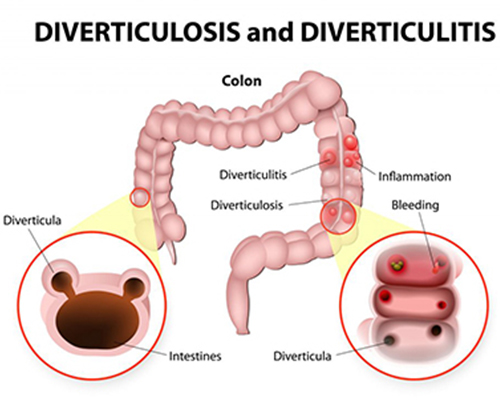
2.3 Diverticular Disease & Diverticulitis

Diverticular disease stems from diverticula, which are small bulges or weakness that develop in the lining of the colon as Singaporeans age. They are formed by increased pressure on weakened spots along the intestinal walls, such as experiencing straining during constipated bowel movement. Generally, diverticula are discovered during a routine colonoscopy or CT scan, or if patients are exhibiting symptoms of discomfort.

There are three varying diagnoses related to diverticula. If diverticula are present but exhibiting no symptoms, it is known as diverticulosis. Diverticulosis is very common and affects approximately 50% of people over 60 years of age, but generally results in no negative symptoms. Diverticular disease occurs when symptoms are exhibited, and diverticulitis is when infection or inflammation occurs as a result of diverticula tearing. 

diverticular and diverticulitis

Some symptoms of diverticular disease in Singaporeans include abdominal pain that is aggravated by eating and relieved by bowel movement or flatulence, constipation or diarrhoea, as well as occasional blood in stools. With diverticulitis, additional symptoms include constant and more severe abdominal pain, along with the onset of a fever.

Here are some of the risk factors that can increase the risk of diverticulitis:

  • Aging
  • Obesity
  • Smoking
  • Lack of exercise
  • A low-fibre and high fat diet
  • Certain medications

If left untreated, diverticulitis can result in complications such as abscesses, stenosis, fistulas, and peritonitis. Peritonitis in particular is a medical emergency due to the rupturing of the infected diverticula and spilling intestinal contents into your abdominal cavity. Treatment for Singaporeans experiencing diverticular disease and diverticulitis depends on the severity of complications. 

For mild cases, a high fibre diet with painkillers and antibiotics may be sufficient, as well as adopting lifestyle changes such as a healthier diet and increased exercise. Severe cases usually require a colectomy, which is the removal of the affected section of your large intestine and helps treat fistulas, peritonitis, and stenosis. To facilitate surgery, most surgeons utilise a technique known as percutaneous drainage to first deal with abscesses. A needle or catheter is inserted through the skin into the abscess to drain the infected fluid, facilitating an easier surgery process for diverticulitis.

Part 3: General Health & Surgery

Beyond colorectal conditions, there are other conditions that can affect one’s quality of life. Learn more about their symptoms and risk factors, as well as how surgery is effective in treating them.

3.1 Gallstones & Gallbladder Surgery

Gallstones, also known as gallbladder stones, are hardened deposits that form in your gallbladder. Bile is a liquid produced by your liver to help digest fats, and is passed into the gallbladder via bile ducts. Doctors suggest that high levels of cholesterol and bilirubin in your bile contribute to the formation of gallstones. Gallstone surgery is often required for Singaporeans who exhibit severe symptoms that impact their quality of life.

Detailed anatomical model of the gastrointestinal tract, with emphasis on where gallstones forms

Some risk factors for developing gallstones include:

  • Being over 40 years of age
  • Being female
  • Having a family history of gallstones
  • Eating a high fat/cholesterol diet
  • Being overweight
  • Lack of exercise

Gallstones are a common occurrence, affecting an estimated 1 in every 10 adults. Generally, gallstones do not exhibit symptoms unless they become trapped in an opening inside your gallbladder. In such scenarios, blocked gallstones can cause a sudden and intense abdominal pain known as biliary colic. Left untreated, gallstones can lead to other complications such as jaundice (yellow skin), cholecystitis (inflamed gallbladder), and pancreatitis as a result of a blocked pancreatic duct, which can be life-threatening. 

Gallstone surgery in Singapore is often required if complications to one’s health arise. A surgeon will conduct a laparoscopic cholecystectomy, also known as keyhole surgery, for symptomatic cases. A surgeon will make 4 small incisions in your abdomen, before a laparoscope is inserted to help identify and remove the gallstones. Imaging tests may be utilised as well to identify other related problems in your bile duct. As an established medical procedure that takes approximately 1 to 2 hours, keyhole surgery is usually a smooth affair for patients.

Dr Leong specialises in conducting Single Incision Laparoscopic Surgery (SILS). SILS confers a number of advantages over traditional keyhole surgery, such as significantly reduced pain and lowered risk of infection due to only requiring a single incision, helping to expedite patients’ recovery. It also provides a more cosmetic option by leaving no scar, due to the insertion of instruments through the navel region.

Image of a single-incision laparoscopic surgery in a Singapore clinic, highlighting advanced minimally invasive techniques.

Prior to a surgery, your doctor will inform you on preparations you need to take, such as avoiding food and drink the night before surgery as well as stopping certain medications and supplements to minimise bleeding. Contact our colorectal clinic in Singapore today to learn more about SILS and how we treat gallstones.

3.2 Hernias

A hernia occurs when an internal organ or body part protrudes through the wall of muscle or tissue that normally contains it. It usually shows up as a lump that may go away when it is pressed or when you lie down. They can cause pain when coughing, bending over, or lifting heavy objects, and treating hernias requires professional help from surgeons in Singapore. 

Hernias arise as a result of muscle weakness and strain, and can either develop quickly or over a long duration of time. Some risk factors include being overweight, doing strenuous exercise, undergoing a pregnancy, experiencing chronic coughing or constipation, as well as ageing.

Here are some of the most common types of hernia:

  • Inguinal hernias occur when fatty tissue or a part of the intestine protrudes into the groin at the top of the inner thigh. It mainly affects men, and is associated with ageing and repeated strain on the tummy. Inguinal hernias can be further classified into direct and indirect inguinal hernias, with the latter having a higher risk of bowel complications
  • Femoral hernias also occur when fatty tissue or part of the intestine protrudes into the groin at the top of the inner thigh. They occur less frequently and tend to affect older women. They carry a high risk of bowel complications and should be addressed with surgery.
  • Umbilical hernias occur when fatty tissue or part of the intestine protrudes through the abdomen near your belly button. It can occur due to previous incisions such as keyhole surgery, or due to obesity. They are common in newborns and infants, and can also affect adults as well.

Image of various types of hernias, used in a Singapore clinic to educate patients on hernia identification and treatment options.

In particular, complications of inguinal and femoral hernias can result in obstruction and strangulation. Obstruction occurs when part of the intestine becomes stuck in the inguinal canal, causing stomach pain and vomiting. Strangulation occurs when part of the intestine becomes trapped and cuts off blood supply, necessitating emergency surgery to prevent tissue death.

Similar to treating gallstones, hernia surgeons in Singapore can either utilise open or laparoscopic (keyhole) surgery to treat hernias. Open hernia surgeries involve an incision into the groin, before the surgeon pushes the hernia back into the abdomen before strengthening the abdominal wall with stitches or synthetic mesh. Keyhole surgeries utilise a laparoscope to allow for a smaller incision, promoting faster recovery and less pain but require the expertise of a trained surgeon.

3.3 Cyst & Abscess Removal

Cysts and abscesses occur throughout the body and are a common occurrence that affect numerous Singaporeans. In certain circumstances, surgical removal is highly recommended to improve one’s quality of life and prevent further infection and inflammation.

Image of medical illustration showing the differences between cysts and abscesses, used for patient education in a Singapore clinic.

A cyst is a sac that is filled with fluid, air, or other material, and is generally harmless. A sebaceous cyst is a lump under the skin filled with sebum, which is an oily and waxy protective substance produced by your sebaceous glands. They may become infected due to bacteria growth, leading to enlargement and pain which may require surgery to treat if antibiotics and anti-inflammatory drugs fail to improve its condition.

An abscess is a collection of pus that has built up within the tissue. A perianal abscess is one of the most common types of abscesses, appearing as a painful swelling near the anus. Left untreated, anal abscesses can result in a complication known as an anal fistula, which is a small tunnel that forms between the abscess and an opening on the skin around the anus. It allows faeces to collect, resulting in chronic infection with pus and discharge.

Cyst formation is caused by a variety of reasons, ranging from genetic conditions to cell defects, chronic inflammatory conditions, blocking of ducts which cause fluid buildup, or injuries. Some factors that can increase the likelihood of abscess formation are a weakened immune system, as well as having other conditions such as diabetes, Crohn’s disease, or being overweight.

One of the main techniques utilised for cyst and abscess removal in Singapore is drainage. A small incision is made to insert a needle, facilitating the drainage of liquid (for cysts) or pus (for abscesses) before the wound is packed with gauze. It is a simple procedure that allows for local anaesthesia, as well as a speedy recovery.

There are multiple surgery procedures to treat anal fistulas, depending on the nature of the fistula, as well as aiming to avoid damage to the sphincter muscles that can lead to bowel incontinence. A fistulotomy is the most common and effective treatment for anal fistulas, cutting open the whole length of the fistula to allow it to heal into a flat scar. For more complex fistulas, other surgery procedures include inserting a seton, an advanced flap procedure, as well as a LIFT procedure.

Part 4: Conclusion

With the numerous conditions that can affect one’s colorectal health, it is important to learn about their symptoms and risk factors, allowing you to recognise them and promptly visit your doctor for effective treatment. In addition, undergoing regular colorectal cancer screening in Singapore is essential in avoiding an easily preventable condition, giving you the peace of mind to enjoy life with your loved ones.

Contact our colorectal clinic in Singapore today and take the first step into a better and healthier tomorrow.