Table of Contents
ToggleKey Takeaways
- Most patients have their first bowel movement within one to three days after a colonoscopy, and their usual pattern generally returns within a few days to a week.
- The delay is expected. Bowel preparation empties the colon, sedation slows the gut for a short while, and you eat less in the lead-up to the procedure.
- Several experiences are common in the first few days, including reduced bowel movements, loose stools, mild constipation, bloating, light bleeding, and cramping.
- A small amount of blood with the first bowel movement can be normal, particularly if a biopsy or polyp removal was carried out.
- Some signs warrant prompt medical attention, including no bowel movement after three days, heavy or continuous bleeding, severe abdominal pain, fever, or black stools.
Most patients have their first bowel movement within one to three days of a colonoscopy, and their usual pattern generally returns within a few days to a week. However, the exact timing varies from person to person.
A colonoscopy is a diagnostic procedure used to examine the large intestine, or colon, using a flexible tube fitted with a small camera. It supports the early detection of colorectal cancer and the investigation of symptoms such as bleeding or a change in bowel habits. It is an important part of preventive care, and it is natural to have questions about what happens afterwards, particularly any change in bowel movements.
This article explains the common bowel experiences after a colonoscopy, when a symptom is worth a call to your doctor, and how to support a smoother recovery.
Why Your Bowel Movements Change After A Colonoscopy
A change in bowel habits after a colonoscopy is expected, and it usually comes down to three things working together.
First, the bowel preparation you take beforehand clears the colon completely, allowing the lining to be seen clearly. With little left inside, there is simply less to pass for a day or two.
Second, if sedation was used, it can slow the gut’s natural movement for a short period while it wears off. This temporary slowing is normal and settles on its own.
Third, you eat little in the hours before the procedure, often on a clear-liquid diet. With reduced food intake, your body needs time to process meals and form stool again. As you return to eating and drinking normally, regular bowel movements generally follow.
Bowel Movement Timeline After Colonoscopy: Day By Day
Recovery follows a broad pattern, though individual timing varies. The table below offers a general guide.
|
Time after the procedure |
What you might notice |
|---|---|
|
Day 0 (procedure day) |
Drowsiness from sedation, along with bloating and trapped wind. A bowel movement is uncommon on this day. |
|
Day 1 |
Bloating and gas ease as you move around. Some patients pass a first, often soft, bowel movement. |
|
Day 2 to 3 |
Most patients have their first bowel movement by now as eating resumes. Stools may be loose at first. |
|
Day 4 to 7 |
Bowel habits usually return to their normal pattern and consistency. |
|
Beyond Day 7 |
If you still have no bowel movement, ongoing diarrhoea, or other concerns, it is worth contacting your doctor. |
Common Bowel Movement Experiences After Colonoscopy
During a colonoscopy, the colon is cleansed thoroughly so the walls can be seen clearly, which removes the stool already inside. Combined with sedation and reduced food intake beforehand, this means it can take a little time for your body to process food and produce waste again. The section below covers seven experiences that are common in the days that follow.
1. Decrease Or Absence Of Bowel Movements
In the first few days after a colonoscopy, it’s common to have trouble with bowel movements. The decrease or absence of bowel movement occurs because the bowel is completely emptied before the procedure to allow a clear view of the colon. This lasts usually a few days as things return to normal. Drinking plenty of fluids and gentle walking can help encourage movement. However, if you have had no bowel movement by the third day, it is worth contacting your doctor.
2. Loose Stools Or Diarrhoea
Loose or watery stools are also common early on, often because some of the bowel preparation fluid remains in the system. Stools may look paler or more yellow than usual for a short while, which generally settles as your diet returns to normal. Staying well hydrated with water, clear broths, and herbal teas helps. If diarrhoea is severe, contains a lot of blood, or continues beyond a few days, speak with your doctor.
3. Constipation After Colonoscopy
Some patients experience the opposite and find bowel movements slow to return. This can follow from reduced food intake, the effects of sedation, and not drinking enough afterwards. Returning to a normal diet with adequate fibre, keeping fluids up, and light activity usually helps. If constipation persists, a stool softener may be considered, though it is best to check with your doctor before taking one.
4. Mild Discomfort In The Rectal Area
After a colonoscopy, most people experience mild discomfort or sensitivity in the rectal area. This is usually due to the passage of the colonoscope and generally resolves within a day. It may be a little more noticeable if a biopsy (a small tissue sample) was taken or a polyp (a small growth on the bowel lining) was removed. Sitting in a warm bath and avoiding straining during bowel movements can help alleviate discomfort.
5. Abdominal Bloating And Gas
Air is introduced into the colon during a colonoscopy to expand it and provide better visibility. That’s why patients experience temporary abdominal bloating and gas after the procedure. Walking and moving around can help in expelling this gas and reduce bloating.
6. Slight Bleeding
A small amount of bleeding, especially with the first bowel movement after the procedure, is not uncommon. It also usually happens if a biopsy is taken or a polyp is removed. However, if the bleeding persists, is heavy, or you are passing clots, you must contact your doctor.
7. Cramping Or Discomfort
Some cramping or discomfort in the abdomen is possible after a colonoscopy. This is typically due to the air introduced into the colon, which usually subsides within a few hours. You may take pain relievers or use a heating pad, which can provide relief if needed.
When To Seek Medical Attention Post-Colonoscopy
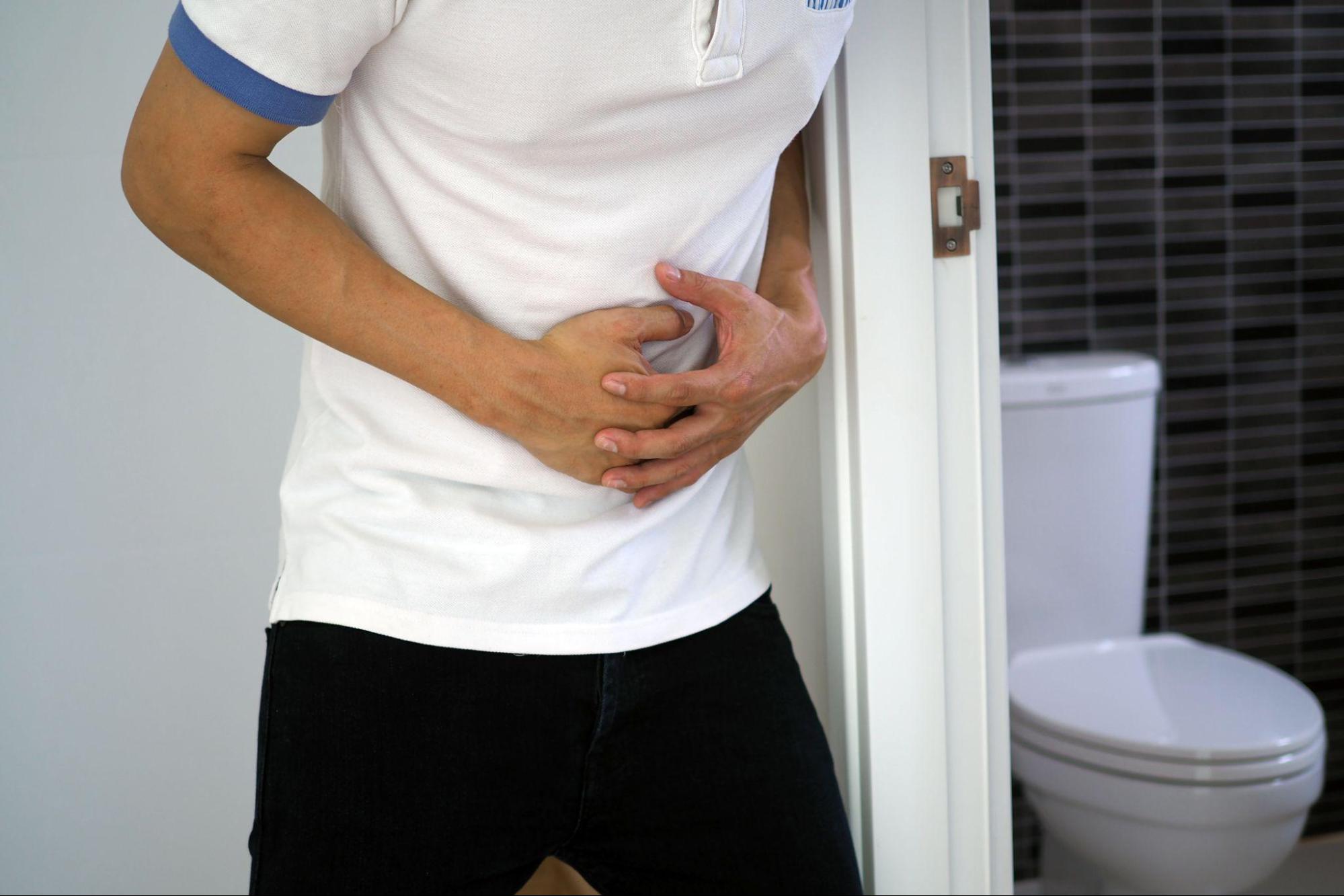
After a colonoscopy, it’s normal for bowel movements to vary from your usual pattern temporarily. However, certain signs should prompt concern and a call to your healthcare provider. Be vigilant for the following symptoms:
|
Symptom |
Why it matters |
|---|---|
|
No bowel movement after three days |
May point to constipation or, less commonly, a bowel obstruction, and should be reviewed. |
|
Inability to pass gas for more than 24 hours |
Can suggest the bowel is not moving as it should and warrants assessment. |
|
Severe or persistent abdominal pain |
Mild cramping is normal, but severe pain may indicate complications such as perforation (a tear in the bowel wall) or inflammation. |
|
Heavy or continuous bleeding |
A little blood can be normal after polyp removal, but heavy or non-stop bleeding is not. |
|
Black, tarry stools |
May indicate bleeding higher in the digestive tract and needs prompt attention. |
|
Fever and chills |
Can be a sign of infection, particularly alongside abdominal pain. |
|
Persistent vomiting |
Should be reported, especially when it comes with pain or fever. |
|
Pale or clay-coloured stools |
May reflect a problem with bile flow and should be evaluated. |
|
Unusual fatigue or dizziness |
Can occasionally signal internal bleeding or another complication. |
Tips For A Smooth Recovery After A Colonoscopy Procedure
Recovery time after a colonoscopy is typically not long. Most people can return to their normal activities within 24 hours. The sedative used during the procedure might cause drowsiness, so rest is advised for the remainder of the day.
Here are some tips to help you through the process:
- Begin with Light Foods: What to eat post-procedure? Start with easily digestible foods like soups, yoghurts, or applesauce. Gradually reintroduce solid foods as your digestive system recovers.
- Hydrate Frequently: Rehydrate your body by drinking ample fluids, particularly water, herbal teas, and clear broths.
- Rest Adequately: Allow your body to recover from the sedative effects. Rest as needed and avoid physically demanding activities for at least a day.
- Walk to Reduce Bloating: Engage in gentle walking to help release trapped gas in your intestines, reducing bloating and discomfort.
- Monitor Bowel Activity: Be alert to the resumption of bowel movements. If you experience an extended absence of bowel movements or observe abnormal symptoms like heavy bleeding or severe pain, contact your healthcare provider.
- Adhere to Medication Guidelines: Follow any specific instructions regarding medication, particularly if modifications were suggested pre-procedure. Take note of the medications to avoid before a colonoscopy, such as Non-Steroidal Anti-Inflammatory Drugs.
- Avoid Alcohol Intake: Refrain from consuming alcohol for at least 24 hours post-procedure, especially if you were sedated.
- Seek Medical Advice for Unusual Symptoms: Immediately seek medical attention if you encounter severe pain, significant bleeding, fever, or signs of infection.
- Postpone Rigorous Activities: Plan to resume your regular activities gradually. Take additional rest if you experience fatigue or dizziness.
- Ask for Assistance When Needed: Don’t hesitate to seek help from family or friends for activities that require alertness, such as driving.
- Restore Gut Bacteria: Eating yoghurt or other foods with live cultures may help your gut flora settle, though this is optional rather than essential.
- Follow Your Surgeon’s Specific Instructions: Your own discharge advice is tailored to your procedure and takes priority over any general guidance.
Colonoscopy Recovery In Singapore: What To Know
In Singapore, a colonoscopy is generally performed as a day procedure, which means most patients are discharged the same day once the effects of sedation have worn off. Because sedation can affect alertness, you will need someone to accompany you home and should avoid driving for the rest of the day.
Colorectal cancer screening is generally recommended for average-risk adults from around age 50, and earlier for those with symptoms or a family history of colorectal conditions. Screening supports early detection, when more treatment options tend to be available.
On cost, a colonoscopy performed as a day procedure may be eligible for MediSave use, and many insurance and Shield plans may apply, subject to your policy terms. The final cost depends on factors such as whether a biopsy or polyp removal is needed and the setting of the procedure. Your care team can review these details with you beforehand.
Conclusion About How Long It Takes For Bowel Movement To Return To Normal After Colonoscopy
Typically, bowel movements should return to normal within a few days after a colonoscopy. This time frame can vary from person to person, depending on individual health factors and how your body responds to the procedure.
In Singapore, colonoscopy is recommended as a key screening procedure for certain age groups, particularly for those over 50 or those with a family history of colorectal conditions. This screening is vital for early detection and prevention of colorectal cancer.
If you have questions about your recovery or you are due for screening, speaking with a colorectal specialist is a sensible next step. You are welcome to arrange a consultation with Advanced Colorectal and General Surgery.
Frequently Asked Questions About The Bowel Movement After Colonoscopy
Can I Take Laxatives Or Stool Softeners After A Colonoscopy?
Yes. You can take laxatives or stool softeners after a colonoscopy if you’re experiencing constipation or difficulty with bowel movements. However, you should follow the specific advice of your doctor regarding the use of laxatives or stool softeners.
Is It Normal To Feel Tired After A Colonoscopy?
Yes. Feeling tired or drowsy is common, especially if sedatives are used. It’s advisable to rest for the remainder of the day.
Can Haemorrhoids Be Affected By A Colonoscopy?
If you have existing haemorrhoids, you may be irritated by the procedure. Discuss with your doctor for appropriate care.
Can I Resume Taking My Regular Medications Immediately After The Procedure?
Consult with your healthcare provider about when to resume regular medications, especially if they were stopped before the colonoscopy.
How long after a colonoscopy should I expect my first bowel movement?
For most patients, the first bowel movement happens within one to three days, once eating resumes and the digestive system catches up.
Is loose or watery stool normal after a colonoscopy?
Yes, in the first day or two. It often reflects leftover bowel preparation fluid and usually settles as your diet returns to normal.
Why is my stool a different colour after a colonoscopy?
Stools can appear paler or more yellow for a short while, largely because of the bowel preparation and a lighter diet. This generally normalises within a few days. Black or clay-coloured stools are different and should be assessed.
Why am I constipated after my colonoscopy?
Reduced food intake, the effects of sedation, and not drinking enough can all slow things down. Fluids, fibre, and light activity usually help, and a stool softener may be considered after checking with your doctor.
Is it normal to see blood in stool after a colonoscopy?
A small amount, especially with the first bowel movement after a biopsy or polyp removal, can be normal. Heavy or continuous bleeding is not, and should prompt a call to your doctor.
When should I worry about no bowel movement after a colonoscopy?
If you have had no bowel movement after three days, or you cannot pass gas for more than 24 hours, contact your doctor for advice.
How can I speed up bowel recovery after a colonoscopy?
Drink plenty of fluids, return to a balanced diet with adequate fibre, and take gentle walks to help the gut get moving again.
Can I take probiotics after a colonoscopy?
Probiotics, or foods with live cultures, may help your gut bacteria settle, though they are not essential. Check with your doctor if you are unsure.